Credit Card Skimming Explained: How It Works and How to Protect Yourself
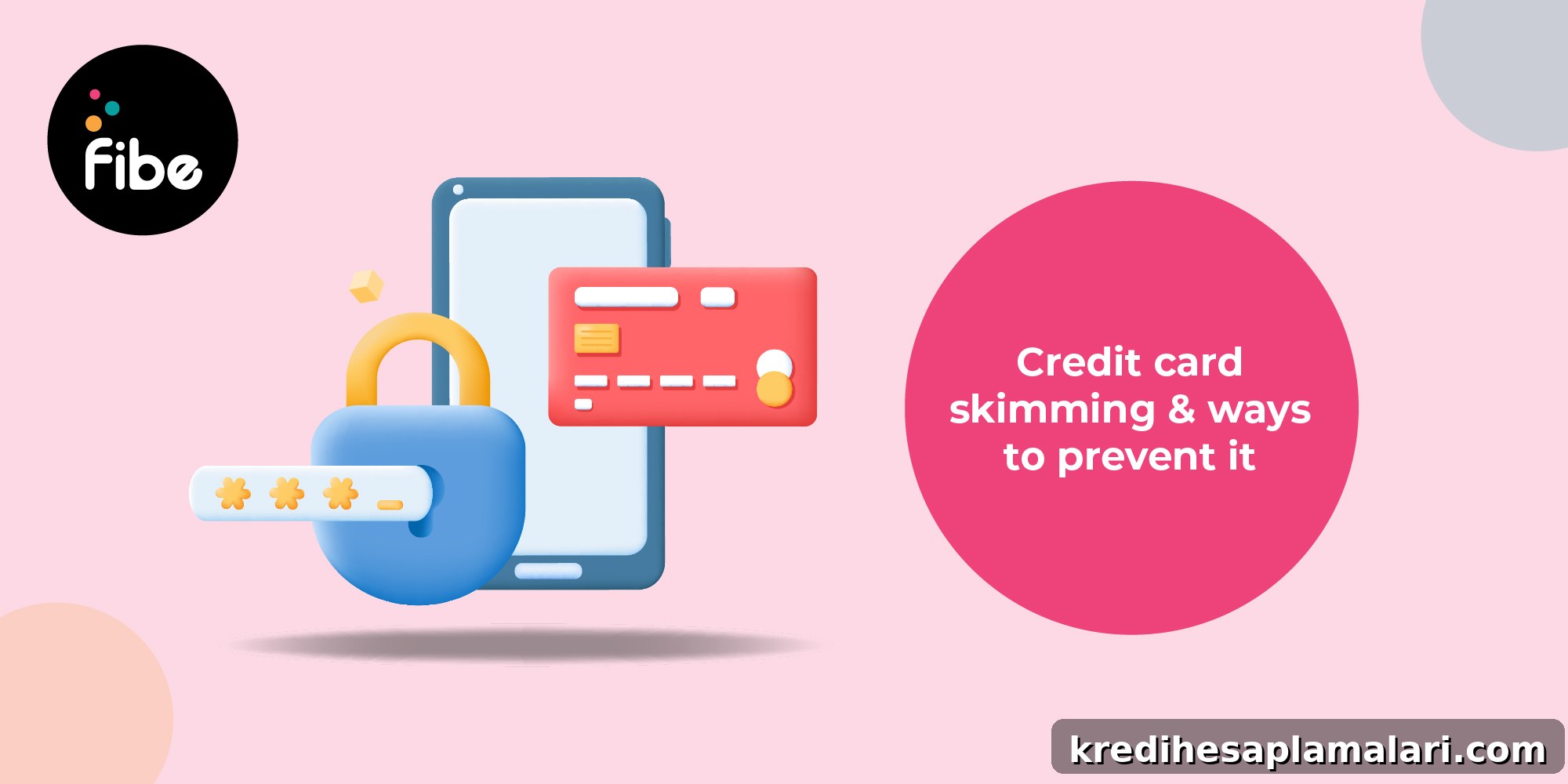
Credit card skimming is an increasing threat in today’s digital environment. Criminals use a small physical device called a skimmer to capture information stored on your card’s magnetic stripe or to record PIN entries, then use that data to commit fraudulent transactions and cause financial loss.
Below we explain how skimming works, where it commonly occurs, what the consequences can be, and practical steps you can take to reduce your risk.
What is a Card Skimmer?
A card skimmer is a compact device fraudsters attach to an ATM card slot or a merchant’s payment terminal (PoS) to read and store the data encoded on the magnetic stripe of your card. Information a skimmer can capture includes:
- Cardholder name
- Credit card number
- CVV (when combined with other exploits)
- Expiry date
Armed with these details, criminals can clone cards, make unauthorised purchases online or in stores, and commit identity-related fraud that harms your finances and credit.
Common Ways Skimming Scams Operate
Skimming devices are designed to blend in with real equipment, but they are frequently used in a few predictable settings. Being aware of these locations makes it easier to remain vigilant.
Fuel Stations
At fuel station payment counters, skimmers are often fitted to POS terminals. Fraud rings may use terminals at busy forecourts to capture large volumes of card data and later create counterfeit cards.
ATMs
Criminals commonly attach skimmers over ATM card slots to capture card data when you insert your card. They may also install tiny hidden cameras or fake keypads to record your PIN; while camera capture is technically a separate tactic, it is frequently used alongside skimming.
Retail Outlets and Restaurants
Skimmers can be placed on card readers at shops and restaurants. Sometimes members of a skimming ring obtain employment at these businesses to access terminals and install devices or harvest card information directly.
Shoulder Surfing
“Shoulder surfing” is a low-tech method where a fraudster watches you enter your PIN while pretending to wait in line. Combined with stolen card data, this lets criminals use your account fraudulently.
Consequences of Falling Victim to Skimming
If unauthorized charges appear on your card statement, you may have been targeted by skimming. Typical outcomes of card skimming include:
Identity Fraud
Captured personal and card details can be used to open new accounts, take out loans, or commit other forms of identity theft in your name.
Card Replication
Fraudsters can encode stolen magnetic-stripe data onto blank cards, creating counterfeit cards that are used for in-person transactions.
Unauthorised Purchases
Stolen card information may be used immediately for online purchases or shared with others who use the data for in-store transactions.
How to Spot and Prevent Credit Card Skimming
Although skimming devices are designed to be discreet, many stick out slightly or make a panel feel loose. If a card slot or terminal looks altered or feels wobbly, do not use it and report it to the operator or bank.
Other effective prevention steps include:
Use a Chip Card
EMV chip cards provide stronger security than magnetic-stripe-only cards. If your card still relies on a magnetic stripe, request a chip-enabled replacement from your issuer.
Use Contactless Payment
Tap-to-pay (contactless) transactions remove the need to insert your card into a terminal, reducing exposure to physical skimmers. Where possible, use contactless payment options on terminals you do not trust.
Are Contactless Cards Vulnerable?
Contactless cards are generally more resistant to traditional skimming because they use encryption and dynamic data. However, criminals continually adapt and may attempt sophisticated interception attacks that target the wireless communication between card and terminal. Payment networks and card issuers monitor these threats and update security measures to reduce risk.
Choosing a reputable card issuer and card product with modern security features—such as numberless cards or robust tokenization—can further lower the chance of misuse.
Practical Tips to Lower Your Risk
- Inspect card readers and ATM slots for loose or unusual parts before inserting your card.
- Shield the keypad with your hand while entering your PIN and be aware of people loitering nearby.
- Prefer chip or contactless transactions over swiping the magnetic stripe.
- Monitor your account and card statements frequently for unfamiliar charges and report them immediately to your bank.
- Set up transaction alerts from your issuer so you receive near-real-time notifications of card activity.
FAQs on Credit Card Skimming
How can you prevent credit card skimming?
Reduce risk by using chip and contactless payment options, checking ATMs and PoS machines for tampering, monitoring statements, enabling alerts, and contacting your issuer immediately if you notice suspicious activity.
What is credit card skimming?
Credit card skimming is a theft technique where a device reads and stores card data from the magnetic stripe or records PINs, enabling fraudsters to commit identity theft, clone cards, or make unauthorized purchases.
What to do if your card is skimmed?
If you suspect skimming, block your card right away, report the incident to your card issuer and bank, review recent transactions, and follow the issuer’s guidance to dispute fraudulent charges and obtain a replacement card.
Do credit card chips prevent skimming?
EMV chip technology significantly reduces the effectiveness of traditional skimming and cloning methods because it creates unique transaction data for each purchase, but no solution is completely foolproof—continued vigilance is still important.
Can skimmers read tap-to-pay?
Tap-to-pay does not require inserting or swiping your card, so it avoids most physical skimming devices. Nonetheless, advanced attackers may attempt to intercept contactless communications, making it important to use modern cards and follow issuer security recommendations.