Retail Banking vs Corporate Banking: Which Career Fits You Better
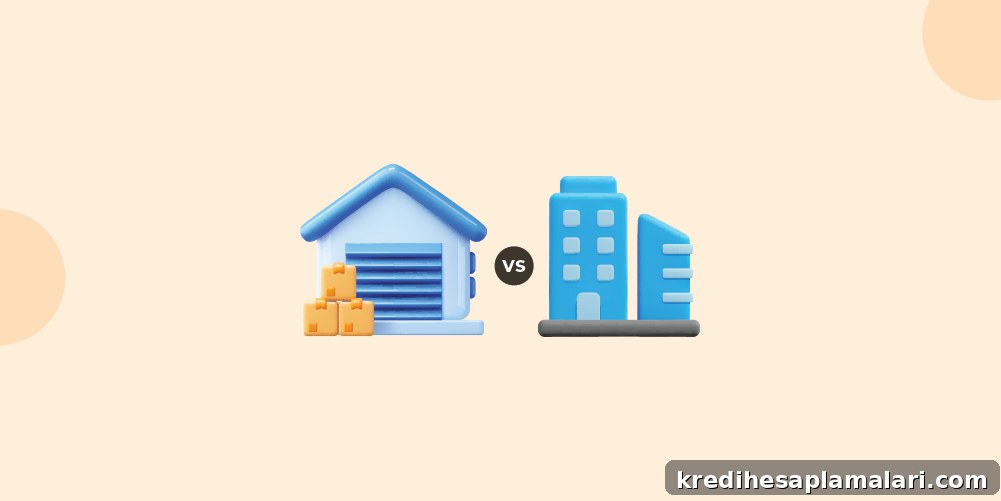
Choosing the right type of banking often comes down to whether you need services tailored for individuals or solutions built for businesses. Retail banking serves the financial needs of everyday customers with products like savings accounts, personal loans and credit cards. Corporate banking, by contrast, focuses on companies and provides services such as business loans, cash-management, trade finance and bespoke investment solutions.
Understanding the differences helps you pick the best option—whether you are managing household finances or steering a company. Read on for a clear comparison of retail banking and corporate banking.
Retail Banking Meaning
Retail banking refers to consumer-focused banking services used in daily life. It includes accounts and products designed for individuals—savings and current accounts, personal loans, credit cards and fixed deposits. Activities like withdrawing cash from an ATM, transferring funds online or applying for a home loan all fall under retail banking.
The primary goal of retail banking is to make financial services accessible and convenient for individuals. Modern retail banks emphasize user-friendly mobile and internet banking so customers can manage money, pay bills and track transactions anytime.
Common retail banking services include:
- Savings and Current Accounts – Basic accounts for depositing, withdrawing and managing day-to-day funds.
- Loans and Credit Cards – Personal loans for life events or emergencies and credit cards for everyday spending.
- Fixed Deposits (FDs) & Recurring Deposits (RDs) – Savings products that offer interest and help grow funds over time.
- Mobile and Internet Banking – Digital tools for transfers, bill payments and balance checks.
- Insurance & Investment Services – Some retail banks provide life insurance, mutual funds and other investment products to help customers plan for the future.
Corporate Banking Meaning
Corporate banking serves business clients, from small enterprises to large corporations, offering financial solutions that support operations, growth and large-scale projects. Services typically include working capital loans, commercial real estate financing, cash-management systems, trade finance and tailored investment options.
Corporate banking focuses on high-value transactions and complex financial needs. Relationship managers and specialized teams commonly work with corporate clients to design customized financing packages, manage liquidity for large transactions and support international trade.
Difference Between Retail and Corporate Banking
Below is a concise comparison of the main differences between retail banking and corporate banking:
| Feature | Retail Banking | Corporate Banking |
|---|---|---|
| Who it’s for | Individuals and salaried professionals | Businesses, firms and large corporations |
| Main Services | Savings and current accounts, personal loans, credit cards | Business loans, cash management, trade finance, treasury services |
| Loan Types | Home loans, car loans, personal loans | Working capital loans, commercial real estate loans, project finance |
| Account Management | Managed by individual customers | Handled by finance teams or dedicated relationship managers |
| Transaction Volume | Lower-value, frequent transactions | High-value and bulk transactions |
| Risk Level | Generally lower risk due to smaller loan sizes | Higher risk because of larger funding requirements and complex exposures |
| Interest Rates | Standardized rates for retail products | Custom rates negotiated based on company size and creditworthiness |
| Banking Relationship | Standardized, product-driven relationships | Personalized services with dedicated relationship managers |
Conclusion
Retail and corporate banking address different financial needs: retail banking simplifies everyday finance for individuals, while corporate banking delivers specialized solutions for businesses. Choosing between them depends on whether you need consumer-oriented services or tailored corporate financing and cash-management tools.
If you need quick personal finance solutions, many providers now offer instant cash options with flexible repayment plans and digital access. Evaluate the product features, fees and support structure before selecting the best banking relationship for your needs.
FAQs on Retail Banking vs Corporate Banking
1. Are interest rates on loans different in corporate and retail banking?
Yes. Corporate loan rates are often negotiated and can be lower for large, creditworthy businesses. Retail loan rates tend to be standardized and may be higher to reflect individual borrower risk and administrative costs.
2. Are retail banking fees lower than corporate banking fees?
Generally yes. Retail banking fees are typically lower because transactions are smaller and standardized. Corporate banking involves more complex services and higher-value transactions, which can carry greater fees and customized pricing.
3. Are retail banking accounts more secure than corporate accounts?
Both retail and corporate accounts are protected by regulatory frameworks and security measures. The difference lies in transaction complexity and scale: corporate accounts often involve larger and more complex transactions, which can introduce additional operational and credit risks that banks manage through bespoke controls and oversight.