Cyber Fraud and Bank Statements: What You Must Know to Protect Yourself
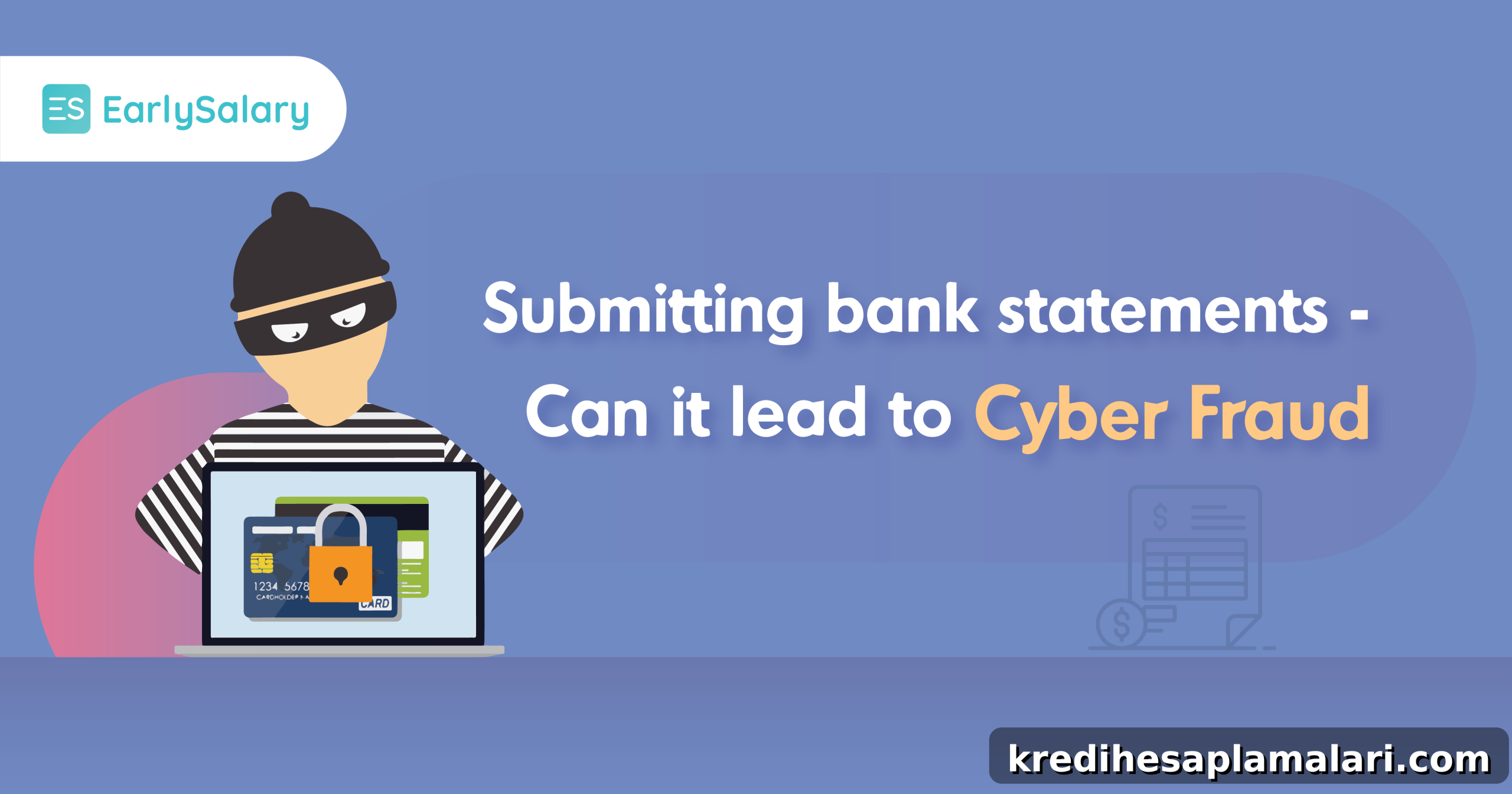
Sharing your bank statement for loans, KYC or income verification is common practice today. Lenders use these documents to confirm your identity and evaluate your eligibility. When you share statements with verified and regulated institutions, it is generally safe. However, rising cyber fraud means you should remain cautious. The risk increases when documents are shared with unverified or suspicious platforms.
Below is a clear guide to how bank statement fraud can occur, warning signs to watch for, and practical steps to protect your financial information.
How Cyber Fraud Can Happen from Shared Bank Statements?
Fraud is not always the result of someone directly hacking your account. Even basic information from a bank statement can be misused if it falls into the wrong hands. Common ways this can happen include:
- Phishing attempts: Scammers use details from your statement to craft realistic emails or messages that try to trick you into revealing OTPs or login credentials.
- Identity misuse: Names, addresses and masked account numbers can help fraudsters impersonate you and attempt unauthorized actions.
- Social engineering: Observing your spending patterns allows fraudsters to build believable stories that coax additional sensitive data from you.
- Loan misuse: If statements are uploaded to unverified apps or platforms, they can be used to apply for loans in your name.
- Fake customer service calls: Knowing your bank details enables scammers to pose as bank staff and request sensitive information like PINs or OTPs.
Red Flags: When Sharing Bank Statements Becomes Risky
Watch for these warning signs before sharing your bank statement. If any apply, do not proceed.
- The company requests only your account number and IFSC code without a formal process
- There is pressure to send documents via WhatsApp or personal email
- The website lacks HTTPS security
- They ask for your debit card PIN, CVV or OTP
- The app is not listed on official app stores with proper details
- Customer care numbers look fake, are unreachable or unresponsive
Checklist Before Sharing Your Bank Statement
Before you share a bank statement, complete a short safety checklist to reduce risk and protect your data.
- Verify lender authenticity: Confirm the lender is regulated, check their official website and read customer reviews. Ensure they use HTTPS and data encryption.
- Share details carefully: Do not provide account numbers or IFSC codes to unknown apps. Share such details only with verified, regulated lenders.
- Avoid informal channels: Do not send statements via WhatsApp or personal email. Use the lender’s official platform or secure upload portal.
- Use secure PDFs: When possible, share statements as password-protected PDFs for an extra layer of protection.
- Review your statement: Confirm the file does not contain debit card numbers, PINs or other sensitive card details before sharing.
What to Do if You Suspect Fraud?
If you suspect your bank statement was shared with the wrong party or you detect suspicious activity, act quickly. Follow these steps immediately:
Step 1: Stop all communication with the suspicious lender or platform.
Step 2: Inform your bank and ask them to monitor the account for unusual transactions.
Step 3: Change your internet banking password and mobile banking PIN.
Step 4: Enable or confirm SMS and email alerts for account activity.
Step 5: Report the incident to the appropriate cybercrime reporting authority in your country.
Step 6: Preserve all related messages, emails and screenshots as evidence.
Prompt action reduces the chance of financial loss or identity misuse.
Ask Questions and Check FAQs on the Official Website of Instant Loan Apps
Before sharing banking details, understand how the lender protects your information. Take these actions:
- Clarify safety measures: Ask the lender what security systems they use, how your data is stored and whether it is encrypted.
- Check the FAQs: Read the FAQ or security section on the lender’s official website or app to learn how your information is handled and what protections are in place.
There is no single method that guarantees complete protection from cyber fraud when submitting banking details online, but following these precautions significantly lowers risk. Ultimately, keeping your banking data secure depends on sharing it only with reputable, well-reviewed institutions.
Please note: Do not share sensitive card details, PINs or OTPs with anyone requesting them. If in doubt, contact your bank directly using contact information from their official website or your bank statements.
FAQs on Submitting Bank Statements
- What happens if you submit fake bank statements?
Submitting fake bank statements is illegal and can result in severe consequences, including fines and criminal charges. It can also damage your ability to obtain credit in the future.
- Does submitting my bank statement affect my credit score?
No. Sharing your bank statement for verification does not directly affect your credit score. Your credit score is influenced by how you manage and repay credit, not by submitting documents for checks.
How can I verify if a loan provider is legitimate and trustworthy?
Verify a lender by visiting their official website, checking reviews from multiple sources, and confirming their regulatory status. Avoid lenders who request documents over informal channels or who lack clear contact and company information.
What are the red flags if a company asks for my bank statement and seems suspicious?
Key red flags include requests to send statements via WhatsApp, a website without HTTPS, demands for PINs or OTPs, unclear or unreachable customer support, and apps or companies without verified listings on official app stores. If you encounter any of these, do not share your documents.