Investment Guide for First-Time Professionals: Start Investing Now
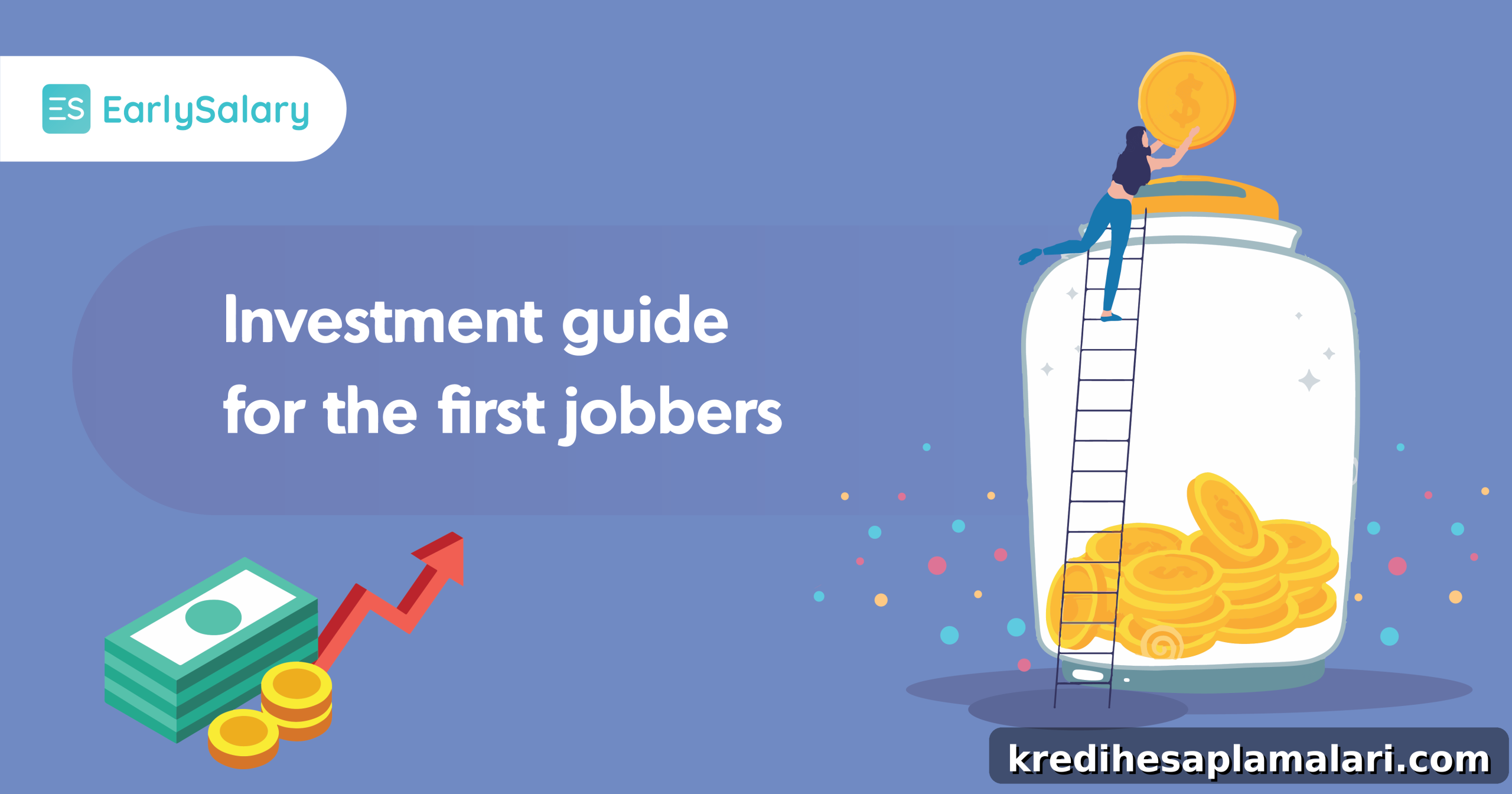
Highlight: Snap out of your comfort zone – it’s time to start making your own (brilliant) financial decisions. Follow these simple rules of investing if you are a first-time investor.
Investing is the cornerstone of building long-term wealth and achieving financial goals. By creating a balanced investment portfolio and contributing regularly, you grow your savings for future needs and develop disciplined money habits that pay off over time.
Markets will rise and fall, but starting early gives you years to recover from volatility. Once your essential expenses are covered, plan how to allocate a portion of your salary toward investments so you can steadily move toward financial wellness.
Inflation and the Importance of Investing
Inflation means prices of goods and services increase over time, which reduces the purchasing power of cash. Since you cannot control inflation, your money must work for you by earning returns that at least match or exceed the inflation rate.
Investing is the most practical way to grow your capital and preserve its value. For example, if inflation runs at 8%, you will need 8% more money next year to buy the same items you can today.
To illustrate how inflation erodes value: Rs 1,00,000 at an annual inflation rate of 8% would be worth approximately Rs 92,000 after one year, Rs 84,640 after two years, and about Rs 51,322 after eight years. That decline shows why it is vital to earn returns that outpace inflation.
Spend less than you earn
Living beyond your means leads to debt; living exactly on your income leaves no margin for emergencies. Spend less than you earn, save consistently, and direct those savings into sensible investments to build financial security for the future.
Budget it
Track all income and expenses, and classify spending into essentials, discretionary items, and savings. When you understand where your money goes, you can cut unnecessary costs and allocate funds more effectively.
Set aside 10–20% of your salary as an emergency buffer. Keep these funds accessible, ideally in a liquid investment vehicle so they are available when needed.
Consider placing short-term savings in liquid funds, which invest in fixed-income instruments like certificates of deposit and commercial paper and typically offer modest, stable returns. Investing monthly, even small amounts, can compound significantly over the long term.
Dealing with surplus cash judiciously
Without a plan, surplus cash often gets spent. Start by defining goals such as buying a vehicle, funding education, or securing retirement. Categorize goals as short-term (1–3 years) or long-term (more than five years).
Assess your risk tolerance. If you can withstand a 25% drop in portfolio value, you are likely comfortable with higher risk; if not, you are risk-averse. Your goals and risk appetite will guide the mix of investments you choose.
Short-term, risk-averse investors may favor liquid or balanced funds, while those comfortable with volatility and longer horizons may allocate more to diversified equity funds. Align investments to the timeline and risk profile of each goal.
Learn about taxation
Understanding how your income and investments are taxed helps you keep more of your returns. Early in your career taxes may not seem significant, but as income grows, tax planning becomes increasingly valuable.
Explore tax-efficient investments such as ELSS, PPF, and NPS, and learn about deductions available under the Income Tax Act—Sections 80C through 80U. Using these provisions wisely can lower your tax liability while helping you meet long-term objectives.
Equity Linked Savings Schemes (ELSS) offer tax-saving benefits and typically have the shortest lock-in period among common tax-saving options. ELSS investments provide equity exposure that can support long-term wealth creation while giving you tax benefits under Section 80C—where you can claim deductions up to specified limits.
Understand and allocate your Asset
Asset allocation divides your investments among different categories—stocks, bonds, cash, and others—based on your time horizon and risk tolerance. A thoughtful allocation helps manage risk and align returns with your objectives.
Stocks
Stocks, or equities, represent ownership in individual companies. They can offer high returns over the long term but come with greater volatility.
Bonds
Bonds are loans to governments or corporations that pay periodic interest and return principal at maturity. They generally provide more predictable income and lower volatility than stocks.
Mutual funds
Mutual funds pool money from multiple investors to buy a diversified portfolio of stocks, bonds, or other assets. They offer diversification and professional management in a single investment vehicle.
Exchange-traded funds
Exchange-traded funds (ETFs) also hold diversified assets like mutual funds but trade throughout the day on exchanges like individual stocks, allowing intraday buying and selling at market prices.
Each of these options serves different purposes in a portfolio. The right mix depends on your goals, timeline, and tolerance for risk.
Plan your Retirement
Rising healthcare costs and the absence of universal social security make retirement planning essential. Determine the age at which you want to retire and estimate the monthly income you will need to cover post-retirement expenses.
For example, if you aim to retire at 60 and expect monthly expenses of Rs 50,000, consistent investing over several decades can help build the necessary corpus. Regular contributions, especially through systematic investment plans (SIPs), harness compounding to grow your retirement savings.
Create a retirement plan that specifies targets, expected returns, and a disciplined contribution schedule to stay on track.
Conclusion
If you are unsure where to begin, seek guidance from a trustworthy financial advisor or institution. Starting early, maintaining discipline, and choosing investments that align with your goals and risk tolerance are key steps to building a secure financial future.
Set long-term financial priorities and commit to regular saving and investing. Securing your first job is an important milestone—using that income to invest wisely can be the foundation of lasting financial well-being.