7 Practical Tips to Build a Strong Financial Future
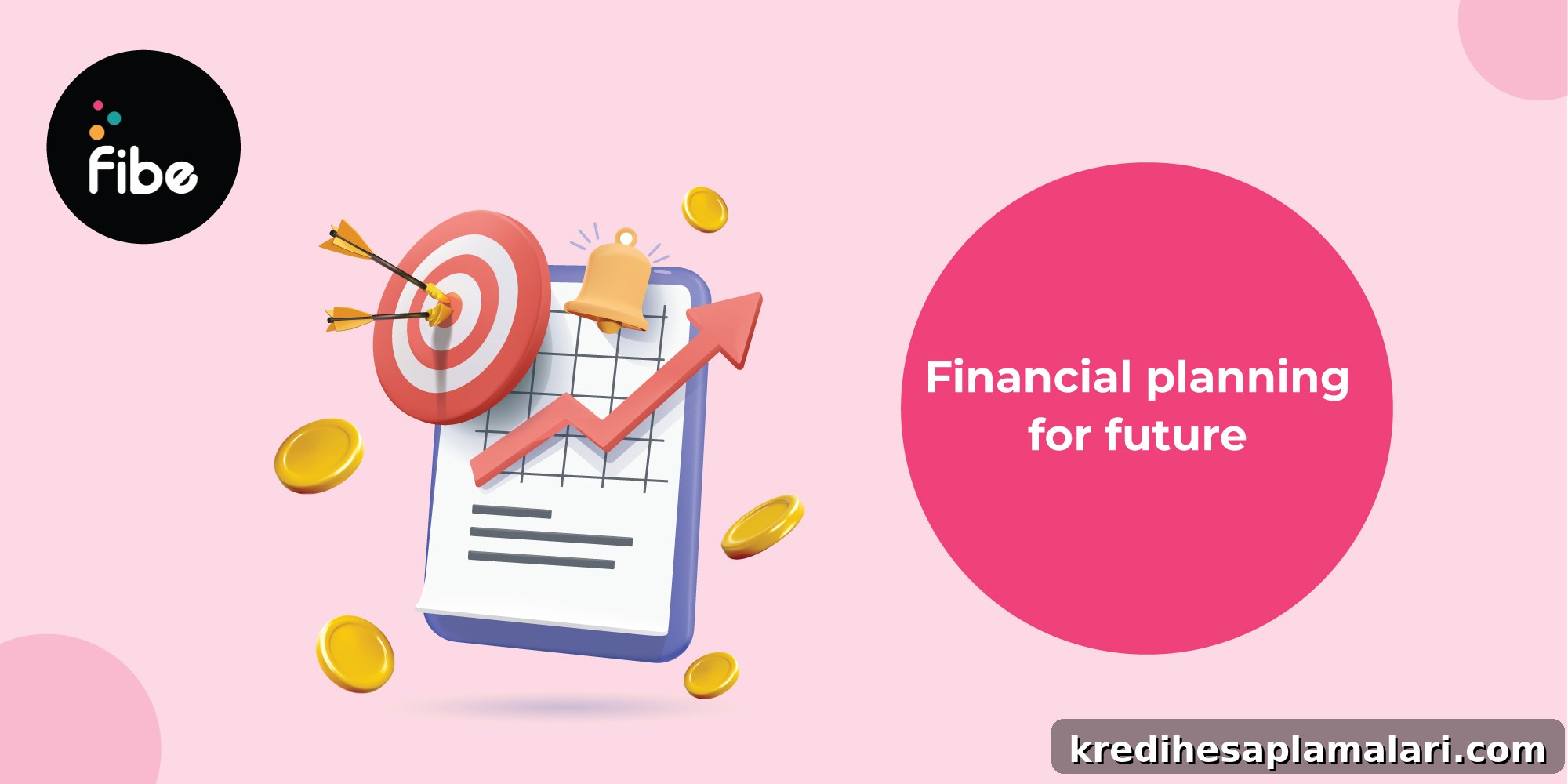
Money management is essential for navigating life’s uncertainties. Developing financial discipline takes time and thoughtful planning, but it pays off by helping you control daily expenses, seize opportunities, and handle emergencies.
The earlier you learn to manage money, the more effective you become at building and preserving wealth. A firm grasp of your finances lets you meet day-to-day needs, plan for future milestones, and respond confidently when unexpected costs arise.
Below is a clear overview of personal financial management and practical tips to help you improve how you handle money.
What is Financial Management?
Personal financial management means organizing your resources strategically to meet both short- and long-term needs. It helps you cover everyday costs, reach important goals, save for retirement, and create a buffer against emergencies.
Main components of financial management include:
- Income
- Savings
- Spending
- Investing
Key Tips for Managing Your Finances Better
The following strategies can help you manage personal finances more effectively.
Establish Your Financial Goals
Start by defining clear financial goals. List major expenses—such as buying a home, funding a wedding, or paying for education—and prioritise them. Track your spending and ensure your expenses do not exceed your income.
Create specific, measurable, realistic, and time-bound objectives. If you have begun saving, track progress and start investing to grow your wealth. If your financial situation changes, review your budget and adjust priorities rather than abandoning your goals.
Plan Your Retirement Funds
Begin building retirement savings as early as possible. The amount you accumulate depends on how early you start, how consistently you contribute, and the types of accounts and investments you choose.
Even small, regular contributions can grow significantly over time and provide a safety net for emergencies such as job loss or medical expenses. Review and increase contributions when possible to meet your retirement objectives.
Pay Off Credit Card Debts
Relying heavily on credit can undermine your financial health. Use credit cards carefully and avoid impulse spending. One practical habit is to wait before making large or luxury purchases—this reduces unnecessary buys.
To manage and reduce credit card debt, follow these steps:
- Review your card statements regularly
- Use cash or debit for everyday purchases when feasible
- Compare and monitor interest rates
- Develop a debt-repayment plan based on your financial situation
Consider consolidation or refinancing options if they lower your interest costs. Always weigh opportunity costs before choosing a strategy to pay down debt.
Prepare for Taxes Early
Tax planning is a key aspect of managing money wisely. Organising receipts, tracking deductible expenses, and reviewing income proof throughout the year reduces last-minute stress and may improve tax outcomes.
Seeking professional advice or using reliable tools can help you detect discrepancies early and optimise tax-advantaged contributions, such as retirement account deposits, before the fiscal year ends.
Invest in a Diversified Portfolio
Diversification—avoiding placing all your money in one asset class—is a foundational investment principle. Spreading investments across equities, mutual funds, fixed deposits, real estate, and other instruments helps balance risk and return.
Choose investment options that align with your goals and risk tolerance, and remain consistent with regular contributions. As you approach retirement, adjust your asset allocation to reduce exposure to volatile market-linked investments and protect accumulated capital.
Secure Your and Your Loved Ones’ Health
Health and term insurance are important tools for protecting your finances. They cover medical expenses and provide financial support during crises, preserving savings and investments.
Compare plan features and coverage details before purchasing insurance to ensure the policy matches your needs and offers appropriate protection.
Create a Financial Safety Net
Building an emergency fund is vital. Set realistic short-term savings targets and contribute regularly, directing these funds into a separate account to avoid accidental spending.
Over time, this emergency cushion can cover unforeseen costs and help you stay on course with long-term financial objectives. Consult credible sources or a financial advisor to tailor a plan that fits your circumstances and goals.
When urgent expenses arise and savings fall short, consider reputable, short-term financing options carefully after evaluating costs and terms.
FAQs on Top Financial Tips to Handle Your Finances Better
What is the 50/30/20 rule for managing money?
The 50/30/20 budgeting rule is a simple framework for allocating income:
- 50% toward essential needs
- 30% toward discretionary wants
- 20% toward savings and debt repayment
What is the best way to manage money?
Core practices for managing money well include:
- Track your spending regularly
- Create and follow a realistic budget
- Build savings gradually
- Invest consistently with a long-term plan
- Pay bills on time to avoid fees
- Cut unnecessary recurring expenses
- Allocate funds for major upcoming needs
- Begin retirement savings early
How do you manage money at home?
To manage household finances effectively, try these steps:
- Apply the 50/30/20 budgeting rule
- Review your finances and set a monthly budget
- Eliminate avoidable expenses
- Prioritise timely payment of utilities and bills
- Maintain a separate emergency fund
Following these straightforward guidelines helps you build financial stability, reach goals, and respond confidently to unexpected expenses.