World Health Day: Protect Your Health with an ES Medical Loan
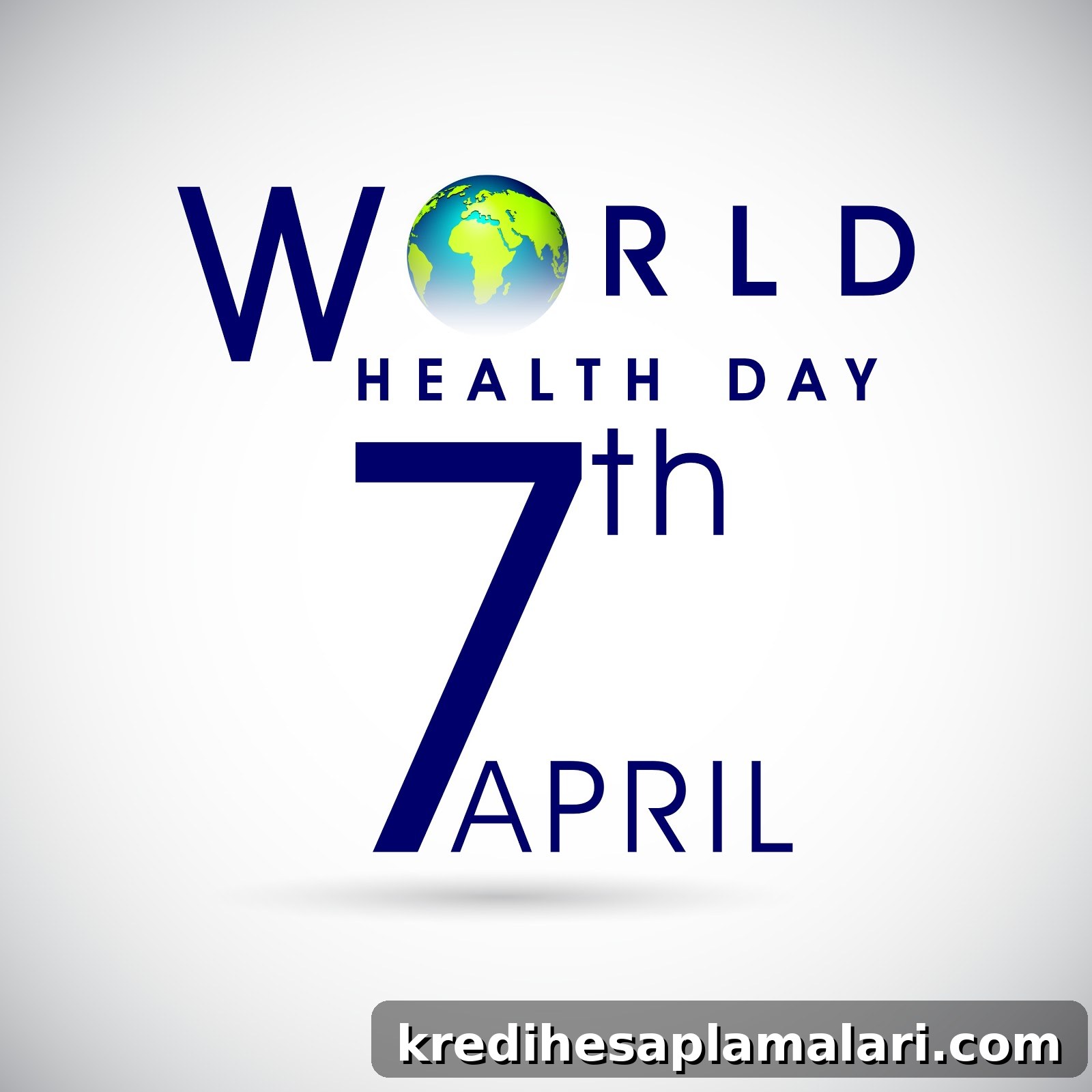

World Health Day is observed every year on April 7th. Led by the World Health Organization (WHO), this global awareness day marks the founding of WHO and focuses international attention on an important public health issue chosen annually.
The origins of World Health Day date back to the First World Health Assembly in 1948. In 1950 the Assembly designated April 7th as World Health Day to commemorate the establishment of WHO and to provide a platform for highlighting pressing health concerns worldwide.
Each year WHO selects a theme and organises activities at global, regional, and local levels to promote awareness, provide guidance, and spur action. Governments, non-governmental organisations, professional associations and civil society groups often coordinate events, campaigns and media coverage to support the theme and amplify key messages.
World Health Day is one of WHO’s official global initiatives, alongside other observances such as World Tuberculosis Day, World Immunization Week, World Malaria Day, World No Tobacco Day, World AIDS Day, World Blood Donor Day, World Chagas Disease Day, World Patient Safety Day, World Antimicrobial Awareness Week, and World Hepatitis Day.
Theme for World Health Day 2020
The 2020 theme, “Support Nurses and Midwives,” responded directly to the COVID-19 pandemic. The day emphasised the vital role nurses and midwives play on the front lines of health systems, providing care, compassion and continuity of services during a global emergency.
Because of pandemic-related restrictions and widespread “stay at home” measures, much of the 2020 observance took place virtually through online briefings, social media campaigns and digital events. Activities also focused on fundraising and support for the global COVID-19 response.
Nurses and midwives delivered essential clinical care, supported patients and families, participated in research and data collection, and helped maintain health services under extremely challenging conditions. The 2020 observance highlighted how indispensable this workforce is to any effective public health response.
Looking ahead
World Health Day continues to draw attention to workforce issues, service delivery and health system resilience. In years designated for nursing and midwifery, WHO and partners publish recommendations and policy guidance aimed at strengthening education, working conditions and the overall capacity of these professions.
Beyond awareness, the day encourages investment in health workforces, improved training and better protections for frontline health workers so that countries are better prepared for future health emergencies.
Financial support during medical emergencies
Medical emergencies can strain families emotionally and financially. When immediate funds are needed for treatment, surgery or related expenses, personal loans can provide a practical solution. Modern financial services have simplified the borrowing process, offering quicker approvals and streamlined, largely paperless applications compared with traditional bank loans.
Many institutions now offer instant personal loans, pre-approved offers and fast disbursement directly to customers’ bank accounts. Eligibility requirements vary by lender but commonly include being a salaried citizen within a specified age range and meeting a minimum income threshold.
Instant loans for medical needs are often flexible: funds can typically be used for a variety of expenses associated with a medical emergency without the paperwork or itemised restrictions found in some insurance claims. Borrowers can choose repayment tenures that suit their circumstances, and many lenders allow early repayment without penalty.
When accessing online lenders, it’s important to use reputable providers to avoid fraudulent sites. Reliable platforms offer transparent terms, clear eligibility criteria and secure application processes so applicants can receive funds quickly and with confidence.
Some lenders also include benefits such as no prepayment charges, options to cover research-related medical costs, and no recurring annual fees. These features can make short-term borrowing less burdensome during a health crisis.
Ultimately, the goal is to ensure that financial constraints do not prevent people from obtaining timely and appropriate medical care. A straightforward, trustworthy loan application process can help individuals meet urgent health needs while they focus on recovery and supporting loved ones.
We encourage readers to compare offers, verify lender credentials, and review terms carefully before borrowing. Responsible use of financial products—paired with clear information and support—can be a helpful resource when faced with unexpected medical expenses.