How to Secure a Student Loan for Your Child’s College Education
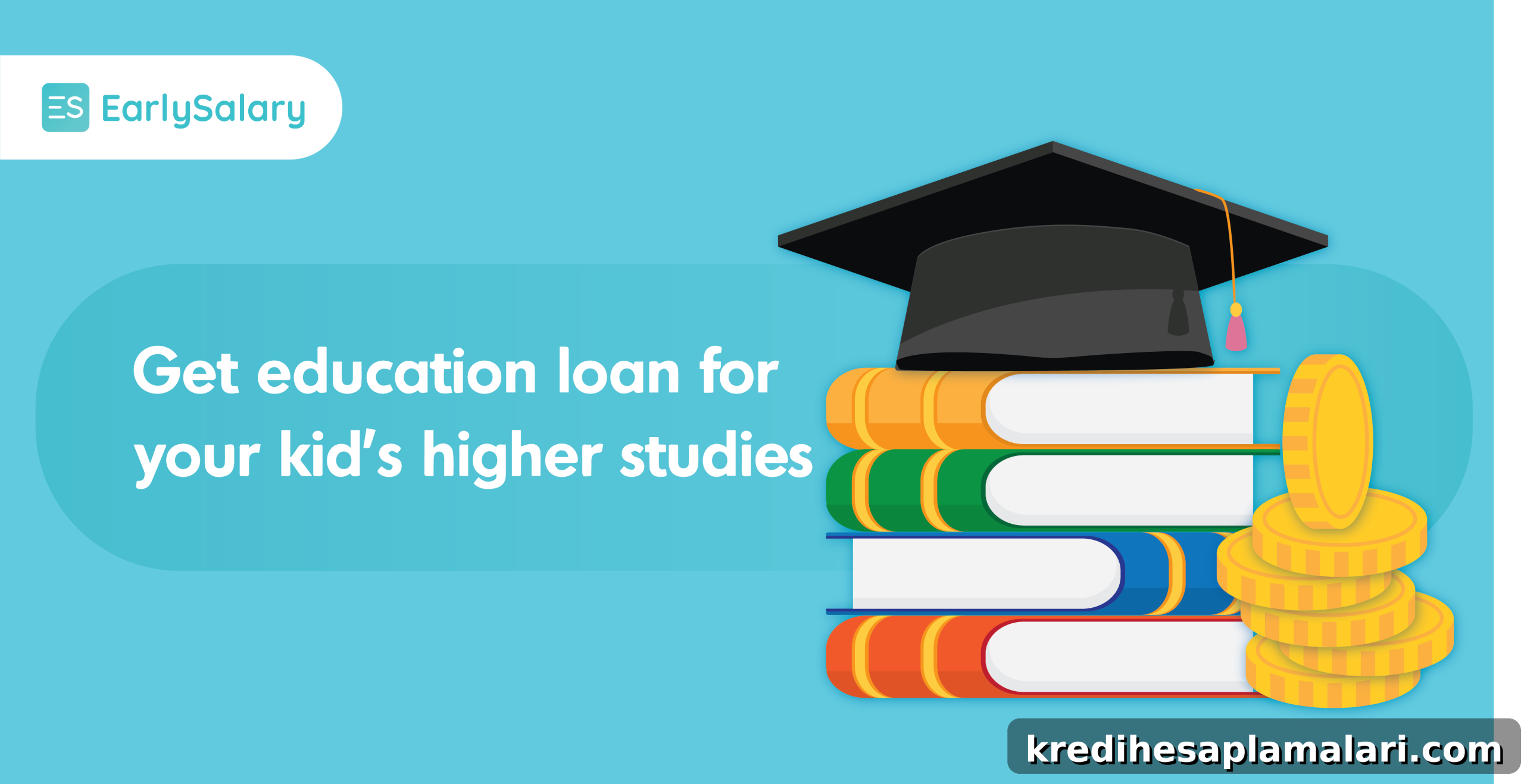
Highlight: Education costs are rising, and an instant education loan helps secure the best education for you or your child without compromising other aspects of life.
Higher education can be costly, and a personal loan for students can help cover those expenses without derailing your financial stability. A quality education lays the foundation for future success, but increasing fees and living costs can make accessing that education difficult. An instant personal loan for students can make pursuing the right course more manageable by spreading costs over time.
Below is a clear guide to education loans for higher studies—what they are, how they work, the types available, and common eligibility criteria to help you decide the best option for your situation.
What are education loans?
An education loan is financial support that students (or their parents/guardians) take to meet expenses related to a chosen course. These loans typically cover:
- Tuition fees
- Books and study materials
- Course supplies
- Living and maintenance expenses
Often called study loans, these funds can be used for courses taken in India or abroad. Loan amounts and interest rates vary by lender and borrower profile. If a student is unemployed or still studying, a parent, guardian, or other eligible adult may co-sign or apply as the primary borrower to secure the loan.
How does an education loan work?
Education loans operate much like other credit products. You apply with a lender, complete documentation, and the lender disburses the sanctioned amount to the educational institution or directly to you, depending on the arrangement. Interest accrues on the disbursed amount until the loan is fully repaid.
Repayment terms for education loans are generally borrower-friendly. Many lenders offer a moratorium or grace period—typically six to twelve months—after course completion before EMI repayment begins. This grace period gives graduates time to find employment and stabilize financially before starting payments. Exact terms and interest rates vary across lenders, so review the loan agreement carefully before committing.
Different types of educational loans
Education loans are available in several forms, organized by location, course type, and security (collateral). Common categories include:
1. On the basis of location
- Domestic education loan — For courses taken within the country, including study in another city or state.
- Foreign education loan — For study abroad; these loans often cover tuition, accommodation, travel, and daily living expenses associated with studying overseas.
2. Based on course
- Higher education loans (for undergraduate and postgraduate degrees)
- Diploma or certificate course loans
- Loans for professional courses such as medicine, engineering, law, or management
3. Based on security or collateral
- Secured loans — Require collateral such as property, fixed deposits, or other assets.
- Unsecured loans or personal loans for education — Do not require collateral and are typically approved based on income, credit history, and other eligibility factors.
Education loans available in India
Common categories of education financing in India include:
- Undergraduate student loans — For students who have completed secondary education and seek three- or four-year degree programs to enhance career prospects.
- Professional or graduate student loans — For students who have completed an undergraduate degree and wish to pursue advanced or professional studies in any field.
- Loans for parents — Parent or guardian takes the loan to finance a child’s education; often structured as unsecured loans or personal loans for education.
Financing education through a loan allows students and families to invest in learning while maintaining financial balance. Many lenders now provide digital application and disbursal processes, making borrowing quicker and more convenient.
FAQs on Education Loans for Higher Studies
Can I get an education loan if my parents are unemployed?
Yes. You can still obtain a student loan if your parents are unemployed. If you are unemployed as well, a guarantor or co-signer—such as a relative or other eligible adult—may be required by the lender.
Who is eligible for an education loan?
Eligibility varies by lender and loan type. Generally, lenders consider factors like age, residency, admission to a recognized institution, academic records, and supporting documentation. Many lenders publish specific eligibility criteria on their websites, which you should review before applying.
Can I take a personal loan for education?
Yes. A personal loan is a multipurpose product that can cover education expenses such as tuition fees, accommodation, travel, and study materials. Personal loans may have different interest rates and repayment terms compared to dedicated education loans, so compare options carefully.
Which loan is best for education?
The best loan depends on your needs: compare interest rates, loan amounts, repayment tenure, moratorium period, processing fees, and eligibility. Choose a lender that offers favorable terms for your financial situation and course requirements.
General eligibility criteria for education loans
- Applicant should be an Indian resident.
- Applicants for student loans are typically required to be at least 18 years old.
- Some lenders place an upper age limit for applicants depending on course and loan tenure.
- Strong academic records and confirmed admission to a recognized institution improve approval chances.
- Complete documentation—such as admission letters, mark sheets, and identity proofs—is usually required.
For certain personal education loans, typical lender-specific criteria may include:
- Indian residency
- Age between 21 and 55 years (for salaried applicants with certain products)
- Minimum salary thresholds set by lender—often varying by city category
Choosing the right education loan can make higher studies affordable and manageable. Evaluate loan types, repayment flexibility, and eligibility to find the best fit for your academic and financial goals.