Open-End Credit Explained: How It Works and What You Should Know
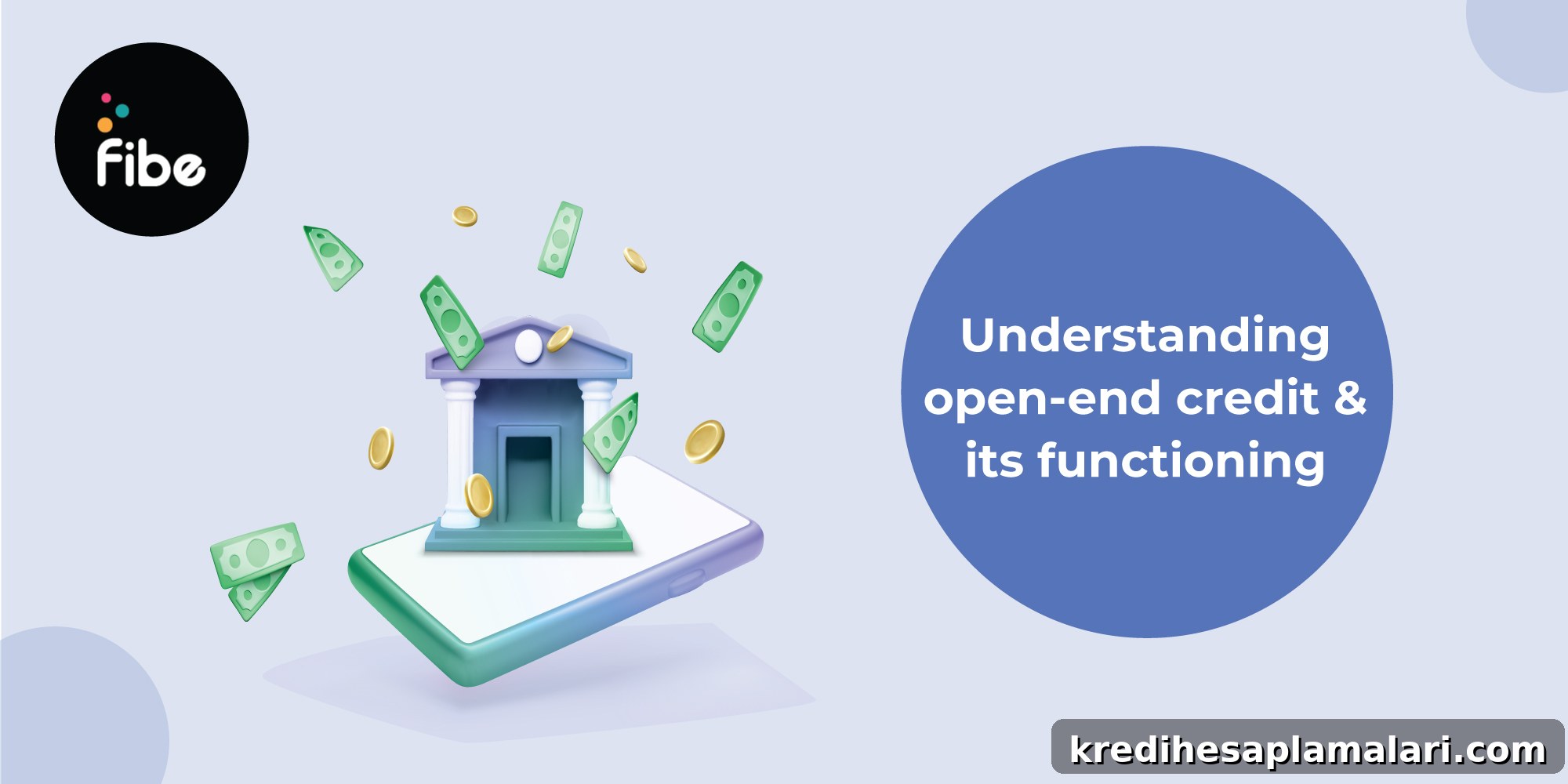
Open-end credit provides convenience and flexibility by functioning as a form of revolving credit you can draw on repeatedly. As long as you repay balances on time, funds remain available for future use.
Because interest is charged only on the amount you actually use, open-end credit can lower borrowing costs. In many cases issuers place few restrictions on how funds are used, allowing you to apply this credit to a wide variety of expenses.
Guide To Open-End Credit
Open-end credit is a loan structure that lets you access funds repeatedly as you repay borrowed amounts. When you repay what you have used, the credit limit is restored and those funds become available again.
Unlike closed-end loans, which require repayment of a fixed principal over a defined term, some open-end credit products do not have a fixed tenure. This means they can provide ongoing access to funds for as long as the account remains in good standing.
Financial institutions and banks typically offer open-end credit. Terms vary by product and issuer, but repayment generally includes the outstanding amount plus any applicable interest. Here’s how the system normally works:
- The available credit limit decreases as you draw funds.
- Issuers set the credit limit based on your creditworthiness and ability to repay.
- Repaying the amount you used restores access to funds up to your limit.
Open-End Credit Facilities
The most familiar form of open-end credit is the credit card. Beyond that, two common facility types include:
- Personal Lines of Credit
Personal lines of credit let you borrow for a range of personal needs—medical bills, education costs, home improvements, or emergency expenses. You draw only what you need and pay interest only on the drawn amount.
- Home Equity Line of Credit
A home equity line of credit (HELOC) uses the value of your home as collateral. The available amount is generally calculated by subtracting your outstanding mortgage from your home’s current value, giving you access to funds against that equity.
Why To Opt for Open-End Credit
Open-end credit can be a useful financial tool for managing variable expenses and maintaining liquidity. Key advantages include:
Offers Flexibility
You can borrow and repay in amounts that match your needs. Because interest applies only to the portion you use, you can control borrowing costs more effectively than with a fixed loan.
Provides Convenience
Many lenders streamline access to open-end credit, reducing paperwork and approval time. The funds can cover large purchases or unexpected expenses without requiring a new loan application each time.
Establishes Credit History
Using open-end credit responsibly—by keeping balances manageable and making timely payments—can help build or improve your credit history and credit score, which may qualify you for better financing in the future.
Additional Perks
Certain open-end credit products, such as credit cards, often include rewards, cashback, or other benefits that can reduce net costs or provide added value.
While open-end credit offers flexibility and variable access to funds, closed-end loans may be preferable when you need a fixed amount and predictable repayment schedule. Evaluate your financial goals and cash-flow needs before choosing the right option.
FAQs on Open-End Credit and How It Works
What is open-end credit meaning?
Open-end credit is a revolving line of credit that allows you to borrow repeatedly up to a specified limit. You can draw funds as needed and continue to access credit as long as you repay outstanding balances according to the account terms.
What is the most common open-end credit?
Credit cards are the most common form of open-end credit. You use the card up to your available limit and by repaying the balance you restore that available credit for subsequent use.
What are the advantages of open credit?
Open-end credit helps manage cash flow and unexpected expenses, and you pay interest only on amounts you actually use. This structure can reduce borrowing costs compared with fixed loans and offers ongoing access to funds when needed.