Debit Card vs Credit Card: Key Differences and Which to Use
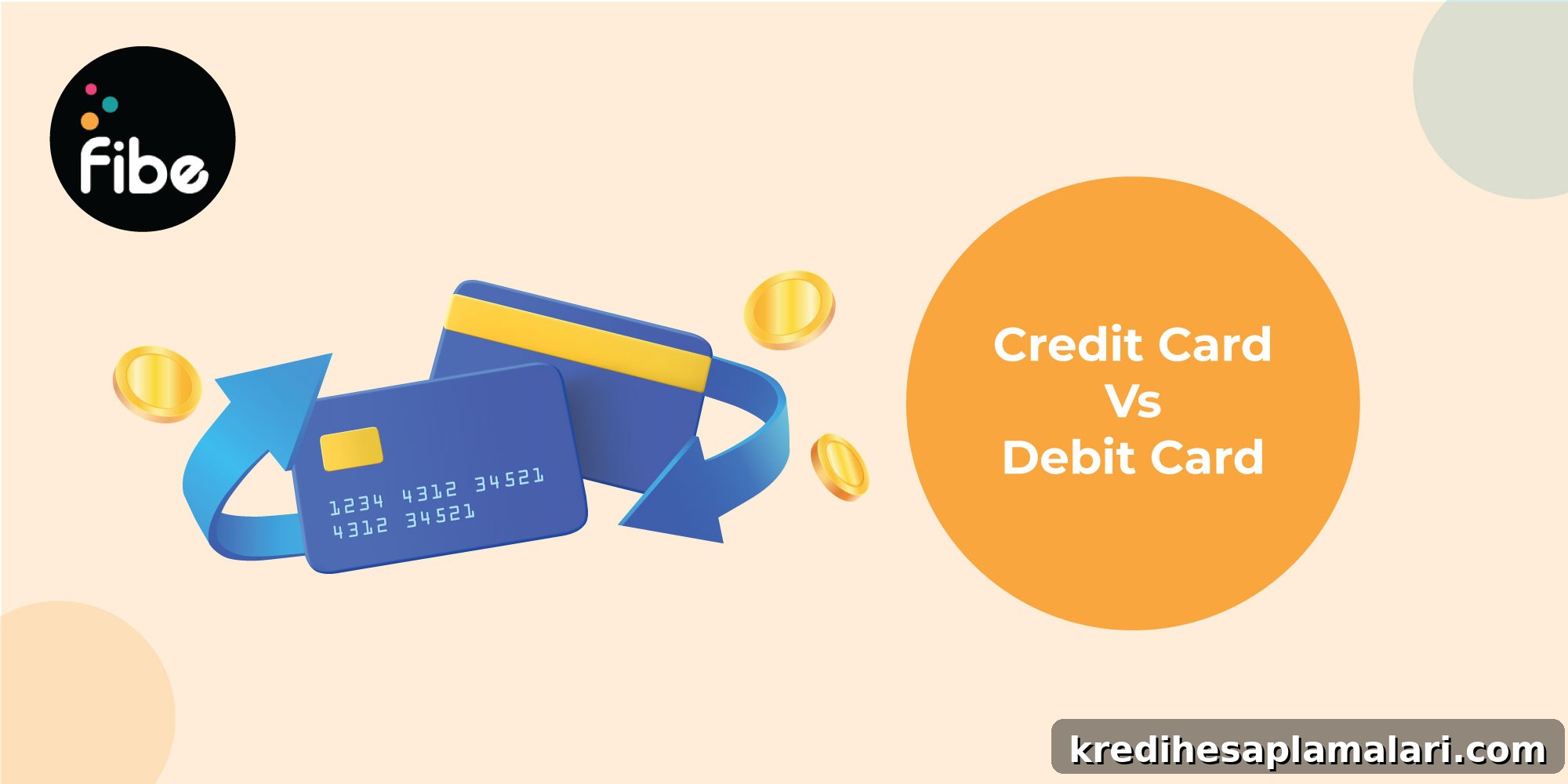
Understanding the differences between credit cards and debit cards will help you choose the payment method best suited to your financial goals. Both cards make payments convenient and reduce the need to carry cash, but they serve different purposes and offer distinct advantages. Knowing how they differ can help you manage spending, build credit, and select the right product for everyday use or occasional financing.
Below is a clear, SEO-friendly overview of debit and credit cards, their features, and when to use each so you can make an informed choice.
A Guide to a Debit Card
A debit card is typically issued automatically when you open a bank account and links directly to that account. Every time you make a purchase or withdraw cash, the amount is deducted from your available balance. Key characteristics of debit cards include:
- Issued automatically with most current, savings, or salary accounts, so there is usually no separate application required
- Direct access to the funds in your account—spending is limited to the available balance
- No interest charges on transactions because you are using your own money
- Low or nominal ATM and maintenance fees compared with credit-card cash advances
A Guide to a Credit Card
A credit card is granted by a card issuer after you submit an application and meet criteria such as credit history and income. It provides a revolving line of credit with an assigned limit that you can use for purchases or cash advances. Important features of credit cards include:
- A pre-approved credit limit that allows you to make purchases even when funds in your bank account are insufficient
- An interest-free grace period on purchases if you pay the full statement balance by the due date; otherwise interest applies on the outstanding balance
- Billing cycles that restore available credit after payment
- Interest applies only to unpaid balances beyond the grace period; late payments can incur fees
- Some cards offer up to around 50 days of interest-free credit depending on the issuer’s billing cycle and policies
- Rewards and perks such as cashback, reward points, discounts, fuel surcharge waivers, and complimentary lounge access, depending on the card
Difference Between Credit and Debit Cards
Here are the main distinctions between credit and debit cards that affect costs, convenience, and credit histories.
| Parameter | Credit Card | Debit Card |
|---|---|---|
| Interest Charges | Using a credit card means borrowing from the issuer. Interest is charged if you do not pay your statement balance by the due date; late fees may also apply. | Debit card transactions use your own funds and are interest-free. |
| Cash Withdrawals | Cash advances on credit cards usually incur high fees and interest from the date of withdrawal, with limits set by the issuer. | Debit cards provide easy access to cash at ATMs, typically with low or minimal fees. |
| Credit Score | Responsible credit-card use—timely payments and low utilization—can build or improve your credit score; missed payments can harm it. | Debit card use does not directly affect your credit score since transactions draw from your bank balance. |
| Annual Charges | Many credit cards have annual or renewal fees; some issuers waive fees if you meet spending or account conditions. | Debit cards generally carry nominal maintenance or annual charges, if any. |
| Spending Limit | Spending is limited by the credit line assigned by the issuer and can sometimes be increased upon request. | Spending is limited to the available balance in your account, plus any authorized overdraft facilities. |
When to Use a Credit Card and Debit Card
Use a debit card when you want to pay directly from your current, savings, or salary account and avoid interest charges. A debit card is best for everyday purchases when you have sufficient funds.
Use a credit card when you need short-term financing, want to take advantage of rewards or purchase protections, or when you prefer the flexibility of paying later within the grace period. Credit cards are useful for larger purchases you can repay on time, emergency expenses, or when you want to build credit history.
For many people, carrying both a debit and a credit card provides convenience and financial flexibility: the debit card for routine spending and ATM access, and the credit card for rewards, protections, and short-term credit needs.
FAQs on the Difference Between a Credit Card and a Debit Card
What is the main difference between a debit and a credit card?
A debit card draws funds directly from your bank account for each transaction. A credit card allows you to borrow up to an approved limit and repay the borrowed amount later, typically with a grace period on interest if you pay in full by the due date.
How can I tell if my card is a debit or credit card?
Most cards are labeled on the front as debit or credit. You can also check your bank or card issuer’s documentation or your account statement—debit cards withdraw directly from your account, while credit cards produce monthly statements and require repayment.
Which is better: a debit or a credit card?
Neither card is universally better; it depends on your needs and financial habits. Use a debit card to avoid interest and keep spending within your means. Use a credit card to access short-term credit, earn rewards, and build credit—provided you pay balances on time to avoid interest charges.
Is an ATM card a debit or a credit card?
An ATM card is a type of debit card designed specifically for cash withdrawals at ATMs. Both debit and credit cards can be used at ATMs for cash, but credit-card cash advances typically carry higher fees and interest.
Can I withdraw money from a credit card?
Yes, you can take a cash advance up to the available credit limit, but cash advances usually incur higher fees and interest charges from the date of withdrawal.
Can I use my debit card like a credit card?
Some banks offer overdraft or overdraft-protection facilities linked to debit accounts that allow transactions beyond the balance, usually charging interest similar to a credit product. However, standard debit-card purchases deduct funds directly from your account and do not involve borrowing unless an overdraft is in place.