Direct vs Indirect Taxes: Key Differences Every Taxpayer Should Know
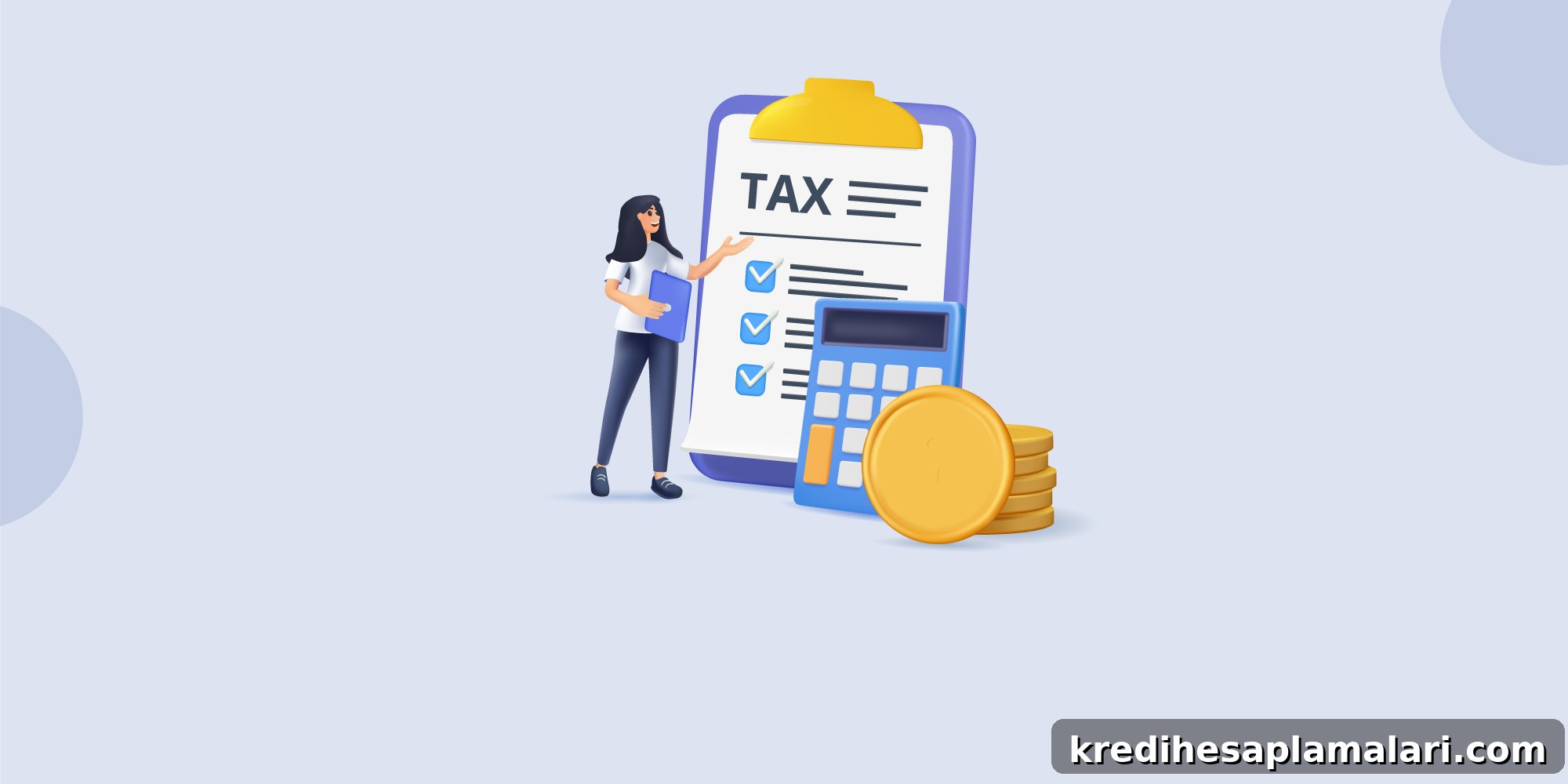
Direct and indirect taxes are the two main categories of taxation used by the Government of India to finance public services and infrastructure. Both types affect individuals and businesses: direct taxes are levied on income and profits, while indirect taxes are applied to goods and services and are typically included in the price consumers pay.
Knowing the difference between direct and indirect taxes is important for tax planning, budgeting and financial decision-making. The following sections explain each type, list common examples in India, and highlight the key distinctions.
What are Direct Taxes?
Direct taxes are charged on income, profits and certain other bases, and the liability rests with the person or entity on whom the tax is imposed. In other words, the taxpayer cannot shift the tax burden to another party. The Central Board of Direct Taxes (CBDT) oversees administration of direct taxes in India. Common direct taxes include:
- Income Tax
- Property Tax
- Fringe Benefit Tax
Types of Direct Taxes in India
Direct taxes in India are generally progressive, meaning higher earners pay a higher rate. Important direct tax categories include:
- Income Tax
Income tax applies to earnings of individuals and corporations. Under the Income Tax Act, taxpayers must file income tax returns (ITRs) declaring all income sources. Taxable income is calculated after applying the relevant slabs, deductions and exemptions.
- Capital Gains Tax
Capital gains tax applies to profits from the sale of capital assets such as stocks, real estate and other investments. Rates and treatment vary by asset type, holding period (short-term or long-term) and the taxpayer’s overall income.
- Securities Transaction Tax (STT)
STT is imposed on the purchase and sale of securities traded on recognised stock exchanges.
What is an Indirect Tax?
Indirect taxes are levied on the production, sale or consumption of goods and services. The tax burden can be passed from one person or business to another, typically ending with the final consumer. The Central Board of Indirect Taxes and Customs administers these taxes in India.
Types of Indirect Taxes in India
Indirect taxes are usually included in the price paid by consumers. Key examples include:
- Goods and Services Tax (GST)
GST is a unified, consumption-based tax that replaced multiple central and state indirect taxes. It simplified tax compliance and reduced cascading taxes by integrating taxes across stages of the supply chain.
- Customs Duty
Customs duty is charged on goods imported into India. It helps regulate trade and protect domestic industries from unfair competition.
Difference Between Direct and Indirect Tax
Both direct and indirect taxes contribute to government revenue, but they differ in purpose, incidence and how the burden is borne. Key differences are summarized below:
| Parameters | Direct Taxes | Indirect Taxes |
|---|---|---|
| Meaning | Paid directly to the government by the taxpayer | Collected from consumers or intermediaries and remitted to the government |
| Applicable to | Income and profits | Goods and services |
| Tax Rate | Varies with income and profits | Uniform rates for relevant goods or services |
| Burden | Progressive—higher earners pay more | Often regressive—same rate applies regardless of income |
| Examples | Income tax, capital gains tax, STT | GST, customs duty, VAT |
Understanding these distinctions helps individuals and businesses plan investments, manage cash flow and optimise tax liabilities. Direct taxes affect disposable income and corporate profitability, while indirect taxes influence consumption costs and pricing strategies.
When managing finances, consider both types of taxes: ensure timely filing and compliance for direct taxes, and factor indirect taxes into pricing, purchasing and budgeting decisions. Seeking professional tax advice can clarify specific obligations, exemptions and reliefs applicable to your situation.
FAQs on Direct Tax and Indirect Tax
Is TDS a direct or indirect tax?
Tax Deducted at Source (TDS) is a mechanism for collecting tax at the point of payment. It is related to direct taxation because it is deducted from income payments, although it is collected by an intermediary and remitted to the government.
What are examples of indirect taxes in India?
Common indirect taxes include:
- Goods and Services Tax (GST)
- Customs Duty
- Tax Collected at Source (TCS)
- Tax Deducted at Source (TDS) on certain transactions
- Service Tax (legacy taxes replaced by GST in many cases)
Is GST a direct tax?
No. GST is an indirect, consumption-based tax designed to streamline the previous indirect tax structure.
Is stamp duty a direct tax?
Stamp duty is treated as an indirect tax on certain legal documents and transactions, including property transfers, and is usually paid as part of the transaction costs.