Omicron Update: How to Strengthen Workplace Safety Strategies
Highlight: With rising cases of the COVID-19 Omicron variant, it’s important to revisit workplace safety measures to prepare for the possibility of another pandemic wave.
The World Health Organization identified the Omicron variant (B.1.1.529) in southern Africa in November 2021. Since then, cases have increased across multiple countries, and evidence suggests this variant can spread rapidly, even in populations with high levels of immunity. With uncertainty about its full impact, governments and organizations are reinstating or considering new precautions, and employers must reassess workplace safety plans.
Encourage Vaccination
Vaccination remains the most effective defense against severe illness, hospitalization, and death from COVID-19. Employers can support employee health by actively encouraging vaccinations, offering paid time off to get vaccinated, arranging on-site vaccination clinics, or providing information about local vaccination resources. These measures make it easier for employees to get vaccinated and help reduce workplace risk.
Regular COVID Testing
As Omicron cases continue to emerge, integrating regular COVID testing into workplace policies is a practical step. Routine testing helps identify infections early, enabling employers to isolate cases promptly and reduce the chance of transmission at work. Testing programs can be targeted—such as before large gatherings, after travel, or for unvaccinated staff—or offered broadly depending on local conditions and workplace needs.
Adopt a Hybrid Strategy
Many organizations that planned to bring employees back to the office have paused or revised those plans in light of the Omicron surge. Companies should weigh the broader community impact of returns to the workplace, since increased commuting and social contact can drive community transmission. To limit that risk, employers can delay full returns, adopt hybrid models with flexible schedules, or continue remote work where feasible. These approaches reduce density in the office and help protect both staff and the communities they live in.
Promote Social Distancing and Masking
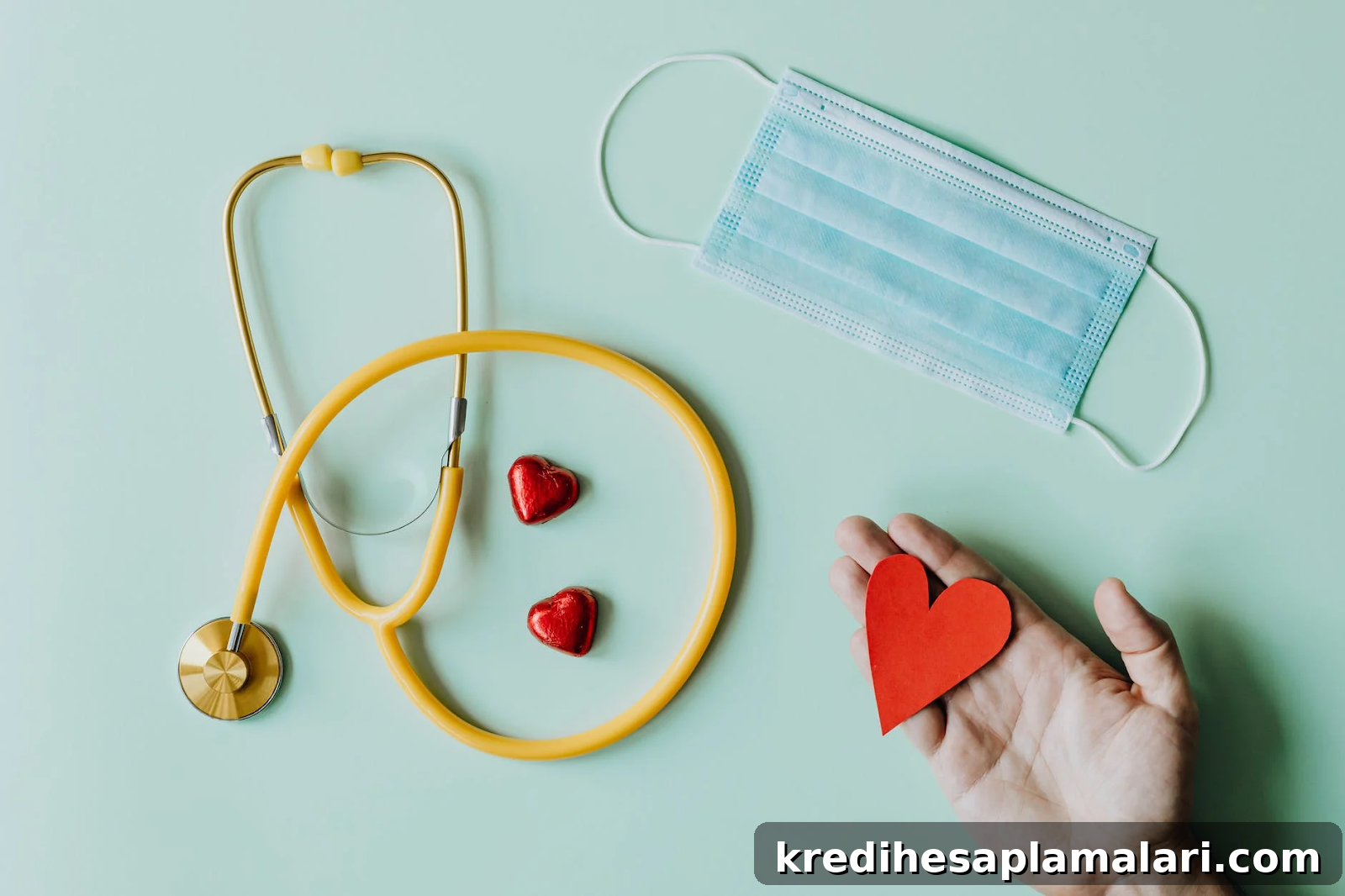
Until vaccination coverage and protections are universal, non-pharmaceutical interventions remain essential. Well-fitted masks and physical distancing are proven measures to reduce transmission and should continue to be enforced in the workplace. Flexible schedules and remote work support social distancing by limiting the number of people onsite. Employers should also discourage large gatherings and consider incentives or policies that make distancing feasible—such as staggered shifts, reconfigured workspaces, and clear masking guidelines.
Support Mental Health
The pandemic has changed how we work, often blurring the boundary between personal and professional life and increasing stress. Mental and physical health are closely linked, and chronic stress or burnout can weaken immune response, increasing vulnerability to illness. Employers should offer ongoing mental health support through counseling services, regular check-ins, wellness programs, and flexible scheduling to help employees manage stress and maintain resilience.
Maintaining a healthy workplace requires a combination of vaccination promotion, testing, flexible work arrangements, masking and distancing, and mental health support. As Omicron cases rise, employers should revisit their policies and adapt strategies to protect employees while balancing operational needs.
Download the personal loan app here, or log in to our website to join the #OneSmallStep experience.