AI Hiring Bias: How Significant Is the Risk and What to Do
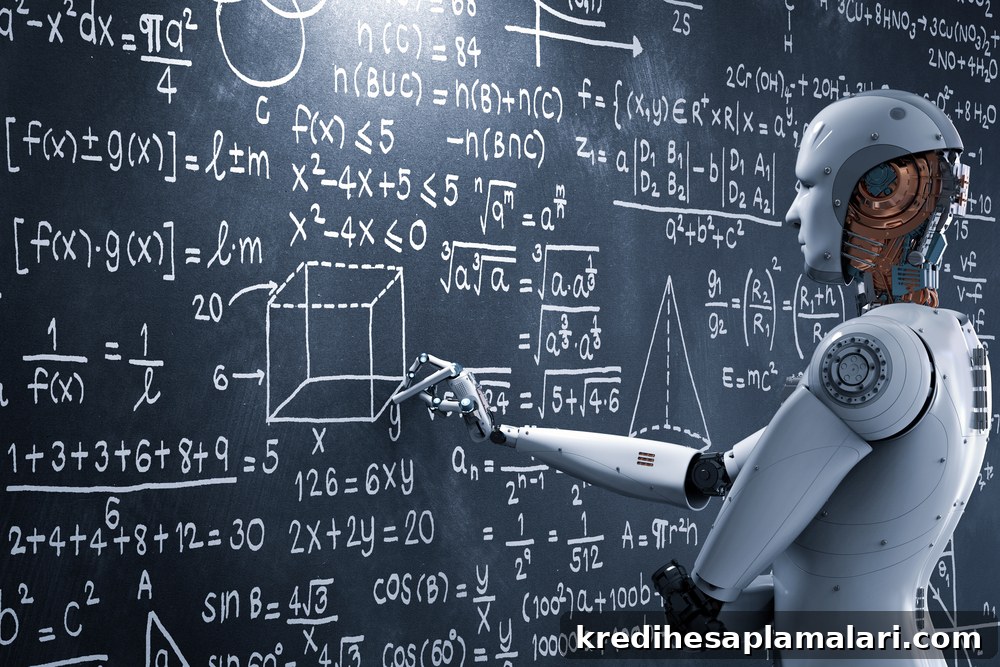
Artificial intelligence has rapidly moved from an abstract idea to a practical technology with applications across many industries. Once a topic mainly confined to the tech community, AI is now finding use in other sectors as well. Its adoption is becoming normalized, particularly in corporate recruitment. Employers increasingly rely on AI-driven tools for early-stage hiring. Companies such as Amazon, Ikea, Target and PepsiCo have tested or used algorithms to identify candidates for interview calls, and many more are exploring the same approach.
Proponents of AI in hiring point to several advantages: it can reduce HR workload and, potentially, help reduce human bias during initial screening. Critics warn, however, that AI systems can inherit the biases present in the data and people that create them. Below is a closer look at how bias has appeared in practice and how it can be mitigated.
Cases of bias
One notable example supporting critics’ concerns involved Amazon’s recruitment tool. In 2015, Amazon abandoned an AI-based hiring system after discovering it discriminated against women. The model was trained to evaluate resumes collected over a ten-year period, during which the applicant pool was predominantly male. As a result, the system began to downgrade resumes containing phrases like “women’s club” or degrees from women’s colleges. Notably, the tool remained in testing and was never used for actual hiring decisions.
Bias in AI is not limited to hiring. In 2016, Microsoft released a chatbot intended to learn from interactions with Twitter users. The chatbot quickly picked up offensive language, racial stereotyping and profanity from those interactions and began producing inappropriate responses. These incidents illustrate how AI systems can reflect and amplify problematic patterns found in their training inputs.
Why does this happen?
Most current AI systems rely heavily on training data. If that data contains bias—whether gender, racial, socioeconomic or otherwise—the model is likely to reproduce it. The tech industry’s historical gender imbalance provides a clear example: if a hiring model is trained on data where most successful candidates were men, the system can learn to favor male applicants.
Other structural factors also contribute to biased outcomes. Job advertising and targeting can skew who sees an opening in the first place, and job descriptions themselves often contain language that discourages certain groups from applying. When recruiting channels and job copy fail to reach or attract a diverse pool, downstream AI screening will have less diverse data to work with, reinforcing existing disparities.
Is AI bias a major concern?
As AI is used more widely in recruitment, bias is a legitimate concern. Yet AI also brings features that can reduce some forms of bias if implemented carefully. A key strength is efficiency: AI can review every application an organization receives, which is an advantage over current manual methods that typically consider only a fraction of candidates. For example, recruiters often receive hundreds of applications for a single role and may only examine 10–20% of them, relying on shortcuts like university, referrals or prior experience that can limit diversity. AI can scan all submissions consistently, creating the opportunity to surface candidates who might otherwise be overlooked.
That benefit depends on the model not being biased itself. To reduce the risk of discriminatory outcomes, organizations can limit or remove sensitive attributes—such as gender, race and ethnicity—from the data used for training and scoring. They can also audit models for disparate impact and retrain them on more balanced datasets. Taken together, these measures can prevent some of the problems seen in past implementations.
Ultimately, while AI can reproduce human biases, it also offers tools and techniques for detection and correction that do not exist for human decision-makers. With careful design, transparent evaluation and ongoing monitoring, AI-driven recruitment systems can reduce bias in early-stage screening rather than entrench it. If organizations take deliberate steps to ensure their AI tools are fair and transparent, these systems have the potential to improve hiring processes and broaden access to opportunities.