BNPL vs Credit Card: Which Payment Method Suits You Best?
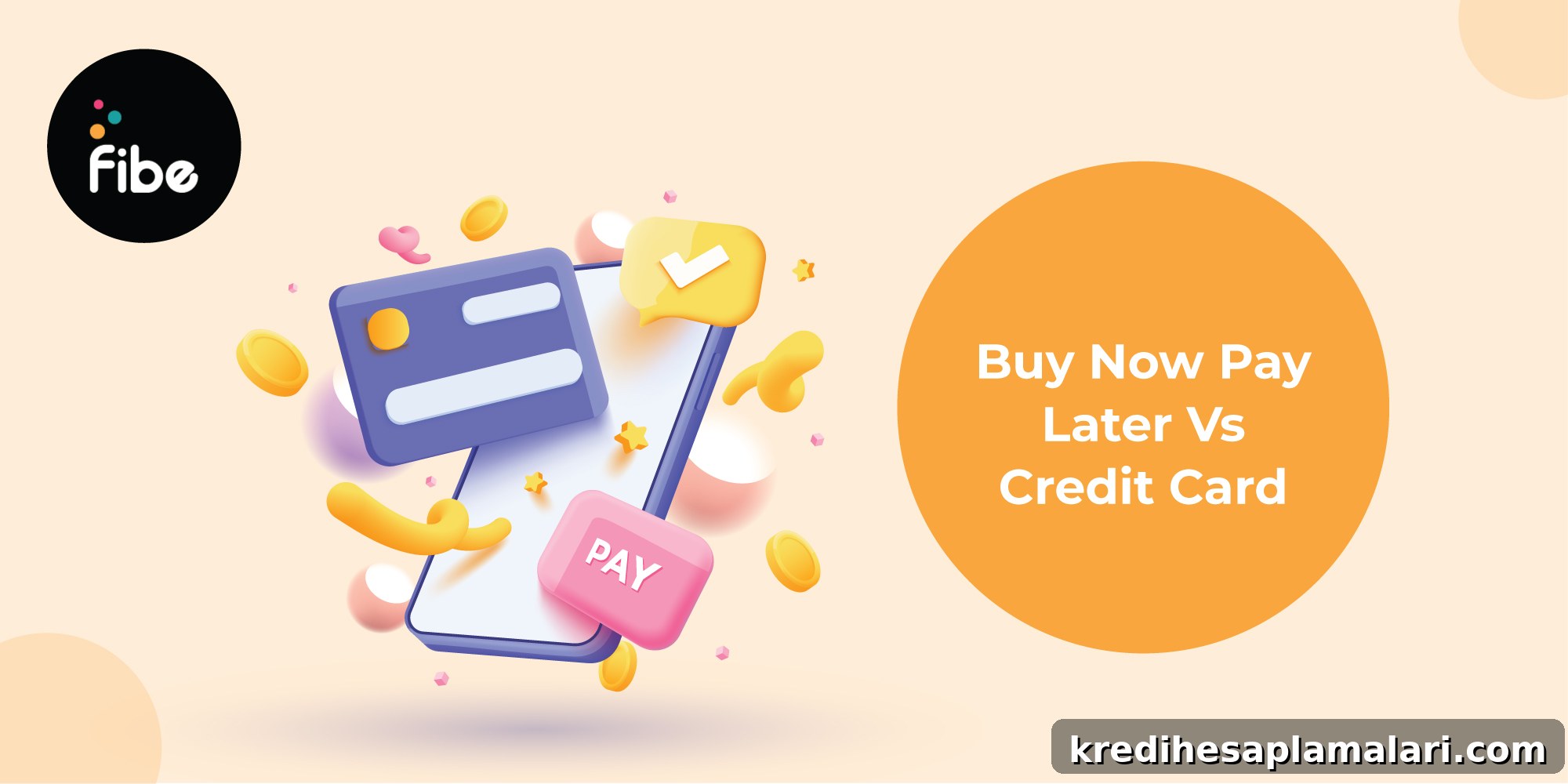
Every time you shop, new payment options emerge that make purchases more convenient. Buy-now-pay-later (BNPL) plans and credit cards let you spread costs over time so large purchases don’t derail your monthly budget. Understanding how each option works and their advantages helps you choose the most suitable payment method for your needs.
What is Buy Now, Pay Later (BNPL)?
BNPL is a short-term credit option that allows you to buy items immediately and repay the amount over a defined period, usually in equal monthly instalments (EMIs). Many merchants and third‑party financial platforms provide BNPL at checkout, often with pre‑approved credit limits that make purchases quick and simple.
Common BNPL providers and services include:
- Amazon Pay Later
- Flipkart Pay Later
- ICICI Pay Later
- HDFC Pay Later
- PayTM Postpaid
- LazyPay
- Ola Money Postpaid
- ZestMoney
- Simpl
What is a Credit Card?
A credit card is a revolving line of credit issued by a bank or financial institution that lets you make purchases now and pay later. You can either settle the full balance each billing cycle or convert larger purchases into EMIs depending on your issuer’s offerings. Credit cards are widely accepted and often include rewards, cashbacks, travel perks, and insurance benefits.
To qualify for a credit card you typically need a good credit score and evidence of stable income. Some cards carry joining or annual fees, while others waive charges in exchange for meeting spending thresholds or during introductory periods.
BNPL vs Credit Cards
Below are key differences to help you decide which payment option suits you best:
| Topics | Credit Cards | BNPL Cards |
|---|---|---|
| Simplicity and Safety | Easy conversion of purchases to EMIs through the issuer’s app, online account management, customer support, and an interest‑free grace period of about 45–50 days when you pay the full bill on time. | May require submission of documents and depend on your prior relationship with the merchant or issuer; often provides pre‑approved credit limits if you qualify. |
| Ease of Access | Requires a good credit score and adequate income unless it is a secured card that guarantees approval. | Generally more inclusive with fewer strict eligibility requirements, making it accessible to more shoppers. |
| One‑time Charges | Joining or annual fees can range from nil to several thousand rupees depending on the card. | May include a processing fee or a small down payment for some plans. |
| Interest Charges | Interest rates can be higher, depending on the card and outstanding balance. | Often marketed with lower or zero interest for specific tenures, though rates vary by provider. |
| Acceptance | Accepted widely across retailers and online platforms. | Acceptance is more limited and typically depends on the participating merchant or platform. |
Why Choose BNPL
BNPL can be a good option if your credit score is limited or you don’t yet qualify for a credit card. Many BNPL plans have minimal eligibility requirements, allowing salaried individuals and everyday shoppers to access short‑term credit. When you repay on time, BNPL usage can help establish or improve your credit history.
Another appealing aspect is that many BNPL offers come with low or zero interest for specific tenures, which can make them cheaper than credit card EMIs for certain purchases. BNPL is particularly useful for online shopping or for specific merchants that support the service.
Why Choose a Credit Card
Credit cards remain one of the most versatile payment tools due to their broad acceptance and range of benefits. A single card can be used across many categories—retail, travel, dining, and utilities—while providing rewards, cashback, discounts, travel perks, and insurance coverage.
Even though credit card interest rates can be higher than some BNPL offers, many cards feature attractive reward structures, welcome bonuses, and promotional zero‑interest EMI offers with partner merchants. For frequent card users who pay balances on time, the rewards and protections can outweigh higher interest charges.
Both BNPL and credit cards are useful when managed responsibly. Avoid over‑extending credit on either option—plan purchases around your repayment capacity to prevent debt accumulation and negative impacts on your credit score.
FAQs on BNPL and Credit Cards
Is BNPL better than credit cards?
Whether BNPL is better depends on your needs. BNPL can offer lower or zero interest and easier access for short‑term purchases at supported merchants. Credit cards provide wider acceptance, more benefits, and long‑term credit history building. Choose based on acceptance, cost, and the rewards you value.
Can you use BNPL with a credit card?
Yes. Many credit card issuers let you convert purchases into EMIs, effectively using the card as a buy‑now‑pay‑later tool. This may involve a processing fee and interest depending on the offer and merchant.
Who is eligible for BNPL?
BNPL eligibility is generally more flexible than credit cards. Most providers require basic KYC documents and that the applicant be an adult—commonly salaried or self‑employed individuals with PAN and Aadhaar for verification. Specific criteria vary by provider.
Is BNPL like a credit card?
BNPL resembles a short‑term instalment loan focused on specific purchases, while a credit card offers a revolving line of credit with broader functionality: longer grace periods, universal acceptance, rewards, and the option to convert bills to EMIs. Each serves different use cases.
Who is eligible to use BNPL services compared to a credit card?
Credit cards usually require a stronger credit profile and stable income, whereas BNPL is often offered to a wider audience with fewer barriers. Typical eligibility for BNPL includes being an Indian citizen, aged between 18–65 (some providers specify 21–65), and having basic KYC documents. Specific income or credit score requirements vary across providers.
- Indian citizen
- Typically 21 to 65 years old (age limits vary by provider)
- Salaried or self‑employed individuals
- Basic KYC documents such as PAN and Aadhaar