What Is Value Added Tax in India and How to Calculate It
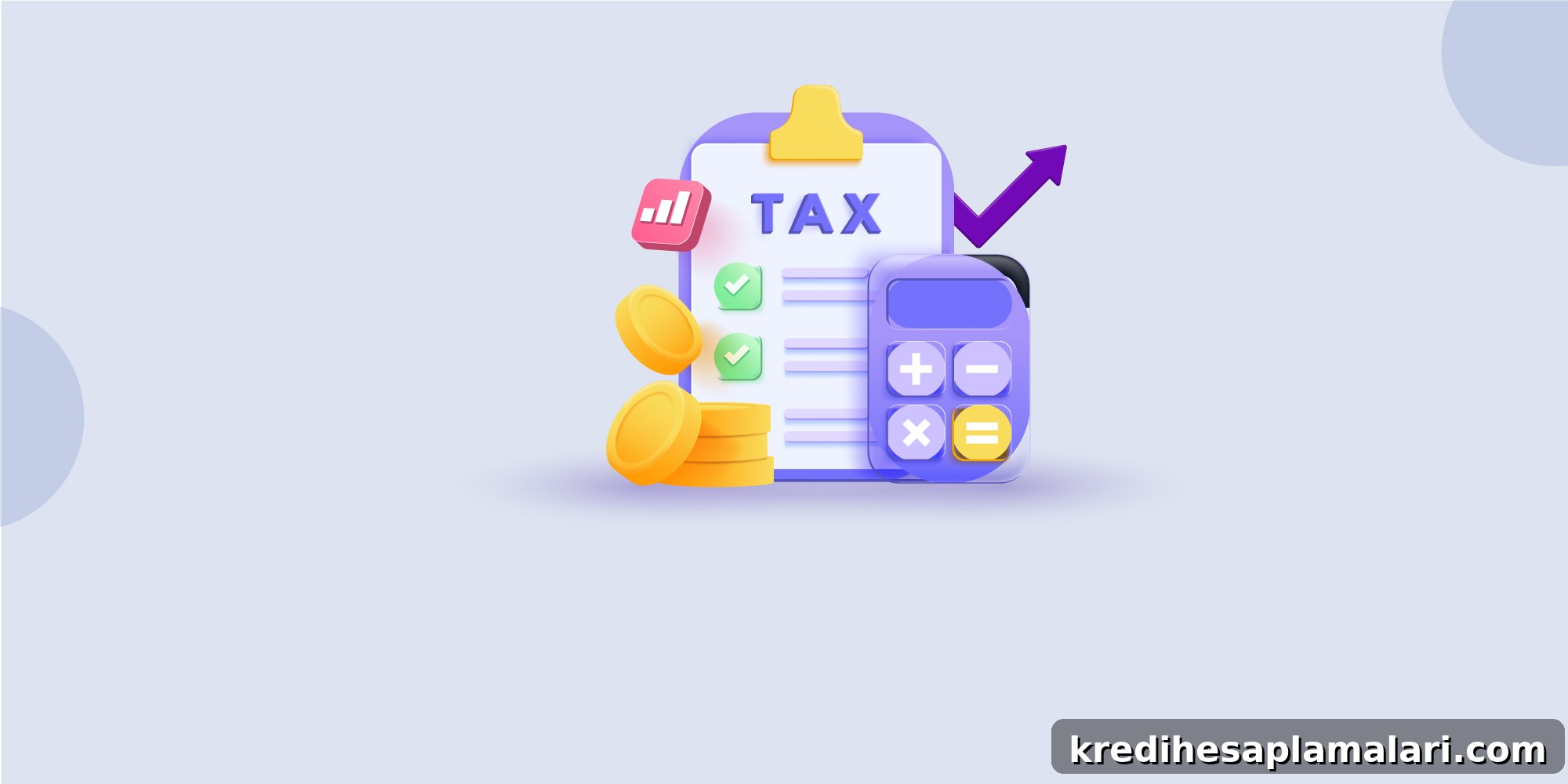
If you are wondering what VAT stands for, VAT means Value Added Tax — a tax collected at each stage of production and distribution of goods. Since the introduction of the Goods and Services Tax (GST) in 2017, most indirect taxes have been subsumed under GST, but some goods and situations still fall under state VAT rules. Below we explain the meaning of value added tax, how it functions, where it still applies in India, and what businesses need to know about registration and compliance.
Value Added Tax (VAT) Meaning
Value Added Tax is an indirect tax levied by state governments on the sale of goods. VAT is designed to be collected at multiple points along the supply chain — from manufacturing through wholesale to the final retail sale. Each dealer charges VAT on their sale and remits the net amount to the government after claiming credit for VAT already paid on purchases, which prevents tax cascading.
- Dealers collect VAT from consumers and pay the government the net tax due.
- Before remitting, dealers deduct the tax they paid on inputs, eliminating tax-on-tax.
- VAT rules and rates vary across states and Union Territories.
- Certain goods may be exempt from VAT in specific states.
- Lists of taxed and exempt goods and threshold limits are state-specific.
How VAT Works
Understanding the two core concepts — input tax and output tax — clarifies how VAT operates in practice.
- Input Tax
- Input tax is the VAT a dealer pays when purchasing goods, including raw materials, capital assets, and other inputs.
- VAT applies not only to goods bought for resale but often to capital purchases such as machinery and equipment.
- Businesses may typically claim input tax credit for VAT paid on eligible purchases, reducing the overall tax liability.
- Output Tax
- Output tax is the VAT collected by dealers from consumers on sales of taxable goods.
- Any person or entity registered under VAT (individuals, firms, companies, or partnerships) can collect VAT.
- If your sales exceed the state-prescribed threshold (commonly ₹5 lakhs or ₹10 lakhs depending on the state), VAT registration is required.
VAT differs from sales tax in that VAT is charged at multiple stages of production and distribution, whereas traditional sales tax is charged only at the point of final sale to the consumer.
What is VAT Registration?
VAT registration enrolls a business with the state commercial tax authorities so it can legally collect VAT, claim input tax credit, and file returns. Key points about VAT registration include:
- Mandatory for businesses selling goods that are still subject to VAT under state law.
- Register with the local Commercial Tax Department of the state where you operate.
- Submit identity proof, business proof, PAN, bank account details, and other required documents.
- After approval, the business receives a VAT registration number (often called a TIN).
- Registration enables legal collection of VAT, claiming input credits, and filing periodic VAT returns.
Procedure for VAT Online Registration
- Visit your state’s commercial tax department website.
- Create an account or log in as a new user.
- Complete the online VAT registration form with accurate business details.
- Upload required documents such as ID proof, address proof, business proof, PAN, and bank details.
- Pay the applicable registration fee online, if required.
- Submit the application and retain the acknowledgment or reference number.
- If required, schedule and prepare for any departmental inspection.
- Once approved, download and maintain your VAT registration certificate for compliance.
VAT Rates in India
VAT rates vary by state and by the type of goods. While most goods are now under GST, states still apply VAT for certain items. Typical ranges seen historically include:
- 1% – 5%: Essential items such as some food grains, medicines, and daily-use goods (subject to state lists).
- 12.5% – 15%: General goods such as certain electronics, furniture, and other non-essential items (varies by state).
- 20% and above: Specific items like alcohol for human consumption and some petroleum products (taxed separately by states).
- Because VAT is state-administered for remaining items, rates and categorizations differ across states.
How is VAT Calculated?
VAT is determined by offsetting output tax against input tax using a simple formula:
VAT = Output Tax – Input Tax
For example, if a dealer paid VAT of ₹10 on purchases (input tax) and later collected ₹15 VAT on a sale (output tax), the dealer remits the difference, ₹5, to the government. This mechanism prevents cascading and ensures tax is applied only on the value added at each stage.
Frequently Asked Questions on Value Added Tax
Can I claim VAT back on business expenses?
Yes. Once your business is registered for VAT, you can generally claim input tax credit for VAT paid on eligible business purchases, subject to state rules and documentation requirements.
Are there any exemptions from VAT?
Exemptions vary by state and the specific VAT legislation in force. Some goods and threshold limits may be exempted from VAT depending on state rules and notifications.
Where can I find more information or get help with VAT issues?
For accurate and up-to-date guidance, consult the commercial tax department of the relevant state government or its official resources. They provide details on VAT rules, rates, registration, and grievance redressal related to VAT matters.
What happens if I miss the VAT return deadline?
Late filing of VAT returns usually attracts a penalty or late fee. A common penalty structure includes a daily fee (for example, a specified amount per day), subject to caps and quarterly calculations, but exact penalties depend on state law. Check your state’s commercial tax rules for precise details.