Fixed Deposit vs Certificate of Deposit: Which Yields More in 2026?
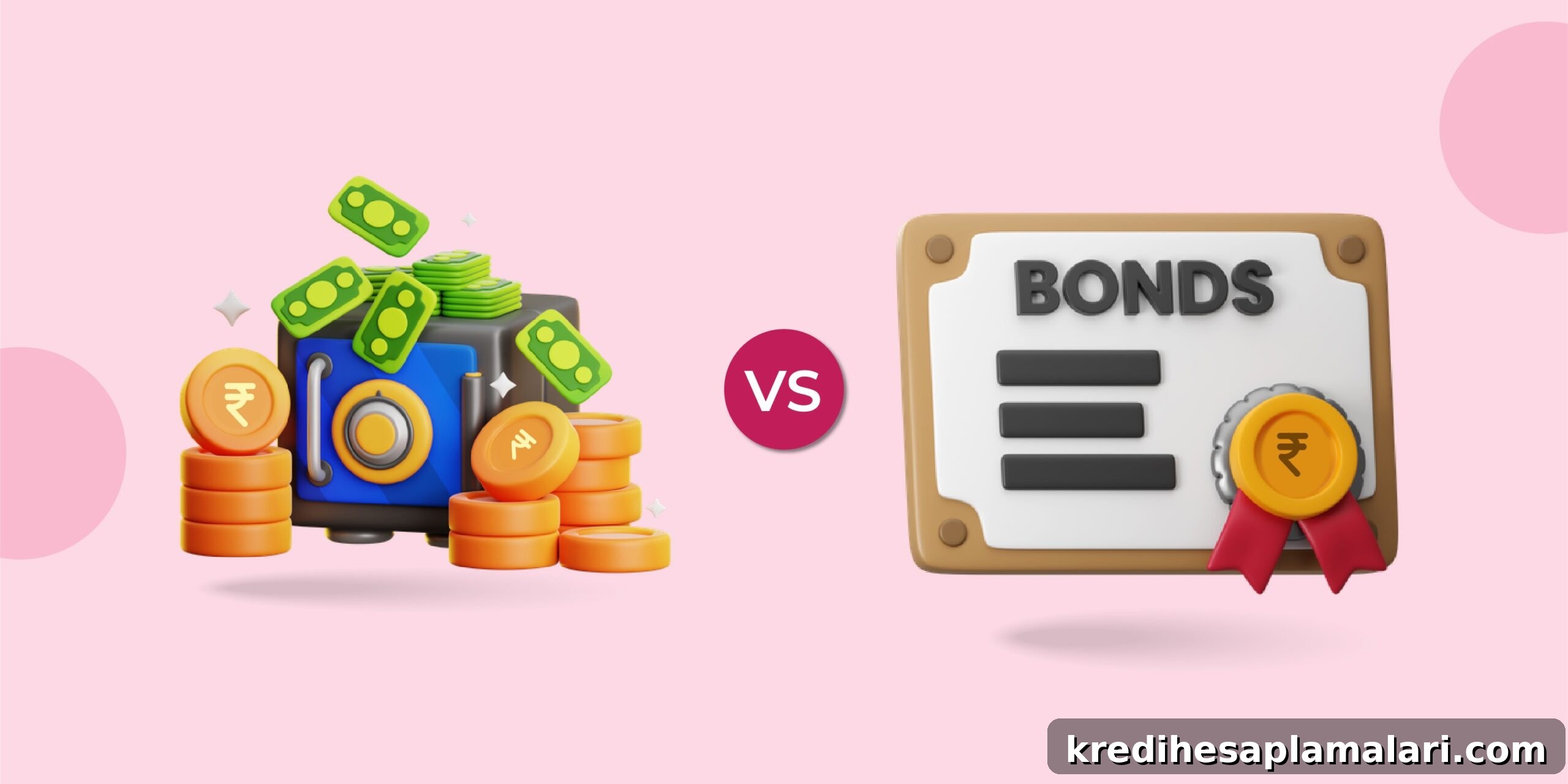
Fixed Deposit (FD) is a retail investment product that lets individuals deposit a sum with a bank for a predetermined term at a guaranteed interest rate. Certificate of Deposit (CD) is a short-term, transferable money market instrument issued by banks and financial institutions, typically in large denominations.
In simple terms, when comparing fixed deposit vs certificate of deposit, FDs are tailored for individual savers while CDs are mainly suited to institutions and high-net-worth investors.
Below is a clear breakdown of both instruments.
What is a Fixed Deposit?
A fixed deposit is created when you invest a lump sum with a bank for a specified tenure at a fixed interest rate. In India, FDs are offered by RBI-regulated scheduled banks such as SBI, HDFC Bank, ICICI Bank and Axis Bank, and also by certain NBFCs.
Key features of an FD:
- You lock funds for a period that can range from 7 days to 10 years.
- You receive a guaranteed interest rate for the chosen tenure.
- You get a fixed deposit certificate as proof of the investment.
Latest FD Rates 2026
Based on publicly available data from major scheduled banks in 2026, FD interest rates typically range between 3.5% and 8% per annum, varying with tenure and bank. Senior citizens commonly receive an additional 0.25%–0.50% over the standard rate. Scheduled banks and their monetary policies are regulated by the RBI.
What About NBFC FDs?
Some NBFCs offer higher interest rates than banks, but they often carry higher risk. NBFCs are regulated, but not as strictly as scheduled commercial banks, so it is important to check credit ratings and the issuer’s financial strength before investing.
What is a Certificate of Deposit (CD)?
Certificate of Deposit (CD) is a short-term money market instrument issued by banks and financial institutions to raise funds. Unlike retail FDs, CDs typically have the following characteristics:
- Issued in dematerialized (demat) form.
- Shorter tenures, usually from 7 days up to 1 year for banks.
- High minimum denominations, commonly ₹5 lakh or more.
- Tradable in the secondary market.
CDs are governed by money market regulations under RBI guidelines. The principal distinction is that a CD is a transferable security.
What Does Transferable Security Mean?
Transferable security means you can sell the instrument to another buyer before maturity. For example, if you purchase a CD for ₹5 lakh and need liquidity after three months, you can sell the CD in the market rather than breaking a deposit and paying a penalty. Retail FDs are not transferable and typically require premature withdrawal with penalties.
Fixed Deposit vs Certificate of Deposit: Side-by-Side
| Feature | Fixed Deposit (FD) | Certificate of Deposit (CD) |
|---|---|---|
| Target investor | Retail investors | Corporates, HNIs, institutions |
| Minimum amount | ₹1,000 – ₹10,000 (varies by bank) | Usually ₹5 lakh and above |
| Transferable? | No | Yes |
| Tenure | 7 days – 10 years | 7 days – 1 year |
| Premature withdrawal | Allowed with penalty | Can be sold in the market |
| Risk | Low (scheduled banks) | Low to moderate |
The main differences between fixed deposit and certificate of deposit are accessibility, minimum investment size and flexibility. FDs prioritize simplicity and accessibility for individuals; CDs prioritize liquidity and tradability for larger investors.
Interest Rate (APR) – How It Works?
Both FDs and CDs quote interest on an annual basis, often described as APR (Annual Percentage Rate). For example, investing ₹1,00,000 at 7% for one year yields ₹7,000 before tax. If interest is compounded quarterly, the effective yield will be slightly higher than the nominal rate. Always verify the nominal rate, compounding frequency and tax implications such as TDS when comparing products.
How EMI Bounce Increases Future Loan Cost?
Though it may appear unrelated, missed or bounced EMIs affect creditworthiness, which in turn influences borrowing costs and your overall financial flexibility. If an EMI bounces, banks report it to credit bureaus like CIBIL or Experian, which can lower your credit score and result in higher interest rates on future loans. For example, a good credit score might get you a 9% home loan rate, while repeated defaults could push the rate to 10.5%, increasing total interest paid significantly over long tenures. Maintaining liquidity through savings or short-term deposits helps avoid such situations.
Real-life example: If Rohan has ₹3 lakh, he can place it in an FD at 7.5% for one year and earn ₹22,500. A CD offering 7.8% might require a minimum of ₹5 lakh, so Rohan cannot invest unless he increases his capital. This illustrates why CDs are not suitable for many small investors.
FAQs on FD vs CD
Does a Certificate of Deposit Offer Better Interest Rates?
Sometimes CDs offer higher rates, but not always. CD rates depend on liquidity conditions, the RBI repo rate and market demand. In tight liquidity environments, CDs may yield slightly more than FDs, but they are primarily structured for institutional investors rather than retail savers.
Is CD the Same as FD?
No. While both involve depositing funds with financial institutions, an FD is a retail savings product, whereas a CD is a money market instrument. They differ in transferability, liquidity, minimum investment size and typical investor base.
Is a CD Better Than a Fixed Term Deposit?
It depends on your profile and needs. Choose an FD if you are a salaried individual seeking predictable income, low risk and the option for premature withdrawal. Choose a CD if you are a corporate treasurer or institutional investor who understands secondary markets and wants tradability. For most retail investors in India, FDs are the more practical option.
What Are the Risks of Investing in a Certificate of Deposit?
- Market risk – If interest rates rise, CD prices may fall in the secondary market.
- Liquidity risk – You may not find a buyer immediately when you want to sell.
- Credit risk – Smaller issuers may carry higher credit risk than large scheduled banks.
- Interest rate risk – Fixed returns can become unattractive if market rates rise later.
CDs issued by scheduled banks regulated by the RBI are generally considered relatively safe, but investors should assess issuer quality and market conditions before placing funds.