How Inflation Affects Your Finances: What You Need to Know
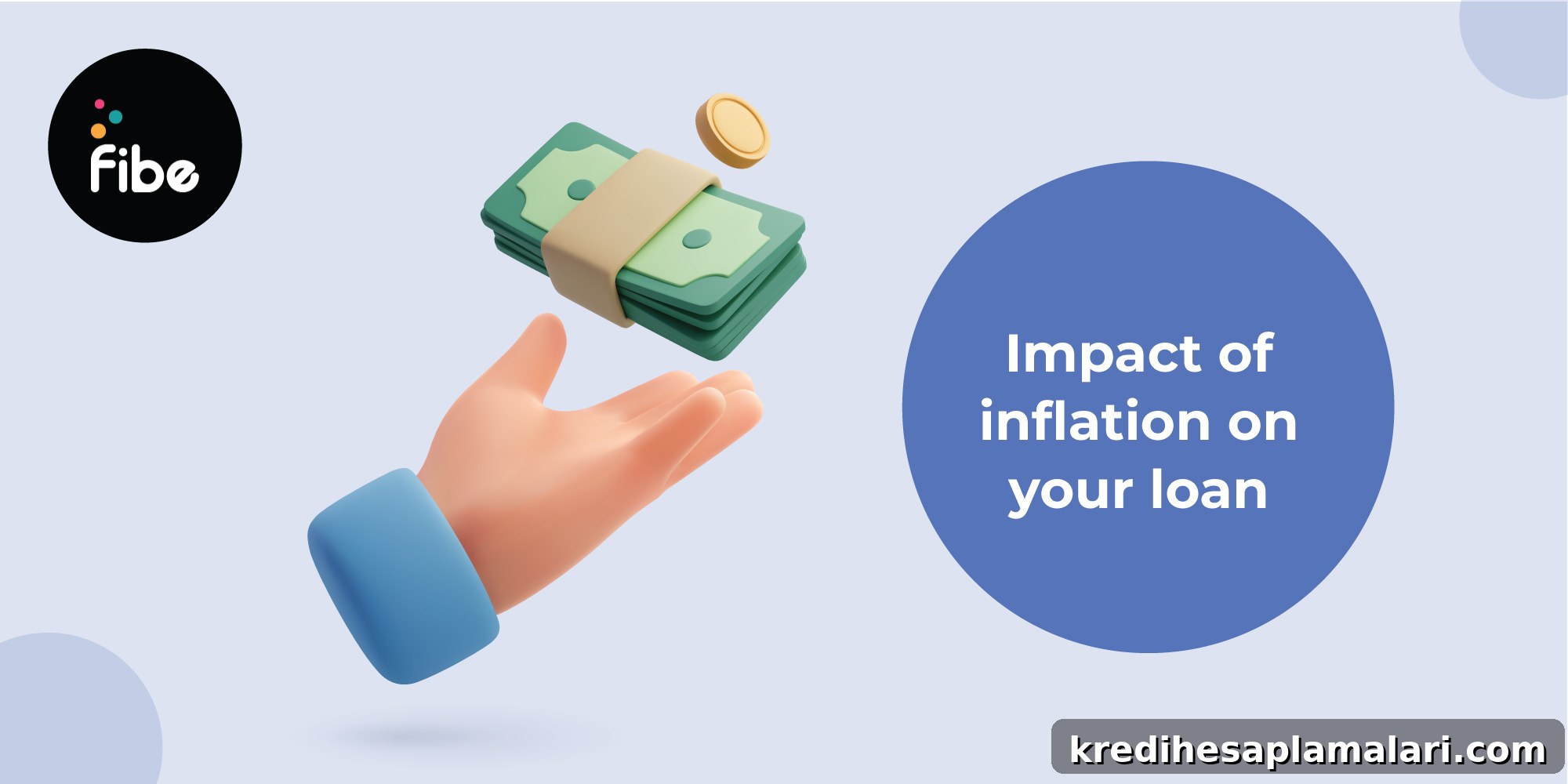
Inflation is often called a silent financial predator because it erodes the value of money over time. As prices for goods and services rise, each unit of currency buys less, reducing purchasing power and potentially lowering your standard of living. Understanding how inflation affects your finances and taking steps to protect your wealth can help you maintain financial stability.
Read on to learn more about what inflation is, how it impacts personal finances, and practical ways to mitigate its effects.
What is Inflation?
Inflation is the general increase in prices for goods and services over a period of time, which reduces the purchasing power of money. Key points to know:
- Inflation measures the percentage increase in prices over a defined period.
- Governments and statistical agencies calculate inflation using the average price change of a selected basket of goods and services.
- The opposite of inflation is deflation, where prices fall due to reduced spending.
- While moderate inflation is normal in growing economies, excessive deflation can harm economic activity and lead to unemployment.
How Inflation Impacts Personal Finances?
Inflation touches many aspects of household finances. Here are the primary effects to be aware of:
Reduced Purchasing Power
- As prices rise, the same amount of money purchases fewer goods and services.
- Higher inflation makes it harder to maintain your current lifestyle without increasing income or adjusting spending.
Decreased Savings
- Savings held in cash or low-interest accounts lose real value if interest rates do not keep pace with inflation.
- To preserve wealth, it is important to invest savings in instruments that aim to deliver returns above the inflation rate.
Higher Borrowing Costs
- Central banks may raise policy rates to curb high inflation, which increases borrowing costs across the economy.
- Borrowers with floating-rate loans will see higher interest payments when rates rise, increasing monthly outflows.
Negative Effect on Retirement Planning
- Inflation reduces the real value of retirement savings if the portfolio’s returns do not outpace price growth.
- Failing to account for inflation can leave retirees with insufficient income to cover living expenses.
Influence on Investments
- Different asset classes respond differently to inflation: equities, bonds, and commodities may each react uniquely.
- Some investments can act as a hedge against inflation, but regular portfolio reviews are essential to ensure returns exceed inflation.
- Adjust investments as needed to match macroeconomic conditions and long-term financial goals.
How to Mitigate the Impact of Inflation?
Applying the following strategies can help protect your finances from inflation’s erosive effects:
- Invest in Inflation-Protected Securities: Look for instruments that aim to deliver returns above the inflation rate to preserve purchasing power.
- Diversify Your Portfolio: Spread investments across asset classes—equities, mutual funds, fixed income, and bonds—to reduce the risk that inflation will erode your wealth.
- Invest in Commodities: Assets such as gold and certain commodities often serve as hedges during periods of rising prices.
- Minimize Debt: Reducing high-cost debt lowers vulnerability to rate increases and limits rising interest expenses during inflationary periods.
Gradually shifting income into long-term investments with positive expected returns is an effective way to combat inflation. Prioritize investments that match your risk tolerance and investment horizon to preserve and grow real wealth.
For short-term liquidity needs, financial products like personal loans can provide timely funding, but consider their interest rates and terms relative to inflation when borrowing.
FAQs on How Inflation Affects Personal Finances
What is the impact of inflation on finances?
Inflation reduces the real value of money over time. For example, if you hold ₹100,000 in cash and the inflation rate is 6% for the year, the purchasing power of that cash falls by the equivalent of ₹6,000; what cost ₹100,000 at the start of the year would cost about ₹106,000 by year-end.
How does inflation affect personal finances?
Major ways inflation influences personal finances include:
- Reducing purchasing power.
- Raising the cost of borrowing when interest rates increase.
- Diminishing the real value of uninvested savings and accumulated wealth.