Are Personal Loan Rates Rising and How That Affects You
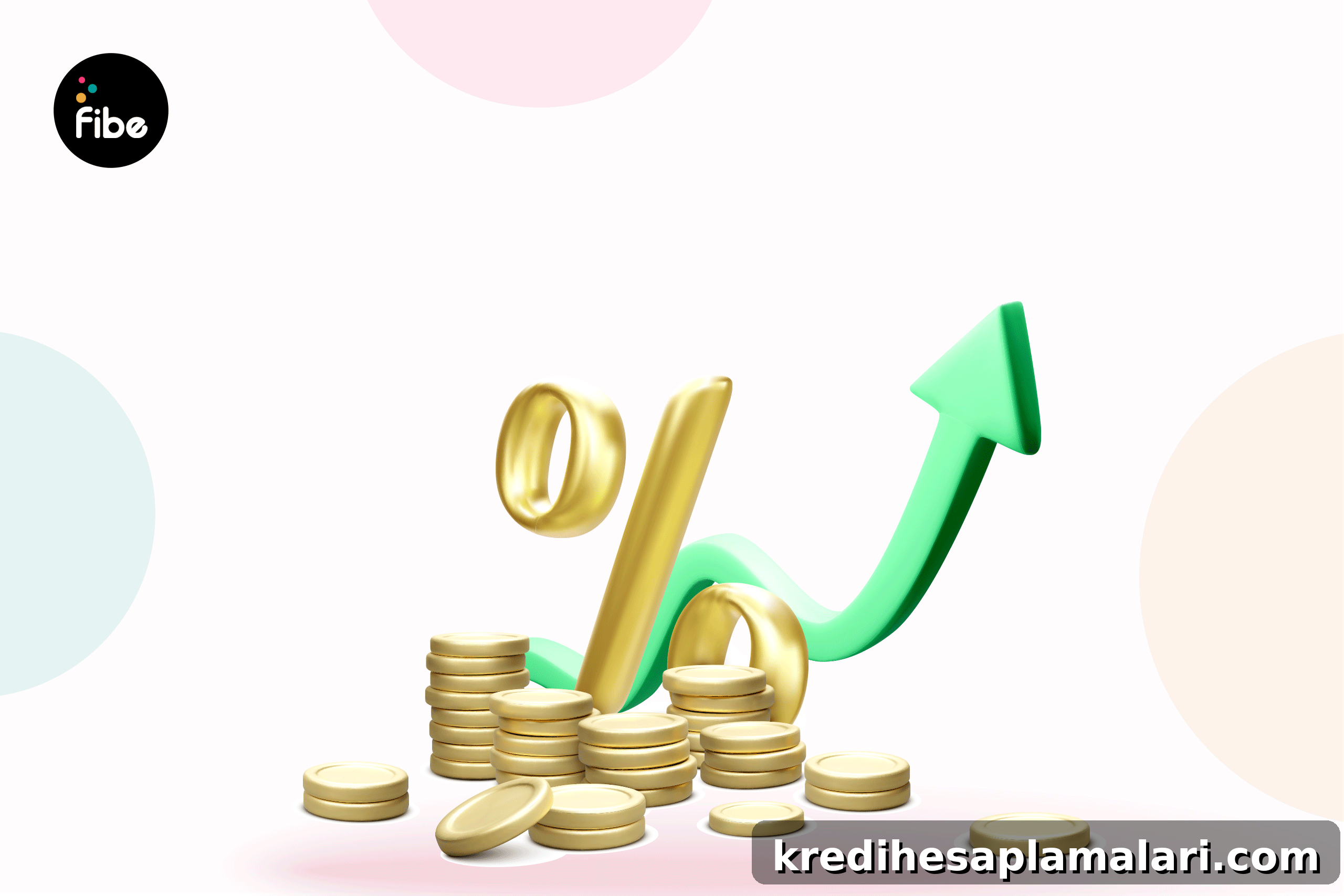
Before applying for credit, ask yourself: are personal loan rates going up or down? Interest rates directly determine your borrowing cost—when rates rise, monthly repayments increase; when they fall, repayments decrease.
Interest rates are influenced by several factors, including your personal financial profile, the lender’s policies, and broader market conditions. Below is a clear overview of how higher rates affect borrowers and the common reasons lenders may charge higher interest.
How High Interest Rates Affect Borrowers?
- In India, the Reserve Bank of India (RBI) sets the repo rate, which influences the cost at which commercial banks borrow funds.
- When the repo rate rises, banks and lenders typically raise the interest rates they charge customers, increasing loan costs.
- Conversely, a drop in the repo rate can reduce your loan EMI if lenders pass on the benefit.
- If your loan carries a floating rate, any change in the repo rate or benchmark will affect your interest rate and EMI.
- Loans with fixed rates maintain the same EMI throughout the tenure, so short-term rate changes won’t affect monthly payments.
- If you choose a floating-rate product, confirm whether your lender applies a cap on rate increases or EMI adjustments to limit your exposure.
Factors That Lead to an Increase in Personal Loan Interest Rates
Lenders evaluate many elements when setting your rate. Key factors that can push rates higher include:
Monthly Income
- Lenders assess whether you have a stable monthly income to determine your ability to repay the loan.
- If your income appears insufficient or unstable, lenders may charge higher interest to offset default risk.
- Conversely, higher and steady income generally results in lower rates because the lender’s risk is reduced.
Nature of Employment
- Lenders consider whether you are salaried or self-employed, your work experience, and employment history.
- They also review the reputation of your employer or the age and stability of your business, and whether your income is seasonal or steady.
- Stable employment and consistent income typically qualify borrowers for lower rates, while irregular employment can lead to higher rates.
Credit Score
- Your credit score is a primary indicator of repayment reliability; lenders use it to price risk.
- A lower credit score suggests limited credit history or past repayment issues, which often results in higher interest rates.
- A strong credit score signals responsibility and financial stability, which can secure more competitive rates.
Age
- Lenders consider age as part of their assessment of repayment capacity.
- Younger borrowers with limited employment history may face higher rates due to perceived inexperience.
- Similarly, borrowers nearing retirement may be seen as higher risk if future income is uncertain, which can increase rates.
Relationship with the Bank
- An existing, positive relationship with a bank—such as accounts in good standing—can lead to more favorable rates.
- Repeat or longstanding customers are often viewed as lower-risk borrowers and may receive lower interest offers.
Availability of Collateral
- Unsecured loans generally carry higher interest because there is no asset to recover in case of default.
- Secured loans backed by collateral typically attract lower interest rates since the lender’s risk is reduced.
- Common forms of collateral include gold, real estate, investments, vehicles, inventory, and accounts receivable.
Existing Liabilities
- Lenders review your current financial obligations—other loans, credit card balances, and recurring monthly payments.
- High existing liabilities can signal repayment strain and may prompt lenders to increase the interest rate to cover the added risk.
Selecting a lender with competitive rates helps minimize borrowing costs. For example, some providers advertise instant cash loans with transparent pricing, no hidden charges, and no foreclosure penalties—features that can reduce overall expense and provide flexibility. Check lender disclosures and product terms carefully to ensure you understand rate structures, fees, and prepayment policies before committing.
FAQs on What Rising Personal Loan Rates Mean for Borrowers
Are interest rates for loans going up?
Whether personal loan interest rates rise depends on changes in benchmark rates (like the repo rate), your personal financial profile, and the policies of the lending institution. Monitor central bank guidance and market trends, and review offers from multiple lenders to find the most favorable terms for your situation.
What happens to borrowers when interest rates rise?
When rates increase, the interest portion of your loan grows, raising overall borrowing costs and monthly EMIs for floating-rate loans. Borrowers with fixed-rate loans are protected from immediate increases, but future borrowing may become more expensive. If you have a floating-rate loan, consider whether you can absorb higher EMIs or if refinancing when rates decline might be an option.