Save Time with Net Banking: Faster Payments, Account Control
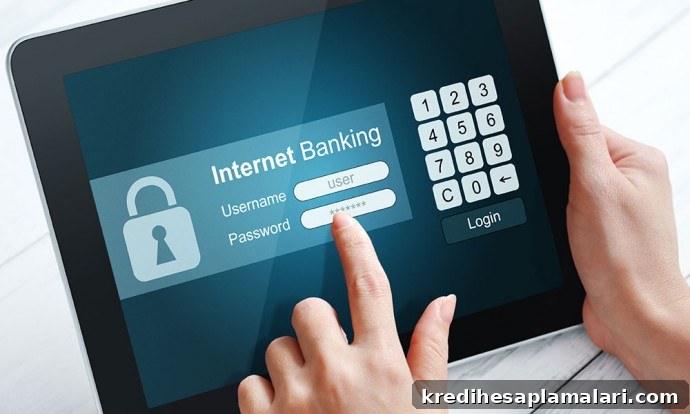
Net banking lets you view and manage your bank accounts online and perform transactions without visiting a branch. This electronic service removes the need to travel to a bank; with a few clicks you can transfer funds, pay bills, open accounts, or apply for financial products. Banks and financial institutions provide user-friendly, secure websites and apps that make these tasks quick and convenient.
Time is money — net banking saves both.
The advantages of net banking are many. Whether you want to open a new account, start a retirement plan, move money into a savings goal, or apply for a loan, these actions are accessible online. Many institutions also offer live customer support via chat, and you can even order gift or prepaid debit cards through internet banking services.
How net banking saves time and simplifies financial life:
- 1. No more scheduling trips to the bank. Visits to a branch incur travel time and cost, but with net banking you can transfer funds and pay bills from home.
- 2. No waiting in queues. Online transactions are processed as soon as you complete them, eliminating time spent in branch lines.
- 3. Timely bill payments become easier. Automated payments and scheduled transfers help you avoid missed due dates and simplify financial planning.
- 4. Less paperwork. The need to write checks, prepare envelopes, and fill out physical forms is greatly reduced.
- 5. Fewer checks required. As more payments move online, you order and use fewer checkbooks, saving time waiting for delivery.
- 6. 24/7 access. Internet banking is available around the clock, so you aren’t constrained by branch hours or bank holidays.
- 7. Faster fund transfers between accounts. Moving money digitally is quicker than writing and depositing checks, typically completing within 24 to 48 hours depending on the bank.
- 8. Multiple transfer methods. Net banking supports several transfer systems—NEFT, RTGS, and IMPS—each suited to different transaction sizes and speed requirements:
- NEFT (National Electronic Funds Transfer) is commonly used for small to medium transfers. NEFT processes transactions in hourly settlement batches during operational hours set by banks and the regulator, so transfers may be credited within the same day or the next settlement cycle.
- RTGS (Real Time Gross Settlement) processes high-value transfers in real time. Funds are credited to the beneficiary as soon as the transaction is processed. RTGS is typically used for larger amounts and follows the limits and rules set by the regulator and banks.
- IMPS (Immediate Payment Service) enables instant transfers, often via mobile banking, ATMs, or internet banking channels. IMPS is available 24/7 for immediate credit to the recipient’s account.
Each transfer method may have specific limits and fees, so it’s useful to check your bank’s fee schedule when planning transactions. By using net banking thoughtfully, you can control expenses, streamline payments, and manage your money more efficiently.
We hope this overview helps you better understand the benefits and options available through net banking.