Transfer Car Insurance to a New Owner in India: Step-by-Step Guide
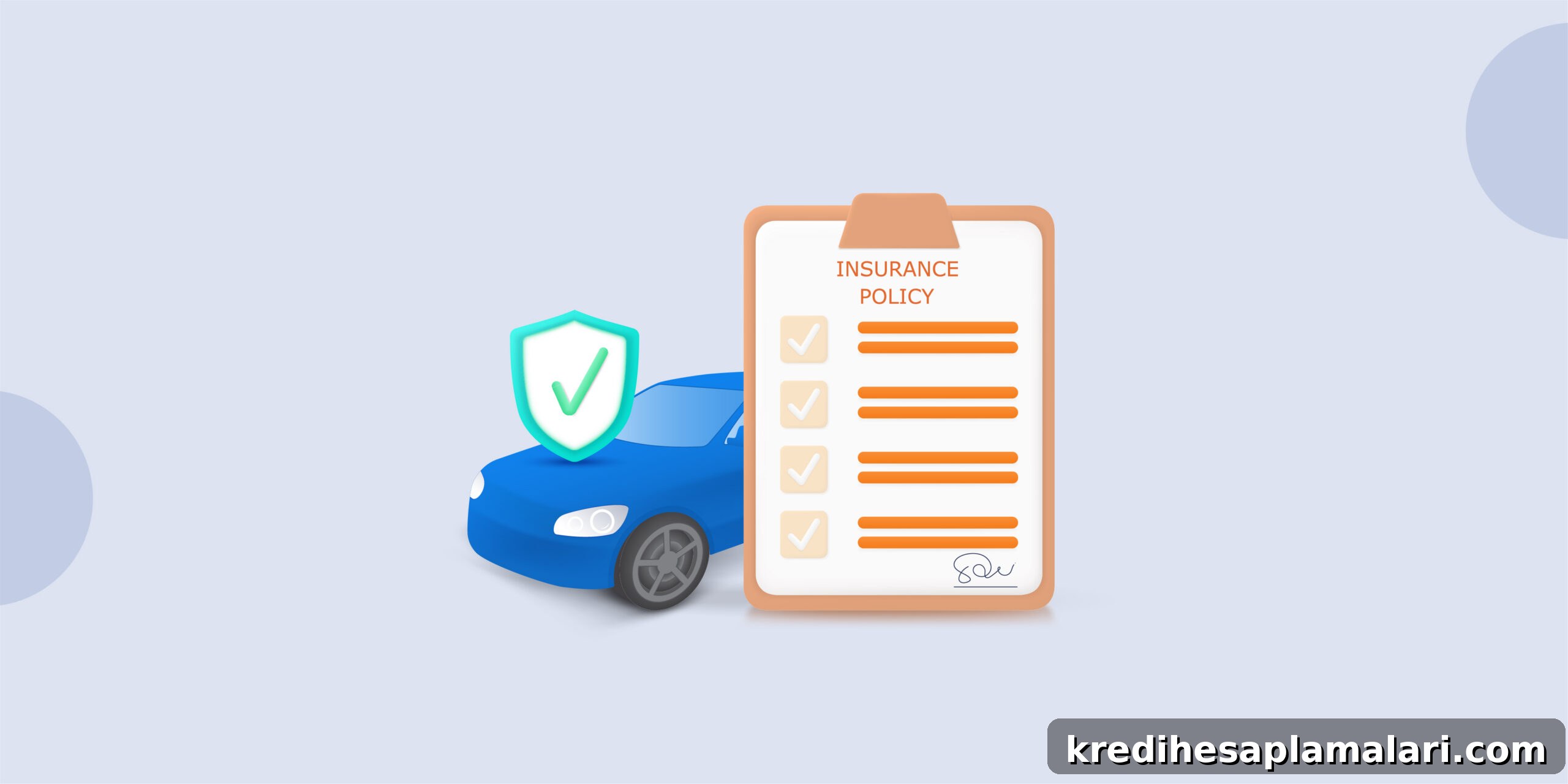
This article explains how to transfer car insurance to a new owner in India: who should initiate the process, what documents are needed and the critical 14-day deadline you must not miss. Whether you are buying or selling a used car, this guide walks you through each step clearly and practically.
When you buy or sell a used car in India, the Registration Certificate (RC) is only part of what changes hands. Insurance also needs attention. Under IRDAI rules, the insurer must be notified of an ownership change and the policy should be endorsed in the new owner’s name within 14 days of the RC transfer. Missing this window can leave the new owner effectively uninsured for own-damage claims, exposing them to financial loss and potential legal complications. Below is a clear, step-by-step explanation of how the transfer works, who does what and which documents you need.
Why Car Insurance Transfer Matters When Buying or Selling a Used Car
The existing insurance policy does not automatically transfer to the new owner. While third-party cover continues to exist for the vehicle as required by law, comprehensive cover does not automatically follow the vehicle. If the car has an accident before the insurance is formally transferred, the new owner may be unable to make own-damage claims. Legally and practically, notifying the insurer and completing the endorsement safeguards both parties.
In short: third-party cover remains linked to the vehicle but should be formally endorsed in your name, and comprehensive cover requires a formal transfer. If the transfer isn’t completed within 14 days of the RC change, the comprehensive policy may lapse for the new owner and own-damage claims will not be honoured.
Who Is Responsible for Transferring Car Insurance?
Both buyer and seller share responsibilities:
- Seller: Inform the insurer about the sale and provide a No Objection Certificate (NOC) if required. The seller can also opt to cancel the policy and claim a refund of the unexpired premium if the buyer prefers a fresh policy.
- Buyer: Initiate the transfer request with the insurer within 14 days of RC transfer, pay the transfer fee and submit required documents.
Practically, buyers usually drive the transfer process because they bear the risk if coverage lapses.
Documents Required for Car Insurance Transfer
Collect these documents before contacting the insurer to avoid delays.
From the Buyer
- Copy of the new RC in the buyer’s name
- Form 29 and Form 30 (sale and transfer of ownership forms from the RTO)
- Identity proof such as Aadhaar, PAN or passport
- Address proof
- Two passport-size photographs
From the Seller
- Original policy document
- NOC from the seller if required by the insurer
- Proof of sale such as a sale deed or invoice
Pro tip: Download Form 29 and Form 30 from the Parivahan website before visiting the RTO. Having these ready speeds up both the RC and insurance transfer processes.
How to Transfer Car Insurance: Step-by-Step
Step 1: Complete the RC Transfer
First, get the Registration Certificate transferred to your name at the Regional Transport Office (RTO). Insurers require the updated RC as proof of ownership; without it, they cannot process the transfer.
Step 2: Contact the Existing Insurer
Contact the insurer that issued the original policy. Inform them about the ownership change and request a transfer endorsement. Many insurers provide a motor-insurance helpline, a customer portal or a mobile app to submit requests—check options to save time.
Step 3: Submit Your Documents
Submit the RC, Form 29 and Form 30, identity and address proofs, photos and the original policy. The insurer will verify documents and confirm the RC transfer before processing the endorsement.
Step 4: Pay the Transfer Fee
Most insurers charge a nominal one-time transfer fee, typically between ₹50 and ₹200. This fee is paid when you submit the transfer request and is separate from the annual premium.
Step 5: Receive the Endorsed Policy
After verification, the insurer issues an endorsed policy in the buyer’s name. The coverage, Insured Declared Value (IDV) and the remaining premium typically remain the same for the policy term unless you request an IDV revision during transfer.
Step 6: No Claim Bonus (NCB) Reset
The seller’s NCB does not transfer with the vehicle. The buyer starts with 0% NCB, so renewal premiums may be higher than what the previous owner paid. Sellers should request an NCB certificate from the insurer before transfer; this certificate is valid for three years and can be used on a future policy.
Many insurers now allow online initiation of transfer requests through customer portals or mobile apps. Check with your insurer to see if an online process is available to avoid unnecessary branch visits.
What Happens to the No Claim Bonus (NCB) After Transfer?
NCB is a benefit earned by the policyholder for claim-free years and belongs to the individual, not the vehicle. When the car is sold, the seller retains their NCB and can apply it to a future policy for up to three years with an NCB certificate. The buyer starts at zero NCB and should plan for higher renewal premiums accordingly.
| Claim-Free Years | NCB Discount |
|---|---|
| 1 year | 20% |
| 2 years | 25% |
| 3 years | 35% |
| 4 years | 45% |
| 5 years or more | 50% |
Real-World Example
Raj buys a 2021 Honda City. The car has eight months left on a comprehensive policy with an IDV of ₹9,00,000, and the seller has a 35% NCB accumulated over three claim-free years. Raj completes the RC transfer within five days, submits the RC, Form 29 and Form 30, identity proof and photos to the insurer, pays a transfer fee and receives the endorsed policy within a week. The policy maintains the same coverage and IDV but carries 0% NCB for Raj. The seller obtains an NCB certificate for future use.
Common Mistakes to Avoid
Don’t delay the transfer. The 14-day deadline passes quickly and many buyers focus solely on the RC process while neglecting insurance. Also, don’t assume the comprehensive policy auto-transfers—an explicit endorsement is required. Review the IDV during transfer; updating it to current market value can affect premiums and future claim settlements. Finally, avoid taking a new policy without cancelling or transferring the existing one, as that can leave records mismatched between buyer and seller.
Tips to Make the Transfer Smooth
- Start the insurance transfer at the same time as the RC transfer.
- Keep digital copies of all documents handy for quick sharing with the insurer.
- Check if the insurer supports online transfer requests to save time.
- If the existing policy expires within three months, consider a fresh policy instead of transferring.
- Ask the seller for an NCB certificate at the time of sale to protect their earned discount.
FAQs on Car Insurance Transfer in India
1. How long does the transfer take?
Most insurers complete the transfer in 7–10 working days after receiving all documents. Digital insurers may process requests within 2–3 working days. Delays usually occur when documents are incomplete or the RC transfer has not been completed first.
2. What is the transfer fee?
The fee typically ranges from ₹50 to ₹200, depending on the insurer. It is a one-time charge separate from the annual premium.
3. Can I drive before the transfer is complete?
Third-party liability cover remains linked to the vehicle and is effective after ownership transfer, but own-damage claims under a comprehensive policy will not be honoured until the policy is endorsed in the new owner’s name. Prioritise the endorsement.
4. What if the seller won’t cooperate?
If the seller is unresponsive, you can still initiate the transfer using your RC, Form 29 and Form 30 and the original policy document. Insurers can usually process the transfer once ownership is legally confirmed via the RC.
5. Does the IDV change during transfer?
The IDV carries over from the original policy but can be revised at the time of transfer to reflect current market value. Revising the IDV affects premium and claim settlement amounts, so review it carefully.
6. Can the buyer buy a new policy instead?
Yes. If the existing policy has little time left or does not provide the required coverage, the buyer may take a fresh policy. The seller should cancel the old policy and claim a refund for the unexpired premium.
7. How do I check if a car has valid insurance?
Use the Parivahan portal or the Insurance Information Bureau portal to check insurance status by entering the vehicle registration number. These platforms show the current insurance linked to the vehicle.
8. Does third-party insurance transfer automatically?
Third-party cover is legally linked to the vehicle and continues after sale, but it should still be formally endorsed in the new owner’s name within 14 days. Complete the paperwork to ensure the cover is noted in your name.