What Written Off Means on Your CIBIL Report and How to Recover
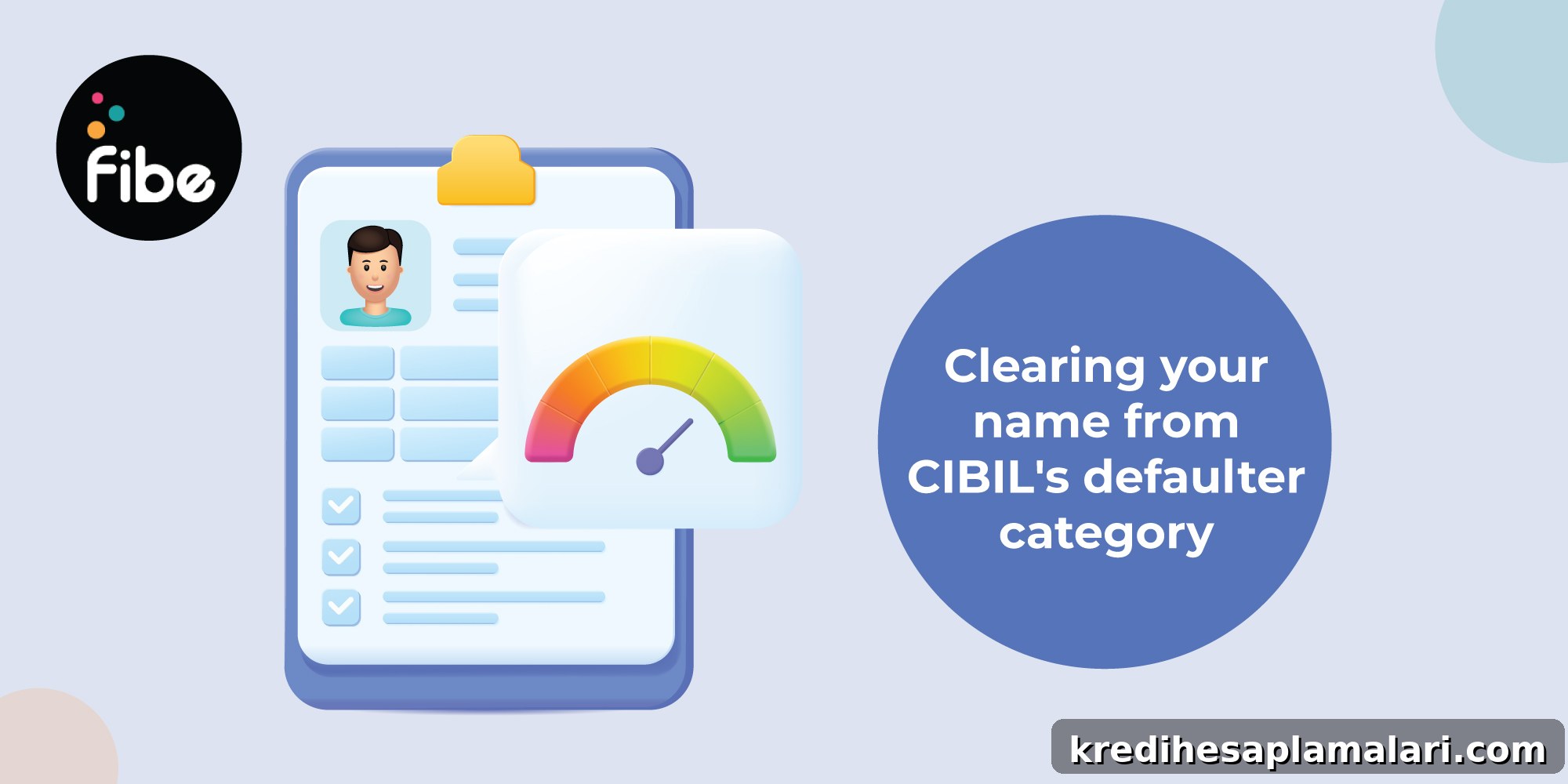
A “written-off” entry on your CIBIL report indicates that a lender has classified your loan as unpaid after you missed EMIs for an extended period—typically between 90 and 180 days. This classification does not cancel your obligation; you still owe the outstanding amount and your credit score will fall significantly. The only way to remove this status is to repay or settle the dues and have the lender report the update to CIBIL.
Understanding how to remove a written-off status from your CIBIL report is essential if you want to improve your chances of obtaining credit in the future. A write-off signals a serious repayment issue and can lead to loan rejections or less favorable credit offers.
Key aspects of a written-off status in a CIBIL report:
- You have missed EMIs on the borrowed amount for several months.
- There have been no repayments for a prolonged period—generally six months or more.
- Your credit score and ability to borrow in the future are likely to be negatively affected.
Read on to learn what a write-off means in detail and practical steps to remove it from your credit report.
What Does Written Off Mean in CIBIL?
Written off in CIBIL means the lender considers the loan to be a probable loss after sustained non-payment. It is an adverse remark that remains on your credit report until the outstanding balance is either cleared in full or settled with the lender. This status does not mean the debt is forgiven—legal recovery and collection actions can still apply until you resolve the liability.
How Does a Written-Off Status Impact Your CIBIL Score?
A written-off status can weaken your credit profile and make borrowing more difficult. Common consequences include:
- Significant score decline: Your CIBIL score can drop substantially—often 50 to 100 points or more—depending on your payment history and the size of the default.
- Reduced approval likelihood: Lenders may reject new loan or credit card applications because the write-off indicates prior repayment difficulties.
- Higher borrowing costs: If a lender does approve credit, it may charge a higher interest rate to offset perceived risk.
- Extended negative impact: The write-off remark can remain on your credit file for several years unless you clear or settle the debt and the lender updates your account status with CIBIL.
How to Remove the Written-Off Status From a CIBIL Report?
Follow these practical steps to resolve a written-off remark on your credit report.
Step 1: Contact your lender
Initiate communication with the lender to obtain the total outstanding amount, including any interest, penalties, or fees.
Step 2: Discuss repayment options
If full repayment is not possible, request a settlement or restructuring plan. Be transparent about your financial situation and negotiate feasible terms.
Step 3: Clear the outstanding dues
Settle the agreed amount—either full repayment or the negotiated settlement—to close the outstanding liability.
Step 4: Collect your NOC/NDC
After payment, obtain a written No Due Certificate (NDC) or No Objection Certificate (NOC) from the lender. This serves as proof that the account has been settled.
Step 5: Ask the lender to update CIBIL
Request the lender to report the updated loan status to CIBIL so the write-off entry can be amended or removed.
Step 6: Verify your CIBIL report
Check your credit report after a few weeks to confirm the status change. If the write-off still appears, raise a dispute with CIBIL and provide the NOC/NDC and payment evidence.
Tips to Avoid ‘Written-Off’ Status in Future
Adopting disciplined financial habits can help you prevent defaults and protect your credit score. Consider these practical measures:
- Plan EMIs thoughtfully: Borrow amounts and choose tenures that match your monthly cash flow.
- Compare lenders: Pick offers with reasonable interest rates and transparent terms.
- Read agreements carefully: Watch for hidden fees, prepayment penalties, or strict default clauses before signing.
- Track expenses: Maintain a monthly budget so you can meet EMI obligations consistently.
- Communicate early: If you anticipate difficulty paying, contact your lender before you miss payments to explore alternatives.
How to Rebuild Your Credit Score After ‘Written-Off’ Status?
Repairing a credit score after a write-off takes time, but steady action can restore your creditworthiness. Recommended steps include:
Step 1: Pay dues on time
Ensure timely payments for any remaining EMIs, credit card bills, and other obligations. Consistent on-time payments are critical to rebuilding your score.
Step 2: Keep credit utilisation low
Aim to use less than 30% of your available credit. Lower utilisation signals responsible credit management.
Step 3: Limit new borrowing
Avoid multiple loan applications in a short period. Apply for credit only when necessary and when you can meet repayment terms.
Step 4: Monitor your CIBIL report
Regularly review your credit report to spot and correct errors. Dispute inaccuracies promptly with supporting documentation.
Step 5: Use small credit products responsibly
Taking and repaying a low-limit credit card or a small personal loan on time can gradually rebuild positive credit history.
Removing a written-off remark requires clearing or settling the debt and ensuring your lender updates CIBIL. With disciplined repayments, careful credit use, and routine credit monitoring, you can gradually repair your credit profile and improve future borrowing options.
FAQs on How to Remove a Written-Off Status from the CIBIL Report
How long does a write-off stay on my CIBIL report?
A written-off status can remain on your CIBIL report for up to seven years unless you repay or settle the dues and the lender updates the record.
Can written-off debt be removed from a credit report?
Yes. The write-off can be removed or updated only after you repay or settle the outstanding debt and the lender reports the change to CIBIL.
How do I clear my written-off amount?
Contact your lender to get the exact outstanding amount, agree on payment or settlement terms, complete the payment, and obtain an NOC or NDC. Ask the lender to submit the updated status to CIBIL so your report reflects the change.