Finance Home Medical Equipment with Fibe Personal Loans
These pandemic times have been stressful for everyone. A cough or a sneeze can cause alarm, and uncertainty hangs over daily life. Hospitals and clinics are strained, with shortages of beds and equipment, and even medical professionals face difficult choices. People are doing their best to follow precautions and protect their families.
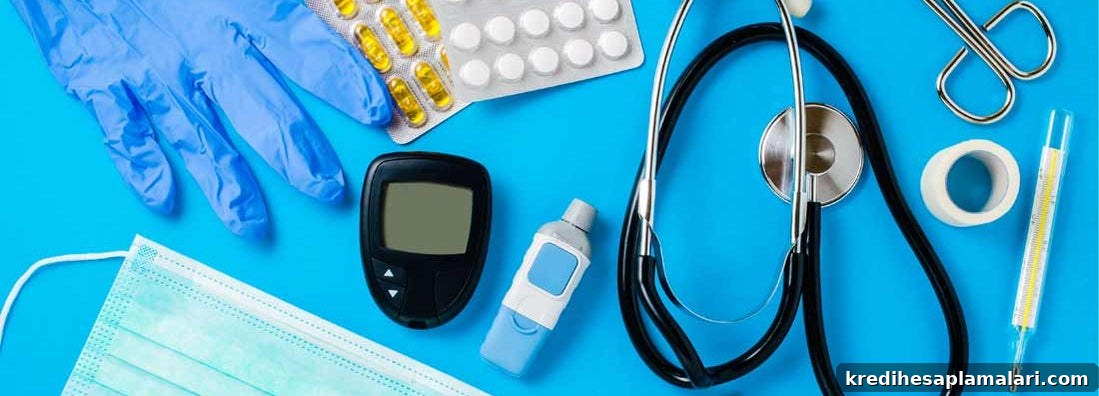
When leaving the house for even minor medical concerns feels risky, many households are choosing to keep basic medical devices at home after consulting healthcare professionals. Having certain tools at hand is not overreacting; it is a practical way to provide first aid, reduce delays, and avoid unnecessary exposure. A few essential home medical devices that make sense to have on hand are described below.
- Blood pressure monitor: Normal blood pressure typically falls around 110/70 to 120/80. Keeping a reliable monitor at home is especially important if a family member has a history of high or low blood pressure. Regular records of measurements help you notice abnormal fluctuations and provide useful information to your doctor when adjusting medications or treatment plans.
- Pulse oximeter: The pulse oximeter has become a common household device during the COVID-19 pandemic and its variants. It measures the oxygen saturation in your blood, which helps indicate whether organs are receiving enough oxygen to function properly. Low oxygen levels (hypoxemia) can lead to organ dysfunction, so early detection is critical. Most pulse oximeters also display pulse rate, allowing you to monitor both oxygenation and heart rate and seek prompt care if values are concerning.
- Thermometer: A thermometer is one of the most essential items for any home. With seasonal changes and routine viral illnesses, monitoring body temperature is a primary step in assessing illness—especially for children and older adults. A fever guide decisions about rest, hydration, and when to seek medical advice. Thermometers are available in digital and traditional formats; choose a dependable one and follow manufacturer instructions for accurate readings.
- Pedometers and weighing scales: Devices that track activity, such as pedometers, and accurate weighing scales help you monitor daily movement and body weight. Maintaining a healthy BMI and staying active are important parts of overall wellness and can reduce risks associated with many chronic conditions.
Health and wellness start at home, but acquiring equipment can be difficult when finances are tight. During unexpected medical situations, quick access to funds can help you buy necessary supplies or get timely care. Financial solutions that offer straightforward application processes and fast disbursal can ease that burden and let you focus on health rather than paperwork.
When choosing home medical devices, consider the reliability of the brand, ease of use, and whether the device meets recognized safety or accuracy standards. Keep clear records of measurements and share them with your healthcare provider during consultations. Routine maintenance—such as replacing batteries and cleaning sensors—helps ensure accurate readings over time.
Finally, remember that home devices support monitoring and early recognition of problems but do not replace professional medical evaluation. If readings are consistently abnormal, symptoms worsen, or you are unsure how to proceed, contact a healthcare professional promptly.
If you are considering financing medical equipment or have questions about credit and loan options, explore reputable lenders that provide transparent terms, simple documentation, and clear repayment plans so you can address your needs without unnecessary stress.