Multiple Loan Applications and Their Impact on Your CIBIL Score
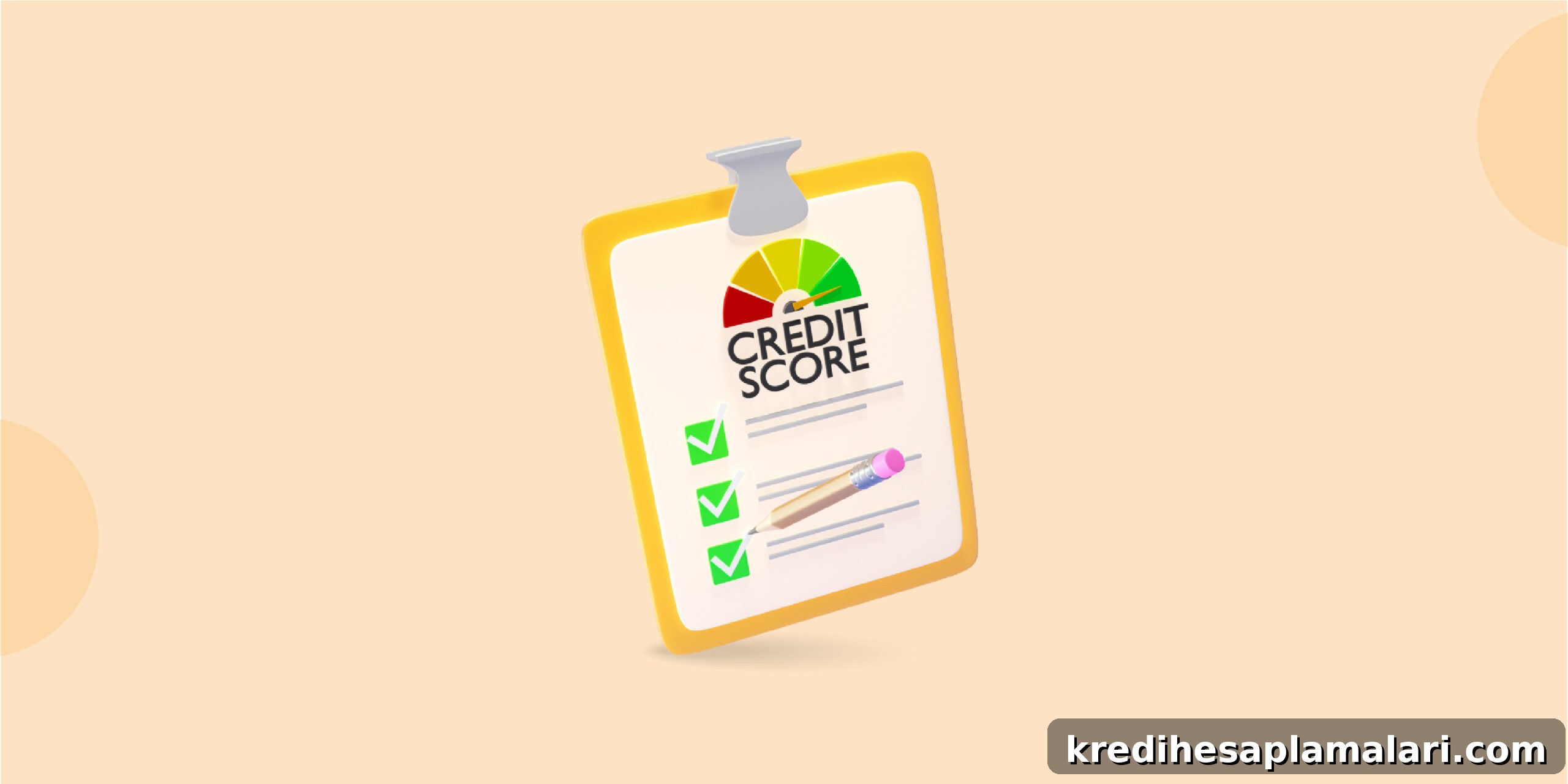
Yes, applying for multiple loans can hurt your CIBIL score, but not always in the way many people expect. While some borrowers believe more applications automatically improve approval odds, frequent loan requests can signal risk to lenders and affect your creditworthiness.
If you’ve wondered how multiple inquiries affect your credit score, this guide explains the mechanics clearly and offers practical strategies to protect your score.
How Multiple Applications Affect Your Credit Health
When you apply for a loan or credit card, lenders generally perform a hard inquiry on your credit report. Here’s how those inquiries influence your profile:
- Each application typically generates a hard inquiry that is recorded on your credit report.
- These inquiries are visible to future lenders and factor into how they assess your risk.
Example: If you apply for three personal loans within two days, each lender will usually perform a separate check and all three inquiries will appear on your report.
Frequent Applications Can Lower Your Score
Multiple applications within a short period can raise red flags. Lenders may interpret repeated inquiries as a sign that you are “credit hungry” or under financial stress, which increases perceived risk.
Example: Someone who applies to five lenders after one rejection may look financially strained to prospective lenders.
- Temporary drop in your CIBIL score
A single inquiry might lower your score by a small amount (often a few points, roughly 5–10). Repeated checks can magnify this effect.
Example: One inquiry may cause a minor dip; six inquiries in a week can produce a noticeable decline.
- Creates a negative perception for lenders
A high number of recent inquiries suggests financial instability, which may reduce approval chances even if your score remains relatively high.
Example: A borrower with a 750 score but eight recent inquiries may face increased caution from lenders.
- Short-term vs long-term impact
The impact of multiple credit inquiries is usually short-term. If you stop applying and maintain good payment behavior, your score often recovers within a few months.
Example: If you pause applications and pay EMIs on time, your score can rebound in about 3–6 months.
- Loan-shopping exception (rate shopping window)
Credit bureaus commonly treat multiple inquiries for the same type of loan (for example, mortgage or auto) within a short window as a single inquiry. In such cases, the impact is minimal.
Example: Comparing offers from four banks for a home loan over two weeks may be counted as one inquiry.
- Cumulative effect matters more
A couple of inquiries are unlikely to harm your credit, but repeated, scattered applications over time significantly increase the negative effect on your CIBIL score.
Example: Applying monthly for different loans signals instability and can raise concerns for lenders.
- Your credit behavior still matters most
Though multiple inquiries affect your score, repayment history and credit utilization have greater influence. Missed payments and high utilization will hurt your score more than a few inquiries.
Example: A borrower with two inquiries but missed EMIs will generally have a worse score than someone with four inquiries and flawless repayments.
Smart Ways to Apply for Loans
To avoid unnecessary harm to your credit profile, apply strategically:
- Check eligibility before applying
Use eligibility calculators or pre-check tools to reduce unnecessary rejections and limit hard inquiries.
Example: Many lenders and fintech apps provide “approval chance” indicators before you submit an application.
- Space out your applications
Avoid multiple applications in a short span. Give yourself at least 3–6 months between credit applications where possible to reduce inquiry impact.
- Research lenders beforehand
Compare interest rates, terms, and eligibility criteria before applying so you only apply to lenders where you meet the requirements.
Example: Apply selectively to lenders where your profile matches their criteria rather than submitting numerous blind applications.
- Use pre-approved offers
Pre-approved loan or card offers typically use soft inquiries, which don’t affect your credit score. Accepting such offers minimizes hard inquiry impact.
Example: Pre-approved offers visible in your banking app are often based on soft checks.
- Maintain a strong credit profile
A solid credit score (750+) reduces the need to apply repeatedly. Good repayment history and low utilization help absorb the effect of occasional inquiries.
Example: Borrowers with higher scores usually need only one or two attempts to get approved.
- Avoid panic applying after rejection
One rejection does not justify applying everywhere immediately; this behavior amplifies the negative impact of multiple inquiries.
Example: Rather than reapplying right away, address the reasons for rejection and improve your profile first.
- Monitor your credit report regularly
Regularly reviewing your credit report helps you see how inquiries affect your score and allows you to adjust your strategy accordingly.
Example: If you notice score dips after applications, you can pause new requests and focus on paying down balances.
Final Takeaway
How do multiple inquiries affect your credit score in practice? They matter, but only when overdone. A few well-planned applications won’t harm your score significantly. However, frequent, scattered applications can lower your score and reduce approval odds. The best approach is simple: apply smart, not often.
FAQs on Multiple Credit Checks Impact
Do loan applications affect my CIBIL score?
Yes. Each loan application typically results in a hard inquiry, which can slightly lower your score. The impact becomes more visible if you apply frequently.
Is having multiple loans bad for my credit score?
Not necessarily. Multiple loans are acceptable if managed responsibly. The effect on your CIBIL score is influenced more by how often you apply and how you manage repayments than by the number of loans alone.
How much does a loan inquiry reduce my CIBIL score?
Generally, a single inquiry might reduce your score by about 5–10 points. Repeated inquiries increase the cumulative effect.
How long do loan inquiries stay on my CIBIL report?
Hard inquiries remain on your credit report for up to two years, but their influence declines over time. The strongest impact is usually during the first few months after the inquiry.