RBI Strengthens E‑Wallet Security: How to Prevent Fraud
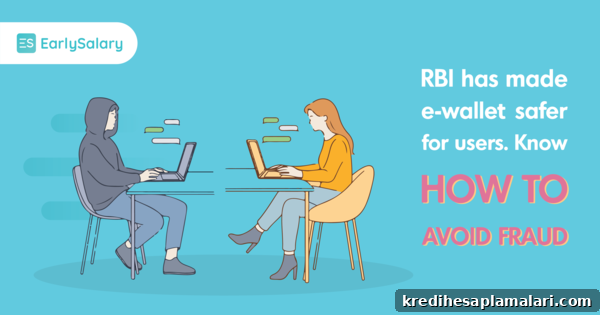
Highlight: Learn how to set up an e-wallet with RBI guidelines for a safer and user-friendly experience.
The Reserve Bank of India (RBI) has been updating its digital payments framework to match India’s evolving payment landscape. One major initiative was the plan to link India’s Unified Payments Interface (UPI) with Singapore’s PayNow to strengthen cross-border payment infrastructure; the RBI had targeted implementation around July 2022. This type of integration reflects broader efforts to make digital payments faster, interoperable and more convenient for users.
Fintech adoption in India accelerated after key events such as the 2016 demonetisation and the COVID-19 pandemic. Demonetisation encouraged consumers to move away from cash toward digital instruments, while the pandemic prompted many people to prefer contactless and digital payment methods for safety. As a result, e-wallets and UPI-based payments became part of everyday life for millions of Indians.
Alongside rapid adoption, fraud and scams rose, causing concerns among users. Surveys showed significant consumer skepticism: many people reported worrying about security when switching to digital payments, and a notable share of e-wallet users experienced financial fraud within a year. KYC-related scams and phishing attempts also increased during the pandemic, making it important for consumers to understand safety measures and RBI rules that protect their money.
To address these risks, the RBI issued guidelines that assign certain responsibilities to e-wallet providers and set timelines for resolving complaints and refunding victims of unauthorised transactions. Under these rules, wallet providers are generally liable for fraud, provided customers report incidents within specified timeframes. If a genuine loss is reported promptly, the provider must refund the amount within a defined period and resolve complaints within an established window.
RBI’s guidelines for safer transactions
The RBI has set out rules and best practices that both providers and users should follow to reduce fraud and improve the security of mobile wallets. Key points from the circular include:
- Transaction-related SMS and alerts must include contact details—an email or phone number—so customers can report unauthorised transactions quickly.
- Customers should register for SMS alerts, emails, and push notifications from mobile wallet providers (for example, Paytm, PhonePe, Amazon Pay) to monitor activity and detect suspicious transactions early.
- Mobile wallet companies are encouraged to operate a 24/7 customer-care helpline to enable rapid reporting of fraud or loss.
- Security measures for e-wallets should be at par with those for debit and credit cards, maintaining robust protection for customers.
- If an unauthorised transaction is reported within three days and the wallet company is found responsible, the entire amount must be refunded to the customer.
- Wallet providers are expected to initiate refunds even if a customer fails to report a fraudulent transaction under certain conditions defined by the provider and overseen by the RBI.
- If the fraud is reported between four and seven days, the customer must be compensated up to the transaction value or Rs 10,000, whichever is lower.
- Fraud reported after seven days will be handled according to the wallet provider’s policy, subject to RBI oversight.
- Transactions should employ two-factor authentication—typically an OTP and a password or PIN—to reduce the chance of unauthorised transfers.
- Customers are advised not to use public Wi-Fi or unsecured networks when accessing wallets to prevent data interception.
- Regularly reviewing transaction history and statements is recommended so users can spot and report any irregular activity promptly.
These guidelines aim to make e-wallets safer and more trustworthy, enabling users to transfer and receive funds across wallets and providers with greater confidence. However, no system is entirely immune to fraud, so user awareness and prompt reporting remain essential parts of protection. Consumers should promptly report suspicious calls, messages or transactions and follow recommended safety practices to help reduce the incidence of fraud.
If you are affected by a wallet-related fraud and need funds before the wallet provider completes its resolution process, some personal finance services offer short-term salary advances or loans to cover immediate needs. Consider reputable, regulated options and check the terms carefully before borrowing.
Download the personal loan app or log in to the provider’s portal to explore available short-term assistance and learn more about secure digital payment practices.