Motor Insurance in India: Types, Coverage Explained and Why It Matters
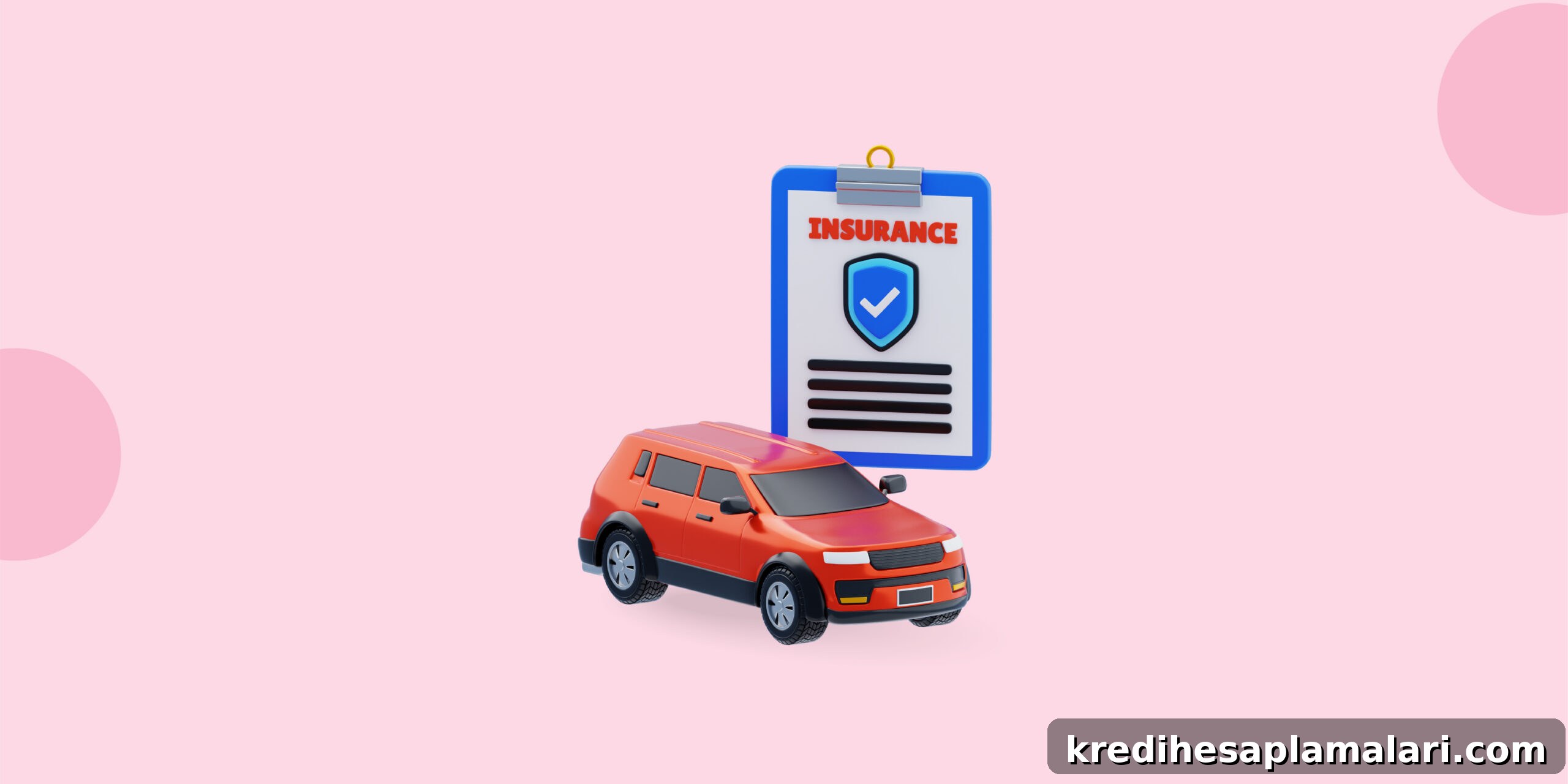
Motor insurance protects you from the financial consequences of vehicle accidents, theft, or damage you cause to others. In India, third-party motor insurance is mandatory under the Motor Vehicles Act, 1988. Whether you are trying to understand what a policy covers, compare plans, or renew online, this guide offers a clear, practical overview.
Motor insurance is a contract between a vehicle owner and an insurance company. When your vehicle is damaged or causes damage, the insurer bears the financial burden instead of you paying out of pocket.
The Motor Vehicles Act, 1988 requires third-party motor insurance for every vehicle that uses public roads. That includes cars, motorcycles, trucks and other motor vehicles. Driving without the required cover can result in fines, licence suspension and, in severe cases, legal penalties.
Why Motor Insurance Matters — The Numbers
Road accidents remain a significant public safety issue in India. In 2022 there were around 4.61 lakh road accidents and 1.68 lakh fatalities, averaging roughly one accident every 68 seconds.
Despite the legal requirement, a large portion of vehicles remain uninsured. Out of more than 36 crore registered vehicles, roughly 18 crore do not have the mandatory third-party cover. This exposes owners to major financial risk.
Even a minor repair can cost between ₹15,000 and ₹30,000. In more serious crashes involving injuries, third-party liability claims, especially those that proceed to Motor Accidents Claims Tribunals (MACT), can result in payouts running into lakhs of rupees. Motor insurance shifts that financial exposure from you to the insurer.
How Motor Insurance Works
To buy motor insurance you declare your vehicle details, choose a plan and pay an annual premium. Insurers determine premiums using several factors:
- Vehicle type and engine capacity (CC)
- Vehicle age and Insured Declared Value (IDV)
- Type of cover: third-party or comprehensive
- Optional add-ons
- No Claim Bonus (NCB), a discount that increases with claim-free years
The Insurance Regulatory and Development Authority of India (IRDAI) regulates the motor insurance market, sets third-party premium rates and defines the framework for claim processing. When making a claim, you can opt for a cashless repair at a network garage, where the insurer pays the garage directly, or a reimbursement claim, where you pay first and are later reimbursed.
Types of Motor Insurance in India
There are three primary types of motor insurance commonly purchased in India:
Third-Party Insurance
This is the legal minimum required by law. It covers injury, death or property damage caused to a third party. Premium rates for third-party cover are fixed by the regulator and are uniform across insurers.
Comprehensive Insurance
Comprehensive cover includes third-party liability plus protection for damage to your own vehicle from accidents, fire, theft and natural disasters. For most buyers, comprehensive policies are the benchmark when comparing plans.
Own Damage (OD) Cover
OD is a standalone policy that covers damage to your vehicle only. It must be purchased alongside a third-party policy if you require both protections. OD is useful for splitting cover across different insurers.
Motor Insurance: Coverage Comparison
| Feature | Third-Party Only | Comprehensive | Own Damage (OD) |
|---|---|---|---|
| Legally mandatory | Yes | No (recommended) | No |
| Third-party injury/death | Yes | Yes | No |
| Third-party property | Yes | Yes | No |
| Own vehicle damage | No | Yes | Yes |
| Theft of vehicle | No | Yes | Yes |
| Natural calamity damage | No | Yes | Yes |
| Premium set by IRDAI | Yes | No | No |
| Add-ons available | No | Yes | Yes |
What Is and Is Not Covered
A comprehensive motor insurance plan generally includes:
- Accidental damage to your vehicle
- Fire, explosion and self-ignition
- Theft of the vehicle
- Damage from natural calamities such as floods, earthquakes, cyclones and landslides
- Third-party bodily injury or death
- Third-party property damage
Common exclusions include:
- Driving under the influence of alcohol or drugs
- Driving without a valid licence
- Mechanical or electrical breakdowns unrelated to an accident
- Normal wear and tear
- War or nuclear events
- Using a private vehicle for commercial purposes without declaring it
How to File a Motor Insurance Claim
The claim process is straightforward when you follow the steps:
- Inform the insurer immediately: Call the insurer’s 24/7 helpline as soon as the incident occurs. Delayed intimation can complicate claim settlement.
- File an FIR if required: Accidents involving injury, death or theft generally require a police FIR before the claim proceeds.
- Document the scene: Photograph the vehicle, accident site and any third-party damage before moving vehicles or starting repairs.
- Opt for a cashless garage: Select a network garage from your insurer’s list so the insurer pays the garage directly; you pay only the deductible, if applicable.
- Wait for the surveyor: The insurer will send a surveyor to assess damage. Do not begin repairs before the surveyor inspects the vehicle, as this can lead to claim denial.
- Settlement: After approval, the insurer settles the bill with the cashless garage. For reimbursement claims, you will receive payment after verification.
Theft or total-loss claims require additional documentation and settlements are typically based on the vehicle’s IDV.
A Real-World Example
Priya owns a four-year-old compact SUV with an IDV of ₹7,00,000. She has a comprehensive policy with zero depreciation and an engine-protect add-on. During the monsoon, her vehicle suffered engine damage from waterlogging. She contacted her insurer, documented the damage and took the car to a network garage for a cashless repair.
The approved repair cost was ₹58,000 for parts and labour. Because she had the engine-protect add-on, the claim was valid; without it, waterlogging-related engine damage would likely have been excluded. She paid the ₹1,000 compulsory deductible and the insurer covered the rest. The add-on effectively saved her ₹57,000.
Motor Insurance Renewal — What to Know
Renewal deserves careful attention because lapsing a policy has consequences. A lapsed policy can cause loss of NCB, may require a vehicle re-inspection and leaves you driving uninsured, which is an offence.
- NCB builds up to 50% on the own damage premium after five consecutive claim-free years; a lapsed policy wipes out this benefit.
- Always compare offers before renewing — your current insurer may not offer the best renewal premium.
- NCB belongs to you, not the insurer: request an NCB certificate and transfer it if you switch insurers.
- Online renewals are typically instant and issue digital policy documents in minutes.
- Renew at least a week before expiry to avoid a mandatory re-inspection.
NCB Discount Schedule (Own Damage Premium)
| Consecutive Claim-Free Years | NCB Discount |
|---|---|
| 1 year | 20% |
| 2 years | 25% |
| 3 years | 35% |
| 4 years | 45% |
| 5 years or more | 50% |
Add-Ons Worth Considering
Not every add-on justifies its cost, but some commonly deliver good value depending on your vehicle and driving conditions.
Motor Insurance Add-Ons: What They Cover
| Add-On | What It Covers | Best For |
|---|---|---|
| Zero Depreciation | Full part value at claim time, without depreciation deductions on plastic, rubber or glass parts | Vehicles under five years old |
| Engine Protect | Covers engine damage caused by waterlogging or oil leakage | Areas prone to heavy monsoon flooding |
| Roadside Assistance | 24/7 help for breakdowns, flat tyres and emergency fuel | Frequent highway or outstation drivers |
| Return to Invoice | Pays the original invoice value in case of total loss or theft | New vehicles or vehicles with active loans |
| NCB Protection | Preserves your No Claim Bonus even after one claim in a policy year | Drivers with multiple claim-free years |
How to Compare and Buy Motor Insurance
Comparison platforms simplify choosing a policy by listing plans from multiple insurers in one place, showing premiums, coverage, add-on options and cashless garage networks. Such platforms typically let you buy or renew policies online with instant digital issuance. Comparing before purchase or renewal helps ensure you get the best value for your needs.
FAQs on Motor Insurance
1. What is motor insurance and why is it compulsory in India?
Motor insurance is a contract covering financial losses from accidents, theft or third-party damage. Third-party motor insurance is mandatory under the Motor Vehicles Act, 1988 for all vehicles on Indian roads.
2. What is the difference between third-party and comprehensive motor insurance?
Third-party insurance covers damage or injury you cause to others. Comprehensive insurance includes third-party cover plus protection for your own vehicle. For vehicles under five years old, comprehensive cover is generally worth the additional premium.
3. What is IDV in motor insurance?
IDV (Insured Declared Value) is the approximate current market value of your vehicle and represents the maximum payout for theft or total loss claims. Underinsuring to save a small premium can lead to significant shortfalls when you claim.
4. How do I renew motor insurance online?
You can renew via your insurer’s website or through a comparison platform. Online renewals are usually quick and policies are issued digitally. Always compare available options before renewing.
5. What is a cashless garage in motor insurance?
A cashless garage is an authorised workshop in your insurer’s network. The insurer pays the garage directly after claim approval and you pay only any deductible. Cashless repairs eliminate the need for large upfront payments.
6. What is the fine for driving without motor insurance in India?
Under the Motor Vehicles (Amendment) Act, 2019, the fine is ₹2,000 for a first offence and ₹4,000 for a repeat offence. The vehicle may also be impounded.
7. Can I keep my NCB if I sell my car and buy a new one?
Yes. NCB belongs to you, not the vehicle. Request an NCB certificate from your insurer when you sell the car and apply it to your new policy. You typically have up to three years from the old policy’s expiry to use it.
8. What is a voluntary deductible, and does it lower my premium?
A voluntary deductible is an amount you agree to pay at claim time in addition to the compulsory deductible. Choosing a higher voluntary deductible reduces your premium but increases your out-of-pocket expense when you claim. It suits drivers who rarely claim.
9. Does motor insurance cover damage if someone else drives my car?
Yes, provided the driver had your permission and a valid driving licence. The claim is made under your policy and may affect your NCB at renewal.
10. What documents should I carry while driving?
Carry the vehicle registration certificate (RC), a valid driving licence, proof of insurance (digital copy accepted) and a valid PUC certificate. Not carrying these documents during a police check can result in fines.
11. Can I insure an electric vehicle under a standard motor insurance policy?
Yes. Electric vehicles can be covered under third-party and comprehensive policies. Premiums may differ because the battery pack affects the IDV. Some insurers offer EV-specific add-ons that cover battery-related damage.
12. Is motor insurance valid if I drive to Nepal or Bhutan?
Not by default. You need an extension endorsement from your insurer before travel. Domestic policies generally do not cover travel to other international destinations without special endorsements.