Are Your Personal Data Safe with Instant Loan Apps? What to Know
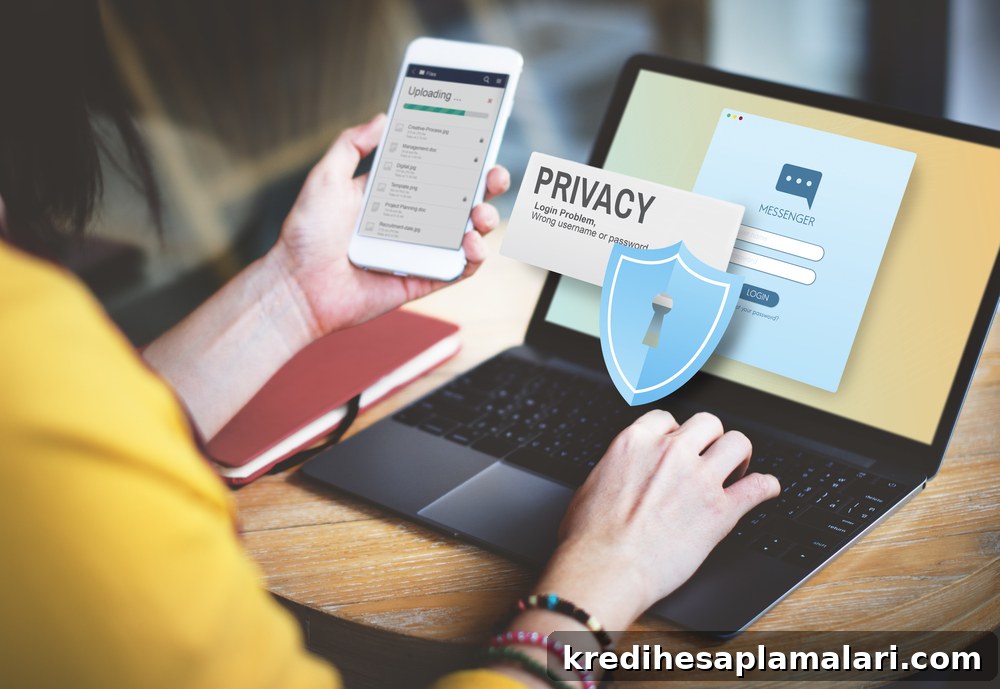
If you’re considering downloading a loan app, your first question is likely: is it safe to use? The short answer is yes—provided you choose an app backed by an RBI-registered bank, NBFC, or a trusted lender. Instant loan apps make borrowing fast and convenient, but like any digital service, they require careful selection to avoid scams and hidden risks.
Instant loan apps remove the need to visit a bank branch. From submitting an application to receiving funds, the entire process can be completed online within minutes. These apps have simplified access to credit, especially for urgent needs. At the same time, incidents of fraud make it important to take a few simple verification steps before you install and use a loan app.
How to Ensure You Are Using a Safe Loan App?
1. Verify the lender’s website and physical address
Always confirm that the app is associated with a registered financial institution. Reliable apps will clearly display:
- The lender’s official name
- Contact information including phone number and email
- A legitimate physical office address
- A link to an official company website
If any of these details are missing, treat the app with caution and consider other options.
2. Confirm RBI registration
Genuine loan apps will be linked to RBI-registered banks or NBFCs and will clearly state their lending partner. If an app hides this information or cannot verify its registration, treat it as a red flag. You can also report suspicious apps through official RBI channels to help protect other users.
3. Review the permissions the app requests
Carefully evaluate the permissions an app asks for before installation:
- Appropriate requests: PAN, Aadhaar and KYC documents required for loan processing
- Red flags: requests for access to your photos, contacts, or emails when these aren’t needed
- Trusted lenders use multiple layers of encryption and secure storage to protect your data
4. Read reviews and check ratings
Spend a few minutes reviewing user feedback on the app store and other review platforms. Look for:
- High ratings and recent positive reviews
- Mentions of quick disbursal, transparent terms, and responsive customer support
- Warnings about aggressive recovery practices, hidden charges, or unverifiable credentials
Apps with repeated complaints about harassment or undisclosed fees should be avoided.
If you need an urgent, reliable loan app, choose an established provider that combines quick disbursal with strong data protection. A reputable app will clearly outline loan amounts, interest rates, fees, and repayment schedules before you accept any offer.
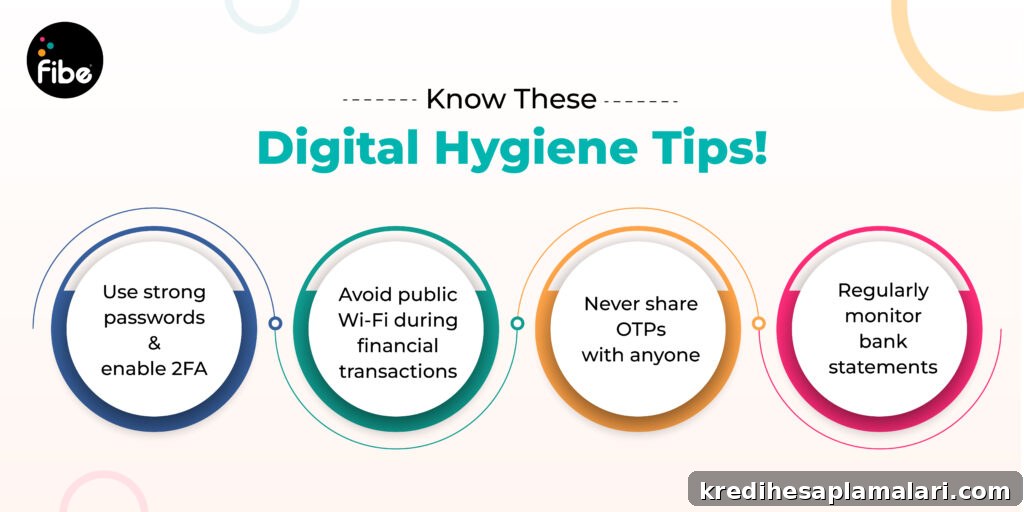
FAQs on the Safety of Loan Apps
Are instant loan apps safe?
Yes, when you use apps from RBI-registered banks, NBFCs, or well-known fintech lenders. Verify credentials before sharing personal information.
How safe is it to take an online loan?
Online loans are safe if you borrow from authentic lenders, carefully review the loan terms, and confirm secure handling of your documents.
Can a loan app access my bank account?
No. A legitimate app will use secure, authorised third-party services for account verification and will not directly access your bank account without clear consent and secure protocols such as masked account details or one-time permissions.
Is it safe to share documents on loan apps?
Yes—when the app is from an authorised lender. Trusted providers encrypt documents and follow data protection best practices to keep your personal information secure.
What should you avoid when taking a loan?
- Accepting loans without reviewing repayment terms and total costs
- Borrowing at extremely high interest rates or unclear fees
- Using apps that do not disclose RBI registration or lender credentials
What are instant loan apps and why exercise caution?
Instant loan apps are mobile applications offered by banks, NBFCs, or fintech companies to provide quick credit. While many are legitimate, fraudsters sometimes create lookalike apps to collect sensitive data or demand unlawful charges. Always verify an app’s authenticity before you share personal details or sign agreements.