Investing in Employee Wellbeing: Beyond Just Their Job
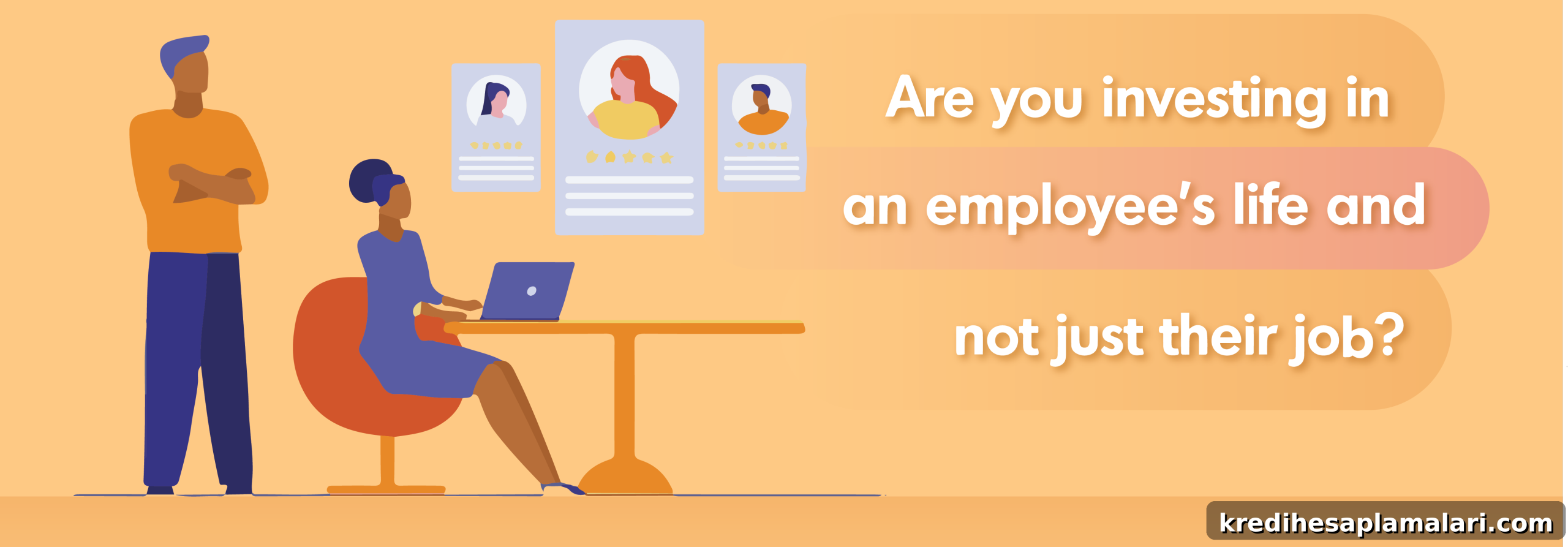
Highlight: Employers are increasingly adopting a holistic approach to employee welfare that goes beyond job performance.
Until about a decade ago, many companies prioritized only the capital their businesses generated, often at the expense of employees’ emotional and physical wellbeing. HR practices have evolved since then, and organisations now recognise that company growth and employee welfare must go hand in hand.
Today, HR teams are expected to support employees throughout their careers. The pandemic, however, introduced new challenges: employees faced intense pressure, blurred boundaries between work and home, and rising mental health concerns. These shifts force HR to rethink whether doing the bare minimum is enough, and whether a genuinely holistic approach is required to support employee wellbeing in and out of the workplace.
The limits of the “work-life” balance
We have moved far from the 19th-century view of workers as mere machines. The rise of human resource management brought focus to workplace culture, ethics, and employee welfare. Yet the pandemic revealed the shortcomings of traditional approaches. Many employees experienced burnout, anxiety and digital overload as remote work merged private and professional life.
While some reported stable or slightly increased productivity during this period, that productivity often came at a significant personal cost. A Microsoft study highlighted the strain on Indian workers:
- 62% reported that employers demanded too much in terms of hours and workload.
- 13% felt their employer did not care about their work-life balance.
- 57% felt overworked.
- 32% reported exhaustion due to workload.
The younger workforce, in particular, struggled with the pandemic’s pressures. These findings underline the need for solutions that move beyond a narrow “work-life balance” and address employee wellbeing more comprehensively.
What lies beyond the bare minimum?
The pandemic has permanently blurred the lines between home and work, calling for a redefinition of work-life balance. Employers who want their teams to perform at their best must consider employees’ personal lives. Family circumstances, caregiving responsibilities and home stressors can significantly affect an employee’s ability to concentrate and contribute at work.
Companies that broadened their focus discovered that helping employees’ households often supports better work outcomes. When families have stability and access to resources, employees can be more present and productive on the job.
From work-life balance to full-life balance
Redefining priorities means supporting employees’ full lives, not just their professional responsibilities. Organisations adopted varied approaches to ease pandemic-related burdens on staff and their families.
Some employers noticed that many employees’ partners lost jobs and that children faced disruptions to schooling. To address educational gaps, certain companies opened their learning and development resources to employees’ families, and some even provided spare laptops so children could participate in remote learning.
Other employers recognised increased strain on personal relationships and offered counselling or therapy sessions for employees and their partners to help manage heightened stress and relationship challenges.
Job loss posed another major problem. Several companies assisted furloughed staff by helping them find temporary placements with hiring organisations. Some employers went further: executives accepted pay cuts and boards waived compensation to protect employee jobs or support rehiring once conditions improved. These measures helped ease financial anxiety and demonstrated a commitment to employee welfare beyond immediate business needs.
Conclusion
These examples show how employers have started to look beyond what employees deliver at work and view them as whole people whose lives outside the office matter. By adopting broader, more humane policies, organisations can create environments that enable employees to thrive, which in turn benefits the company.
At Fibe, our corporate employee benefits program aims to transform credit access for salaried professionals by offering instant digital salary advances. Our corporate partnerships for employee wellness programs are designed to provide meaningful support and practical options for today’s workforce.