What Determines Instant Loan Eligibility: Key Factors Explained
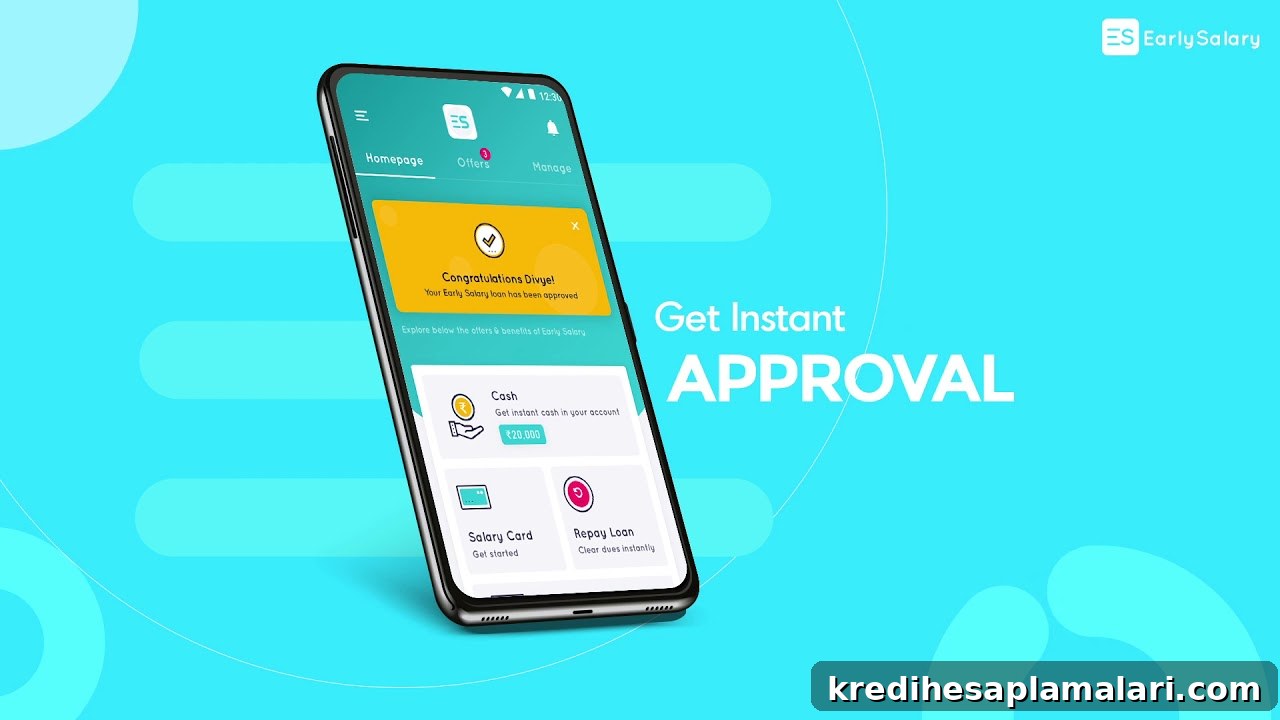
Planning to take a loan and wondering if you qualify? Lenders set specific eligibility standards, so getting an instant loan depends on meeting those conditions. Before diving into details, let’s cover the basics.
What is an instant loan?
An instant loan is a short- or medium-term loan designed to help individuals meet urgent financial needs. It is a convenient option for covering unexpected expenses, consolidating high-interest debt, funding weddings or education, making big purchases, or managing travel costs.
Typically offered by banks and non-banking financial companies (NBFCs), instant loans are granted under pre-agreed terms and interest rates, with faster approval and minimal paperwork compared to traditional secured loans.
Why choose an instant loan?
When faced with immediate financial needs, you want an option that is affordable and easy to repay. Instant loans often provide quick access to funds without requiring collateral, making them a practical choice when time and convenience matter.
These loans usually involve a streamlined application process and rapid disbursement, helping you avoid lengthy searches for alternatives. However, approval still depends on meeting the lender’s eligibility criteria, which can vary across providers.
5 factors that affect eligibility for an instant loan online
1. Age
Lenders consider age to ensure borrowers have sufficient working years ahead to repay the loan. Generally, applicants in the 21–55 age range are preferred. For many lenders, salaried applicants typically fall within 23–58 years, while self-employed non-professionals are often accepted between 28–65 years. Exact ranges vary by lender.
2. Minimum salary
Because instant loans are usually unsecured, your monthly income and repayment capacity are crucial. Income requirements differ by location—metro (Tier-1) and non-metro (Tier-2) areas may have different thresholds. Applicants with longer work histories are often seen as more financially stable. At Fibe, the minimum salary requirement is ₹18,000 in Tier-1 cities and ₹15,000 in Tier-2 cities.
3. CIBIL score
A good credit score is important for loan approval. A CIBIL score is a three-digit number reflecting your creditworthiness and repayment history; it typically ranges from 300 to 900. Higher scores indicate lower lending risk and improve your chances of approval and better loan terms. Lenders often rely on this score, though some review additional factors when assessing applications.
4. Liabilities
Existing liabilities play a major role in approval decisions. Lenders assess your debt-to-income ratio to determine whether you can manage new loan repayments alongside current obligations such as credit card balances, home or auto EMIs, and other debts. If a large portion of your income already goes toward debt repayment, approving another loan may be difficult.
5. Work experience
Your employment history and stability affect the lender’s assessment of your future earning potential. Minimum experience requirements vary, but having 2–3 years of overall work experience and at least one year with your current employer improves your prospects for approval.
Understanding these eligibility factors helps you evaluate your chances before applying for an instant loan. If you need funds for a medical emergency, wedding, vacation, education, or to purchase household items, a personal loan from Fibe can be a reliable option to manage both urgent and planned expenses. Check availability based on your profile and choose the option that best fits your needs.