7 Alternatives to Overcome a Low Credit Score
This article outlines seven practical alternatives for borrowers facing a low credit score in India, including NBFC loans, fintech lenders with alternate scoring, secured loans, peer-to-peer lending, credit-builder products, co-applicants or guarantors, and options from your existing lender. Three real borrower examples show how these choices work in practice. Read time: approximately 6 minutes.
Applying for credit with a CIBIL score below 650 can be discouraging. Banks often decline applications, sometimes without clear reasons. However, a low score does not mean you have no access to regulated credit. Several responsible options exist that evaluate factors beyond the raw credit score.
This guide explains seven practical alternatives for bad credit scores in India, who each option suits, and what to watch out for when you need funds but your credit profile is weak.
What is a Bad Credit Score in India?
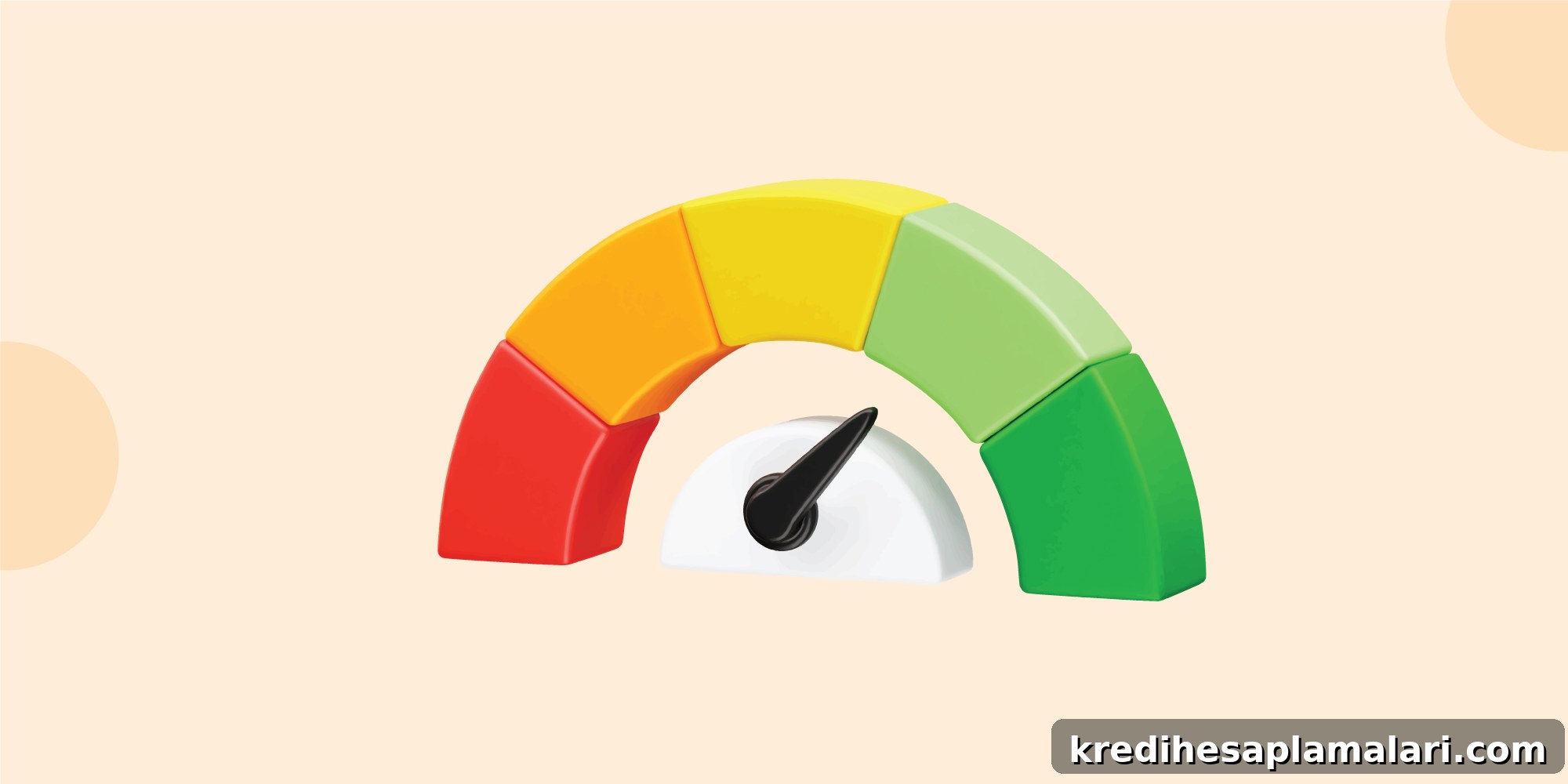
The CIBIL score ranges from 300 to 900. Scores below 650 are generally considered poor or subprime. Between 651 and 730 is near-prime, while many lenders prefer 750 and above for unsecured personal loans. Scores can fall because of missed EMIs, credit utilisation above 30%, multiple loan applications in a short period, or past defaults.
QUICK STAT
Approximately 119 million Indians had checked their CIBIL score at least once as of March 2024, a significant year-on-year increase led by younger borrowers. Under rules effective January 2025, lenders must update credit data to bureaus more frequently, so responsible repayments now reflect faster in your score.
| CIBIL Score Range | Category | What Lenders Typically Say |
|---|---|---|
| 300 to 649 | Poor / Subprime | Banks decline; NBFCs and secured loans are more accessible |
| 650 to 699 | Fair / Near-Prime | Some NBFCs approve with conditions; fintech lenders viable |
| 700 to 749 | Good | NBFCs and digital lenders approve; many banks remain cautious |
| 750 to 900 | Excellent / Prime | Full access at competitive rates |
Alternative 1: NBFC Loans
Non-Banking Financial Companies regulated by the Reserve Bank of India are often the most accessible lenders for borrowers with poor credit. NBFCs typically consider income, employer type, employment tenure and recent repayment behaviour alongside CIBIL. For example, Kavya, 27, a teacher from Chennai with a CIBIL score of 610 after two late credit card payments, was declined by her bank but approved by an NBFC for ₹60,000 at 22% per annum over 12 months after submitting payslips. Timely repayment helped raise her score by about 55 points. NBFC personal loans for subprime borrowers typically range from around ₹10,000 to ₹5 lakhs at higher interest rates than banks but with greater accessibility.
Alternative 2: Fintech Lenders with Alternate Scoring
Fintech platforms often use alternate data—income patterns, UPI transaction history and employment type—to assess creditworthiness. This approach benefits young salaried applicants or those with thin credit files, offering quick approvals and loan amounts up to several lakhs. Always verify the lending entity is an RBI-registered NBFC before sharing sensitive personal data, and confirm the platform’s documentation and fees.
Alternative 3: Secured Loans
If you own a fixed deposit, gold or a life insurance policy, borrowing against these assets can bypass CIBIL limitations. Collateral reduces lender risk, improving approval odds and often lowering interest rates. Common secured options include loans against fixed deposits, gold loans and loans against the surrender value of insurance policies. Rahul, 34, from Hyderabad, had a CIBIL score of 590 and needed ₹1.5 lakhs for home repairs; by pledging gold jewellery he received ₹1.2 lakhs the same day without a credit check. Secured loans are an effective, underused option for borrowers with poor credit.
PRO TIP
Loan against a fixed deposit is frequently the cheapest borrowing option regardless of credit score because the deposit continues to earn interest while serving as collateral. If you have an FD, check this option first.
Alternative 4: Peer-to-Peer Lending
Peer-to-peer platforms connect borrowers with individual lenders and operate under RBI licensing as NBFC-P2P entities. P2P is typically more flexible than banks for applicants with scores below 700. Loan sizes commonly range from around ₹10,000 to ₹5 lakhs. Before borrowing, confirm the platform’s registration and read the Key Fact Statement detailing fees, default handling and risk disclosures.
Alternative 5: Credit Builder Loans
Credit builder loans are designed for those with no credit history or very low scores. The lender holds the loan amount in escrow while the borrower makes monthly repayments; the principal is released at the end of the term. Each payment is reported to credit bureaus, helping establish a positive repayment record. For instance, Preeti, 24, from Bengaluru, had no credit history and took a ₹15,000 credit builder loan over 12 months; consistent on-time payments raised her score to the low 700s. Typical credit builder loans range from ₹5,000 to ₹50,000 over six to 24 months—the real benefit is the repayment history you build.
Alternative 6: Apply with a Co-Applicant or Guarantor
A co-applicant shares the loan account and is equally liable, while a guarantor agrees to repay if you cannot. A partner with a strong credit score and steady income can significantly improve approval chances and may secure better interest rates. However, both parties must understand the legal liability: missed payments or default harm the co-applicant’s or guarantor’s credit and financial standing. Discuss responsibilities and contingencies thoroughly before applying together.
Alternative 7: Borrow from Your Existing Lender
Your current bank or NBFC already sees salary inflows, account balances and repayment patterns. Many lenders offer pre-approved loans, overdrafts or higher limits to existing customers even if their CIBIL score would not qualify them as a new applicant. Contact your relationship manager to explore such offers before applying to other lenders.
How Long Does It Take to Improve a Bad Credit Score?
With consistent on-time repayments and keeping credit utilisation below 30%, most borrowers see meaningful improvement within 6 to 12 months. Reaching a score of 750 and above usually requires 18 to 24 months of disciplined repayment and prudent credit use. Short-term borrowing solutions help meet immediate needs, but rebuilding credit is a medium-term process.
How to Choose the Right Alternative?
| Your Situation | Best Alternative |
|---|---|
| Own gold, FD or insurance policy | Secured loan — lowest cost, highest approval odds |
| Salaried with steady income, score 600–700 | NBFC or fintech with alternate scoring |
| Score below 600 or no credit history | Credit builder loan first |
| Family member with score 750+ | Joint application with co-applicant or guarantor |
| Long-standing relationship with an existing lender | Pre-approved offers or overdraft |
| Need funds urgently with limited assets | NBFC or regulated fintech with fast disbursal |
What to Avoid
Avoid submitting multiple formal applications at once, as each hard enquiry can lower your score. Use soft eligibility checks on fintech apps to gauge prospects without affecting your report. Verify NBFC registration status and avoid loans where the EMI would stretch your budget. Always read fee schedules, prepayment terms and default consequences carefully.
PRO TIP
Every on-time repayment through any of these alternatives is reported to credit bureaus. Consistent behaviour over 12 months can typically deliver a 40 to 80 point improvement, depending on your starting profile and past delinquencies.
Conclusion
A low CIBIL score makes traditional bank lending harder but does not eliminate access to regulated credit. NBFCs, fintech lenders that use alternate scoring, secured loans, P2P platforms, credit builder products, co-applicants or guarantors, and offers from your existing lender are all viable routes. Choose the option that matches your asset base, income stability and urgency, and prioritise disciplined repayments to rebuild your credit profile.
FAQs On Alternatives for Bad Credit Score
1. Can I get a loan with a CIBIL score below 600?
Yes. NBFCs, fintech platforms using alternate data, and secured options like gold loans or loans against FDs commonly provide credit to borrowers with low scores. Focus on lenders that evaluate income and repayment capacity alongside your score.
2. Can a guarantor help me get a loan with a bad credit score?
Yes. A guarantor with a strong credit history can substantially improve approval chances and terms. Remember the guarantor assumes full legal responsibility if you default.
3. How long does it take to improve a bad credit score?
Meaningful improvement typically appears within 6 to 12 months of consistent, on-time repayments and controlled credit utilisation. Reaching prime-tier scores may take 18 to 24 months of sustained behaviour.
4. What is considered a bad credit score in India?
A CIBIL score below 650 is usually classified as poor or subprime. Scores between 650 and 700 are fair, while many lenders prefer 750 or above for unsecured loans.
5. Do NBFCs check CIBIL score?
Most NBFCs do check CIBIL but place greater emphasis on current income, employment stability and recent repayment trends, making them more flexible than traditional banks.
6. Will repaying a secured loan improve my CIBIL score?
Yes. Timely repayments are reported to credit bureaus and contribute significantly to your payment history, a major factor in your credit score.
7. What is a credit builder loan and who should use it?
A credit builder loan holds funds in escrow while you make repayments; the principal is released once the term ends. It is ideal for those with no credit history or very low scores who need to build a documented repayment record.
8. Is peer-to-peer lending regulated in India?
Yes. Peer-to-peer platforms operate under regulatory oversight as NBFC-P2P entities. Verify registration and read the Key Fact Statement before borrowing.
9. Should I apply to multiple lenders after a bank rejection?
No. Multiple simultaneous applications can trigger several hard enquiries, each negatively affecting your score. Use soft checks to shortlist lenders first.
10. Can I rebuild my credit score while using these alternatives?
Yes. Responsible, on-time repayments through any of these routes usually yield measurable score improvements over a 6 to 12 month period, with larger gains over longer disciplined behaviour.