What Is a Credit Card Statement, How to Download It, and Why It Matters
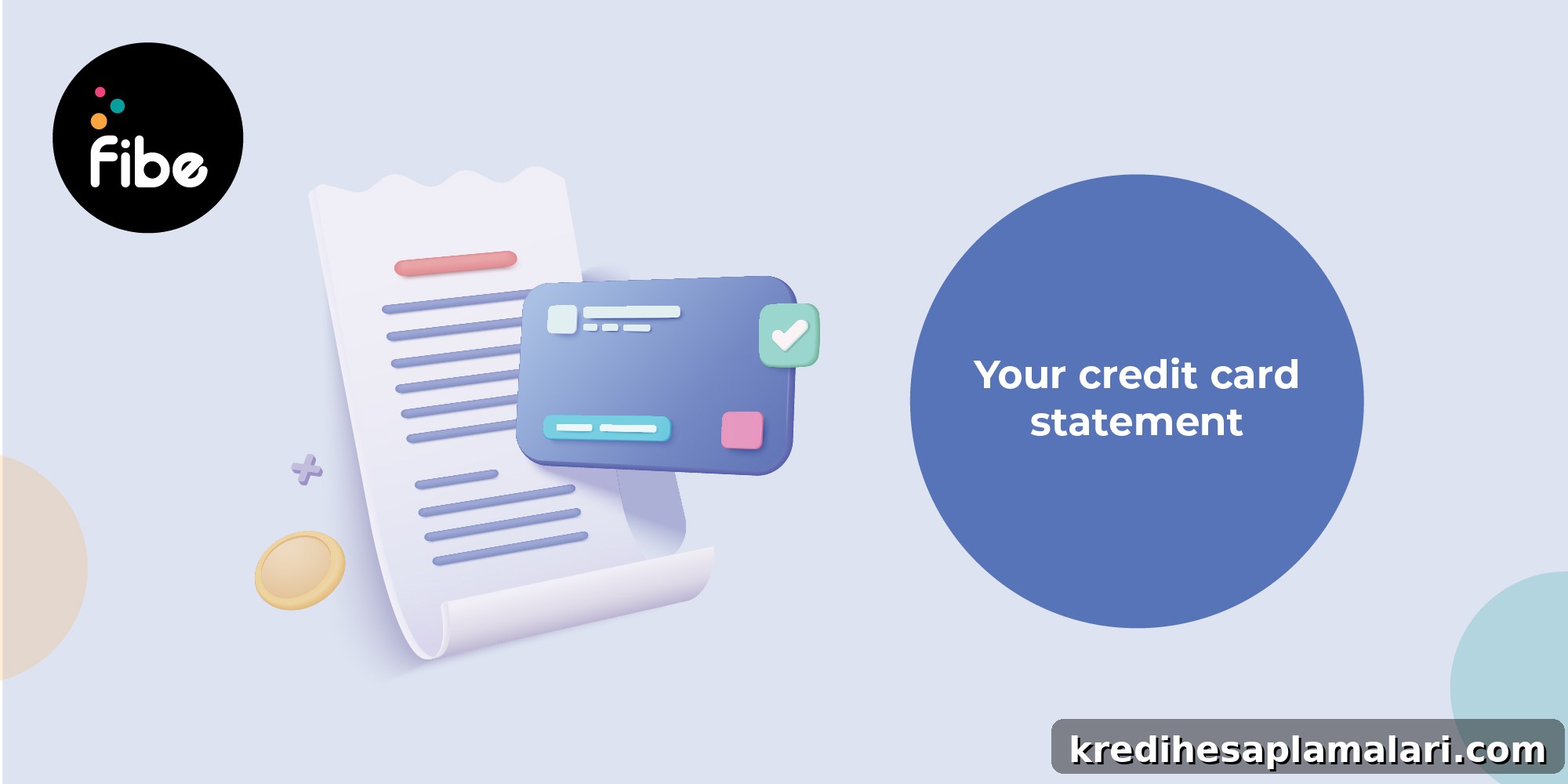
A credit card statement is a useful document that helps you manage transactions and monitor your account with ease. Issued at the end of each billing cycle or on request, this statement provides a clear summary of your card activity and key account details.
Reviewing your credit card statement regularly helps you spot unauthorised transactions, understand charges, and track payment deadlines. It also supports responsible card usage by giving you visibility into your spending patterns and outstanding obligations. Below are steps to obtain your statement, the key details it contains, and why it matters.
What details appear on your Credit Card statement?
Your credit card statement contains several important items you should review every month:
- Your Personal Information: Your full name, billing address, contact details and registered email address.
- Payment Due Date: The final date by which you should pay to avoid late payment fees.
- Total Billing Amount: The full amount you owe for the billing cycle, including purchases, cash advances, carried-forward balances, interest and other charges.
- Minimum Amount Due: The minimum payment required to keep the account in good standing. This is typically a percentage of the total balance.
- Grace Period: The time between the statement closing date and the payment due date during which interest may not be charged if you pay the full balance.
- Credit Limit: The maximum amount of credit available on your card.
- Outstanding Balance: The total amount currently owed to the card issuer.
- Transaction History: A detailed record of purchases, payments, cash advances and other transactions posted during the billing cycle.
- Banking Fees: Any fees applied to the account, such as interest charges, cash advance fees, late payment fees and service charges.
- Rewards and Offers: The balance of reward points or cashback earned, along with applicable expiry information.
How to get your Credit Card statement?
Card issuers provide multiple ways to access your credit card statement, both online and offline. Choose the method that suits you best:
- Generate Your Statement Online
Net banking or the issuer’s mobile app lets you view and download statements instantly. After logging in, navigate to the card section to review statements for specific billing cycles and save them as PDF files for your records. Many issuers also send statements to your registered email address on a scheduled date each month. Email statements are often password-protected for security.
- Get Your Statement Offline
If you prefer a physical copy, request a mailed statement from your issuer. Keep in mind that printed statements contain sensitive information and many banks encourage digital delivery to reduce risk and improve convenience.
Why is a Credit Card statement important?
Regularly reviewing your credit card statement provides several practical benefits:
- It helps you track the payment due date and the minimum amount required to avoid penalties.
- It increases transparency and makes it easier to spot billing errors or fraudulent charges.
- It shows your outstanding balance and available credit so you can manage usage within limits.
- It supports better financial planning by revealing spending trends and recurring charges.
- It details fees and interest applied, enabling you to question or dispute unexpected charges.
Because late payments can lead to penalties and higher interest, pay close attention to the due date shown on each statement. Timely payments help maintain a healthy credit history and avoid unnecessary costs.
To make the most of a credit card, consider cards that match your spending habits and offer rewards or fee waivers that align with your goals. If you choose a card with benefits such as cashback, dining discounts, or waived fuel surcharges, those features can add value when used responsibly.
FAQs on Credit Card Statements
Can I see my bank credit card statement online?
Yes. Most card issuers provide online access to statements via net banking, mobile apps or by sending monthly statements to your registered email address. You can download and save these statements for future reference.
How to log in to my credit card account?
Log in to your credit card account using the credentials provided by your bank—typically a customer ID or registered username and a password. If you haven’t registered for online access, follow your issuer’s process to set up net banking or app access, which may include identity verification and temporary credentials.
Regularly checking your credit card statement and addressing discrepancies promptly helps protect your finances and maintain a good credit standing.