Plan Your First International Trip in 2026: Step-by-Step Checklist
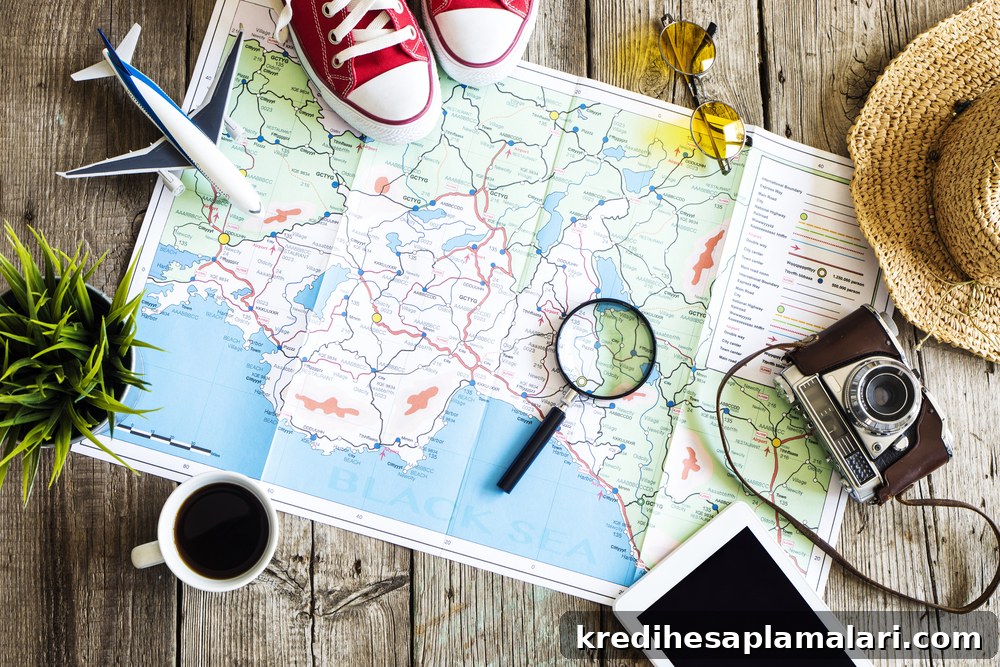
As summer approaches, it’s time to prepare for your international trip. From ancient ruins to tropical beaches, destinations abroad offer abundant experiences. Careful planning ensures your journey stays organized and enjoyable. Read on for top destinations for summer 2024 and practical tips to plan a smooth foreign trip.
Best Countries to Visit in Summer 2024
With spring unfolding in the northern hemisphere and late autumn in the southern, this period presents excellent travel opportunities. Consider these destinations for a memorable season abroad:
France
France—especially Paris—is beautiful in spring. Visit for cultural festivals like the centuries-old Foire du Trône, join the Paris Marathon, or simply enjoy café terraces, blossom-filled parks and world-class museums with milder crowds than peak summer.
Greece
April is toward the end of Greece’s low season, which means fewer tourists and pleasant weather. Whether you prefer hiking in the mountains, exploring archaeological sites or relaxing in seaside towns, Greece offers a balance of activity and calm before the summer rush.
Belize
Belize is ideal for white-sand beaches and vibrant coral gardens in the Caribbean Sea. Home to the second-longest barrier reef, it’s a top choice for snorkeling, diving and relaxed coastal escapes.
You can work with an international travel agency to plan your trip, but following a few proven practices will help you organize a smooth and budget-aware tour on your own.
Simple Tips for Planning Your International Trip
These practical tips will help you visit your chosen destination without unnecessary stress.
Plan the Trip Carefully
Spontaneity has its place, but international travel usually requires advance preparation. Key points to check:
- Determine visa and entry requirements well in advance. Some countries have strict rules and long processing times.
- Create a rough itinerary to estimate how much time you’ll need to see the highlights and to avoid rushed days.
- Research the destination thoroughly, including the best times to visit, local customs and must-see attractions before booking flights or accommodation.
Choose a Destination Based on Your Interests
Select a country that matches your travel priorities. If you love history, Europe offers countless heritage sites and museums. If you prefer vibrant street life, food markets and festivals, destinations in Southeast Asia or Latin America may be more rewarding.
Visit Inexpensive Countries
If you’re on a tight budget, consider countries with lower costs of living. Compare currency value and daily expenses to get the most from your money without compromising on experiences.
- For example, in some regions a stronger home currency can stretch your budget significantly, making food, transport and lodging cheaper.
- Conversely, many European destinations tend to be pricier, so include that in your planning if funds are limited.
Starting with more affordable countries can help you travel more often and save for costlier trips later.
Set a Budget
Establishing a budget keeps spending under control and helps you plan realistic activities and accommodations.
- Without a budget, costs can escalate quickly.
- Set limits for major expense categories—flights, lodging, food, local transport and activities—so you can identify areas to cut back if needed.
- If projected costs exceed your budget, consider adjusting your itinerary or choosing cheaper alternatives.
Find Deals on International Flights
Airfare often represents the largest single expense. To save money:
- Be flexible with travel dates and consider flying on weekdays.
- Compare both major carriers and low-cost airlines for the best fares.
- Use fare alerts on travel sites to track price drops for your preferred routes.
Book Accommodation & Rentals
Booking in advance typically secures better rates and more options. Aim to reserve flights and lodgings around two months before departure when possible, and subscribe to promotional lists to catch discounts.
Buy Travel Insurance
Purchasing travel insurance is a small investment that can prevent large unexpected expenses. Typical coverage includes:
- Medical treatment for illness or accidents abroad.
- Reimbursement for theft or loss of belongings.
- Coverage for trip cancellations or interruptions, depending on the policy.
Travel insurance can often be purchased through travel agencies or directly from insurers—compare policies to find suitable coverage for your trip.
Consider Working in Exchange for Food and Board
Work-exchange opportunities can stretch your budget and provide deeper cultural experiences. Options include:
- Volunteer or work-abroad programs that offer room and board in exchange for skills or labor.
- Short-term teaching, house-sitting, farm work or hospitality roles that cover accommodation and meals.
- These arrangements reduce costs and let you live like a local while experiencing daily life in your destination.
FAQs on Planning an International Vacation
How do I start planning an overseas trip?
Start by choosing your destination. Then set a budget and research flight and accommodation costs. Build a basic itinerary and check visa and health requirements early in the process.
How early should you plan an international trip?
Ideally, plan at least two months ahead of your departure. Some destinations and visa processes may require more lead time, so research specific requirements as soon as possible.
How much does an international trip cost from India?
Costs vary widely by destination. Trips to nearby countries like Malaysia or Thailand are generally less expensive than long-haul trips to the USA or Europe. Flight class, duration, accommodation standards and activities all affect the total cost.
What documents do I need for international flights?
Essential documents typically include:
- Valid passport
- Visa (if required)
- Government-issued ID
- Flight tickets and boarding passes
- Travel insurance policy details
Which country is best for your first international trip?
There’s no single best choice—pick a destination that matches your interests, budget and travel timeline. For historical sites and museums, consider European countries; for beaches, Spain or Southeast Asian islands; for vibrant culture and distinct local experiences, parts of South America or Southeast Asia are excellent starting points.