Long-Term vs Short-Term Loans: How to Choose the Right One
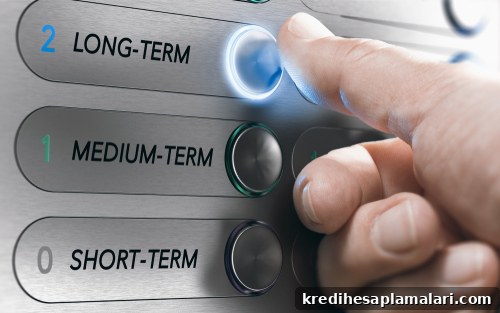
Online personal loan applications make it possible to get credit quickly with minimal paperwork. Interest rates vary based on factors such as your credit score, income, and the lender’s policies.
Many lenders also offer pre-approved loans to salaried individuals up to a specified limit. Personal loans typically fall into two categories: short-term and long-term. Below is a clear guide to help you decide between a long-term and a short-term personal loan when applying online.
Guide to short-term personal loan and long-term personal loan
What is a short-term loan?
A short-term personal loan is suitable for small, immediate financial needs. These loans normally have repayment periods of one year or less. Short-term loans are usually unsecured, so you do not need to pledge assets as collateral. Many lenders provide short-term loans online with minimal documentation.
Because the tenure is shorter, the total interest paid is often lower than for long-term loans. Examples include credit card cash advances, instant cash loans and salary advances. Digital lenders can disburse these loans quickly, often within a few days.
What is a long-term loan?
Long-term personal loans have longer repayment tenures, commonly from 24 months up to 7 years. These loans are designed for larger sums and major expenses. Compared with short-term loans, long-term personal loans usually carry higher interest rates due to the extended repayment period.
Long-term secured loans, such as home loans or car loans, may offer tenures of many years and typically require collateral and additional documentation. Unsecured long-term personal loans are available too, though they may have stricter eligibility criteria.
Short-term loans vs long-term loans: How do they differ?
Short-term and long-term personal loans differ in several key areas. Which option suits you best will depend on your financial need, repayment capacity, and personal budget. The following table summarizes the main distinctions to help you compare and decide.
| Characteristics | Long-term Loans | Short-term Loans |
|---|---|---|
| Repayment duration | Unsecured: Over a year, often up to 7 years. Secured: Can stretch to 20–30 years for mortgages. | Typically from 90 to 360 days (under 1 year). |
| Rate of interest | Generally higher overall because of the longer tenure. | Often lower overall since the repayment period is shorter, though rates depend on eligibility. |
| Documentation | Secured loans require additional documents related to collateral; unsecured long-term loans may still require proof of income and identity. | Minimal documentation; many lenders offer near-paperless processes for short-term loans. |
| Collateral | Often required for secured long-term loans (home, car, etc.). | Usually unsecured and not dependent on collateral. |
| Accessibility | Application can start online, but offline verification and more thorough checks often extend approval timelines. | Easy online application and faster disbursal, sometimes within a few days. |
| EMI amount | EMIs are lower monthly because repayment is spread over a longer term. | Monthly payments may be higher because the loan must be repaid quickly. |
Which loan should you choose?
Your choice between a short-term and long-term loan should be guided by the amount you need, your monthly budget, and how quickly you can repay. Short-term loans reduce the total interest paid because of the brief tenure, but they require larger monthly payments. They are convenient for immediate, small expenses and are often available with minimal paperwork.
If your monthly cash flow is tight, a long-term loan can lower monthly EMIs by spreading payments over a longer period. This makes repayments more manageable, though the total interest paid will usually be higher. Long-term loans may also require more documentation and take longer to process, especially if collateral is involved.
In general, choose a long-term loan when you need a larger amount and prefer lower monthly installments. Choose a short-term loan when you need a smaller sum and can afford higher monthly repayments to minimize total interest. Consistently repaying installments on a long-term loan can also help build a positive credit history over time.
FAQs on short-term and long-term loans
What are short-term loans and long-term loans examples?
A home loan is a typical example of a long-term loan, often repaid over many years. For personal loans, long-term tenures are commonly up to 5–7 years, while short-term loans are repaid within one year or less.
What is the difference between long-term and short-term borrowing?
The main difference is the repayment period: long-term loans have extended tenures, while short-term loans are repaid quickly. Interest rates and terms vary based on credit score, income, and lender policies.
Can I get a loan for 10 years?
Yes. Long-term loans with tenures of 10 years or more are available if you meet the lender’s eligibility criteria.
Can I get a personal loan for 7 years?
Yes. Some lenders offer personal loans with tenures up to 7 years, classifying them as long-term personal loans.
What is a short-term loan with example?
A short-term loan is repaid quickly—sometimes in as little as three months. Examples include salary advances and instant cash loans for urgent needs.
What are the 3 types of term loans?
The common classifications are:
Short-term loans: Repaid within one year
Intermediate loans: Repaid in about 1–3 years
Long-term loans: Repaid over many years, often up to 25–30 years for secured loans like mortgages
Who is eligible for a long-term loan?
Salaried and self-employed borrowers with stable income and good credit scores are typically eligible for long-term loans. Specific criteria vary by lender.
What is an example of a long-term loan?
A home loan is a common long-term loan, with repayment periods that can extend up to 30 years.
Which is better: short-term or long-term loans?
There is no universal answer—choose based on the loan amount you need, your monthly income, the interest rate offered, and how you plan to use the funds.
Why are short-term loans better?
Short-term loans are advantageous when you want to resolve a small financial need quickly and minimize total interest. They let you clear debt faster once you can handle higher monthly payments.
What is the time period of a short-term loan?
Short-term loans are usually repaid within one year.
Why choose a long-term loan?
Choose a long-term loan when you need a larger sum and prefer lower monthly installments. It eases monthly budgeting but increases total interest cost.
What is the main difference between short-term & long-term loans?
The primary difference is the repayment tenure: short-term loans are repaid quickly, while long-term loans extend over multiple years.
Why is a long-term loan better than a short-term loan?
A long-term loan can be easier on your monthly budget because of lower EMIs. However, over the full term you will usually pay more interest than with a short-term loan.