6 Common Solar Panel Installation Mistakes to Avoid
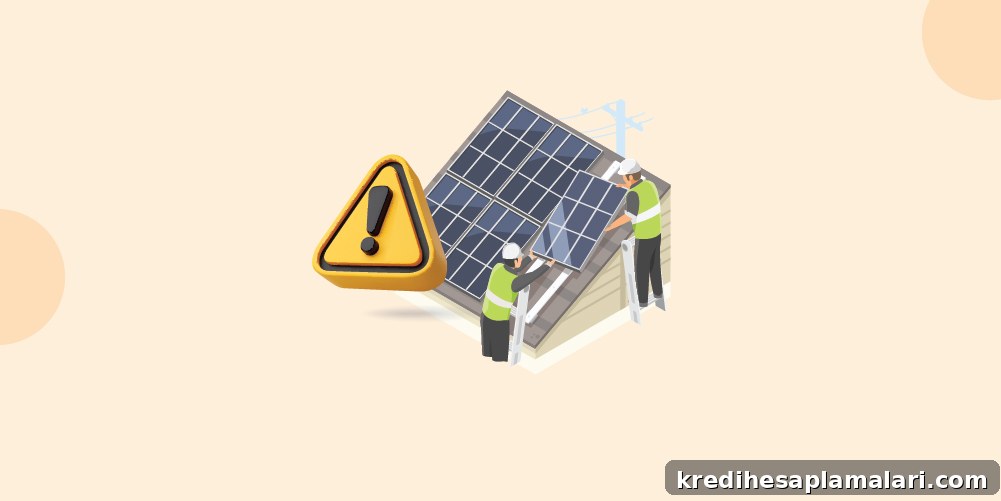
Deciding to switch to solar energy and having panels installed is an effective way to reduce electricity bills and lower your environmental footprint. However, improper installation or planning can reduce efficiency and lead to avoidable failures.
To protect your investment, below are common mistakes to avoid when arranging solar panel installation on your home or office rooftop.
1. Skipping a Proper Site Assessment
Solar panels perform best with maximum sun exposure. Orientation, tilt angle and nearby obstructions such as trees or buildings all influence output.
Solution: Before installation, ensure a qualified installer carries out a full site inspection. In India, a south-facing orientation is typically optimal. The survey should identify shading issues throughout the day and year so panels are sited for consistent sunlight.
2. Choosing the Wrong Solar Panels
Solar panels differ in efficiency, durability, temperature performance and warranty terms. Selecting low-quality or mismatched panels can result in lower energy yield and earlier replacement needs.
Solution: Work with a professional to choose panels that match your energy goals, roof area and budget. Higher-efficiency modules can generate more power in limited space, while reputable manufacturers and solid warranties reduce long-term risk.
3. Poor Installation Practices
Poor wiring, incorrect mounting or insufficient weatherproofing can cause system failures, electrical hazards and even roof damage.
Solution: Hire certified, experienced installers who follow industry best practices and local code requirements. Proper installation ensures safety, reliable performance and longer system life.
4. Ignoring Roof Condition
Installing panels on an old or damaged roof can create future costs. If the roof needs repairs after installation, removing and reinstalling panels will add expense and downtime.
Solution: Have your roof inspected before solar panel installation. Complete any necessary repairs or replacement first so the panels can be mounted on a structurally sound surface.
5. Miscalculating Energy Needs
Underestimating energy consumption may leave you dependent on the grid and reduce the financial benefits of your solar installation.
Solution: Assess historical electricity usage with your installer and design a system that meets or slightly exceeds projected needs. Allowance for future changes—additional appliances, electric vehicle charging or household expansion—will help avoid shortfalls.
6. Overlooking Financing Options
High upfront costs deter many homeowners from going solar. Financing through a solar installation loan can spread payments and make adoption feasible sooner.
Solution: Explore loan and financing options that suit your budget and cash-flow needs. Structured repayment plans let you benefit from solar energy while paying over time, often with savings compared to ongoing utility bills.
The Bottom Line
Choosing quality components, verifying roof readiness, working with certified installers and accurately estimating energy needs are key to a successful solar installation. These steps help maximize performance, safety and long-term savings.
If you are considering a rooftop solar system for your home or office, explore available financing to make the project affordable. Proper planning and professional guidance ensure your solar investment delivers reliable power and value for years.
FAQs
How do I know if my roof is suitable for solar panel installation?
A suitable roof is structurally sound, free from major damage and offers sufficient unshaded surface area. A professional installer will evaluate roof strength, orientation, tilt and shading patterns to determine placement. In India, south-facing roofs generally receive the most consistent sunlight.
What happens if my solar system isn’t producing enough energy?
Low output can result from dust or debris on panels, shading from trees or new construction, wiring or inverter faults, or poor system design. Regular cleaning and maintenance help preserve performance. If production remains low, contact your installer to inspect the system, diagnose faults and carry out necessary repairs or adjustments.