Zero Balance Account: Benefits, Drawbacks and Who Should Use It
SUMMARY
This article explains the real advantages and disadvantages of a zero balance account, based on the Reserve Bank of India’s updated Basic Savings Bank Deposit Account (BSBDA) rules effective from 1 April 2026. It describes how the account works, withdrawal limits, interest treatment and who should consider opening one, in a concise five-minute read.
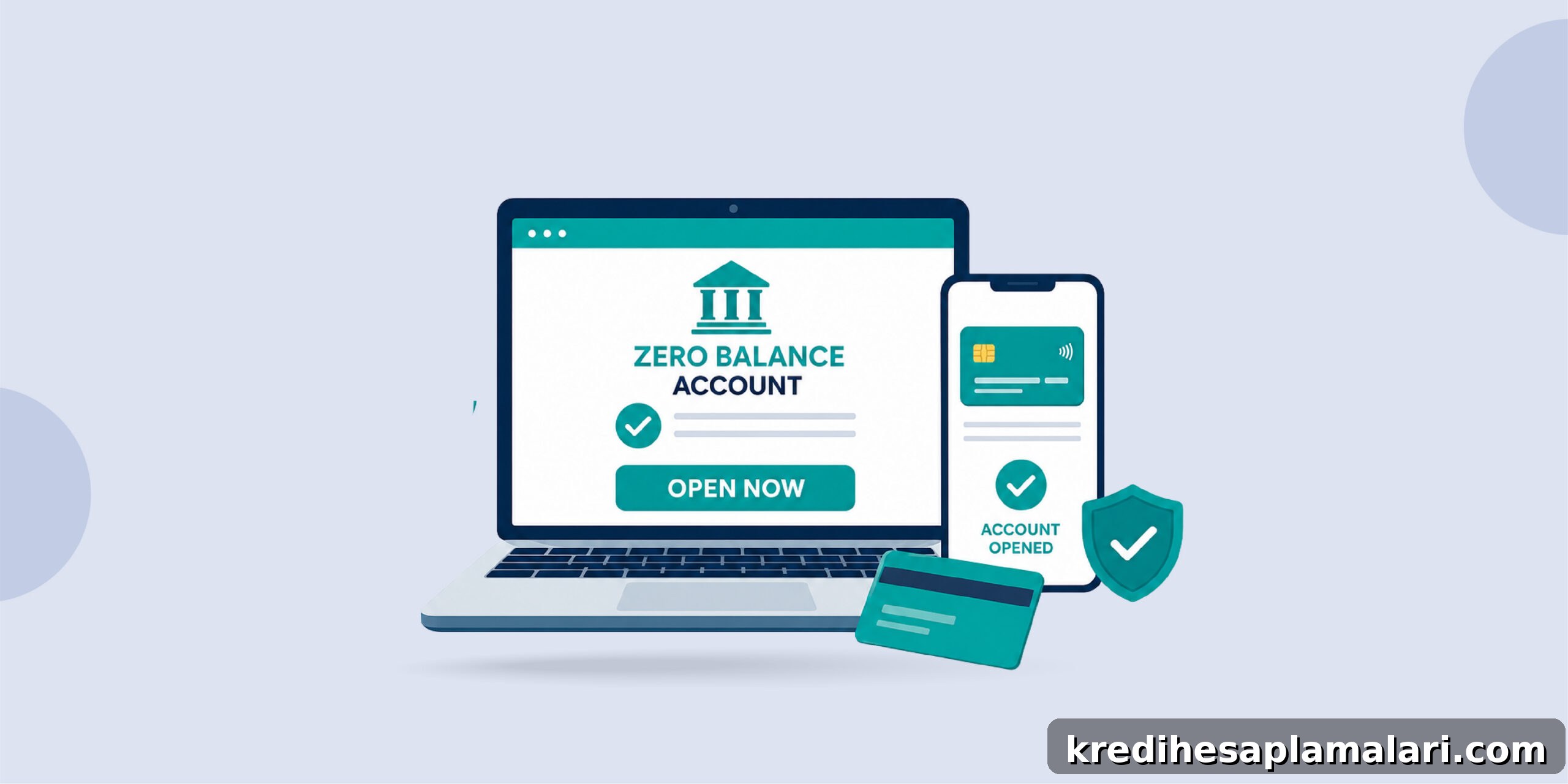
A zero balance account, officially known as a Basic Savings Bank Deposit Account (BSBDA), allows you to open and maintain a savings account without being required to keep any minimum balance. Under RBI directions, banks cannot impose a penalty if the account balance reaches zero, and they must provide a defined set of basic services free of charge. These mandated services include an ATM-cum-debit card, a cheque book of at least 25 leaves a year, and internet or mobile banking. While the account removes the minimum-balance penalty common to many standard savings accounts, it is not without limits: banks may cap the number of free cash withdrawals each month, and services beyond the mandated basic basket can attract normal service charges. This guide outlines what a zero balance account provides, its genuine pros and cons, who benefits most and what to check before opening one.
QUICK STAT
Under the RBI’s amended BSBDA Directions effective 1 April 2026, banks must provide a free ATM-cum-debit card, a cheque book with at least 25 leaves a year, and free internet or mobile banking on every zero balance account. Digital payments such as UPI, NEFT and IMPS are excluded from the four free monthly cash withdrawal limit.
What is a Zero Balance Savings Account?
A zero balance savings account, or BSBDA, is a savings bank account that does not require any minimum balance to remain active or avoid a penalty. It was created to improve access to formal banking for people who cannot commit to maintaining a fixed sum, such as students, daily-wage workers and first-time account holders. Even without a minimum balance requirement, BSBDA accounts earn interest at the same rate the bank applies to its regular savings accounts, credited at the bank’s usual intervals. The principal differences from a standard savings account are a cap on free cash withdrawals and the restriction on holding more than one BSBDA at the same bank.
Because the BSBDA framework is mandated by the RBI, most scheduled commercial banks and many payments banks offer such accounts, often under different brand names. Many banks permit online account opening with minimal documentation such as Aadhaar and PAN. A BSBDA can be opened individually or jointly, and minors can hold one through a parent or guardian, subject to the one-account-per-bank rule that applies to joint holders as well.
Advantages of a Zero Balance Account
A zero balance account offers several practical advantages, particularly for people new to banking:
- No minimum balance pressure – there is no non-maintenance penalty even if your balance goes to zero.
- Free basic banking tools – RBI mandates a free ATM-cum-debit card, a cheque book of at least 25 leaves a year and free internet or mobile banking for every BSBDA.
- Easy, low-document opening – many banks let you open the account with just Aadhaar and PAN, often on the same day.
- Digital payments excluded from withdrawal cap – UPI, NEFT, RTGS and IMPS transactions are not counted against the free monthly cash withdrawal limit.
- Same interest as regular savings accounts – the account earns interest at the bank’s applicable savings rate, so you do not lose interest earnings for choosing flexibility.
There is typically a limit of four free cash and ATM withdrawals each month. Additional cash withdrawals beyond this limit may incur a small fee per transaction, while digital transfers generally remain outside that cap.
PRO TIP
Separate your cash withdrawals from digital payments. By using UPI and other digital channels for routine payments, you are less likely to exceed the free cash withdrawal limit.
Disadvantages of a Zero Balance Account
There are trade-offs to consider before choosing a BSBDA:
- Withdrawal cap – the typical four free cash/ATM withdrawals per month can be limiting if you rely heavily on cash.
- One account per bank – you cannot hold a BSBDA and a regular savings account at the same bank without closing or converting one of them.
- Fewer premium features – benefits such as higher ATM withdrawal limits, priority service or premium debit card options are usually reserved for regular or premium savings accounts.
- Extra services cost extra – services beyond the mandated basket, such as additional cheque leaves or demand drafts, attract standard bank charges.
- Not designed for high-value banking – frequent large-value transfers, significant cash handling or business banking needs are better handled by current or premium savings accounts.
DID YOU KNOW?
A student receiving scholarship transfers can keep a zero balance account fee-free by limiting cash withdrawals and using UPI for utility payments and subscriptions, thereby remaining within the free service limits.
Who Should Open a Zero Balance Account?
- Students and first-time bank account holders
- Homemakers or dependents without a regular income
- Daily-wage earners or gig workers with irregular cash flow
- Individuals opening an account mainly to receive government benefits (DBT) or salary via digital transfer
- Those who want a secondary, low-maintenance account at a different bank
Things to Check Before Opening a Zero Balance Account
- Confirm the bank’s free cash withdrawal limit and what transactions count towards it.
- Check the applicable savings interest rate and how frequently interest is credited.
- Ask whether a physical debit card and cheque book are issued by default or only on request.
- Verify if you already hold a savings account at the same bank, since you may need to close or convert it.
- Review charges for services outside the free basket, such as extra cheque leaves or demand drafts.
- Confirm which KYC documents the bank accepts for instant or video KYC opening.
- For joint or minor accounts, clarify how the one-account-per-bank rule applies to each joint holder.
FAQs On Zero Balance Account Advantages and Disadvantages
1. Is a zero balance account really free with no hidden charges?
Yes, for the mandated basic services. There is no minimum-balance penalty, and the RBI requires a free debit card, cheque book and net banking. However, services beyond the mandated basket, such as extra cheque leaves, can attract standard fees.
2. Does a zero balance account earn interest like a regular savings account?
Yes. It generally earns interest at the same rate as the bank’s regular savings account, credited on the bank’s usual schedule.
3. Is there a transaction limit on zero balance savings accounts?
Yes. Typically there are four free cash and ATM withdrawals a month, combined. Digital transfers such as UPI and NEFT are usually excluded from this limit under the updated rules.
4. Can I have a zero balance account and a regular savings account at the same bank?
No. Banks usually allow only one BSBDA per customer per bank, so you may need to close or convert any existing savings account to open a BSBDA.
5. What happens if I exceed the free withdrawal limit?
The bank will charge a small fee for each additional cash or ATM withdrawal beyond the free monthly limit, as per its published tariff.
6. Can I upgrade my zero balance account to a regular savings account later?
Yes. Most banks allow customers to convert a BSBDA to a regular savings account if they choose to maintain a minimum balance or need additional features.
7. What documents are required to open a zero balance account?
Typically Aadhaar and PAN are sufficient for KYC; some banks also support video KYC for instant, paperless account opening.
8. Can I open a BSBDA jointly or for a minor?
Yes. A BSBDA can be opened singly or jointly, and minors may hold one through a parent or guardian. The one-account-per-bank rule still applies to joint holders at that bank.