Which Loan Should You Pay First When You Get a Bonus?
Highlight: Receiving a bonus is exciting — whether you spend it or invest it — but using it to repay debt doubles the benefit. If you need extra funds after using your appraisal or performance bonus, Fibe can help.
Diwali brings celebration and the customary Diwali bonus. Each year employees eagerly await this extra payout because it can be put to many practical uses. Some households buy an appliance, others make a home loan installment, and many choose to invest for the future. Bonuses are welcome, but what exactly should you do with that money?
A bonus is an additional payment on top of an employee’s base salary. Base salary is typically a fixed monthly amount; bonuses vary and are often tied to company performance, individual targets, or other measurable criteria. Businesses use bonuses as incentives to align employee efforts with long-term company goals.
In India, the Payment of Bonus Act, 1965, mandates a minimum bonus of 8.33% for eligible establishments, while the maximum bonus including productivity-linked components is capped at 20% of the employee’s salary or wages under section 31A.
With the technical definitions out of the way, the key question remains: how should you spend your bonus? Should you splurge during the festive season or allocate it more prudently?
One of the best uses of a bonus is to reduce outstanding loans. Paying down debt lowers monthly financial pressure and improves cash flow for other expenses.
But which loan should you pay off first?
Best use of bonus: Pay off high-interest debt first
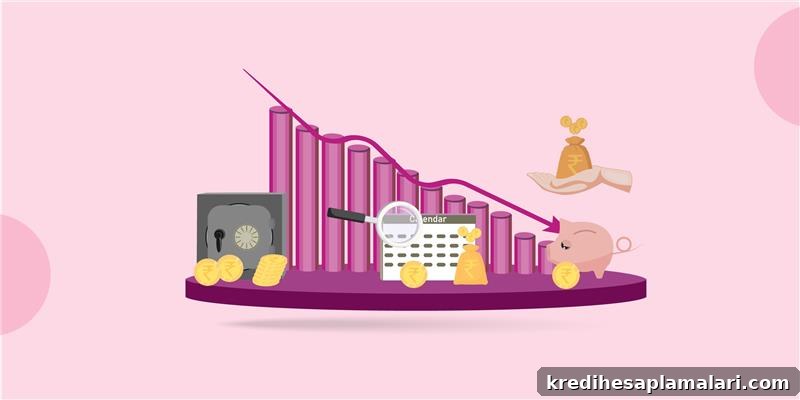
Many people instinctively choose to clear the loan with the highest EMI. This is not the most efficient strategy. Instead, prioritize loans with the highest interest rates. High-interest debts quickly compound and can be costly to service over time. Using your bonus to eliminate these obligations first reduces the total interest you pay and speeds up your path to financial freedom.
Financial experts recommend targeting debts that carry interest rates greater than what you might reliably earn by investing the same money elsewhere. Paying off high-rate loans not only saves money but also delivers peace of mind and frees up future cash flow for savings and investments.
An example to illustrate loan repayment order
To make this clearer, consider a hypothetical situation with three outstanding loans: a ₹5 lakh car loan, a ₹3 lakh personal loan, and a ₹2 lakh credit card balance. It may seem logical to target the loan with the largest EMI, but that approach overlooks interest rate impact.
A better method is to rank debts by interest rate and pay the highest-rate debt first — a strategy sometimes called debt stacking. Credit card balances typically carry the steepest rates, often around 40% in some cases, so clearing the credit card debt first is usually the most cost-effective step. After that, direct funds toward the next highest-rate loan, and so on. If the bonus doesn’t fully eliminate a loan, use it to substantially reduce the balance and reduce the interest burden.
Additionally, consider setting aside some of the bonus as an emergency fund. Many unsecured loans are taken because there was no emergency cushion available. Building even a small reserve can prevent future high-cost borrowing.
Conclusion
Bonuses present an excellent opportunity to restore financial balance by clearing high-interest debts. Use them wisely rather than spending impulsively during festivities. Reducing debt improves monthly cash flow, minimizes interest outgo, and supports long-term financial goals.
If you’re considering where to get a loan when needed, Fibe is positioned as a convenient option for quick personal loans and salary advances, simplifying the borrowing process without excessive paperwork.
Want to discuss credit, car loans, or instant cash needs? Consider Fibe’s services and explore options that suit your situation.