What Your Credit Score Reveals About Your Financial Profile
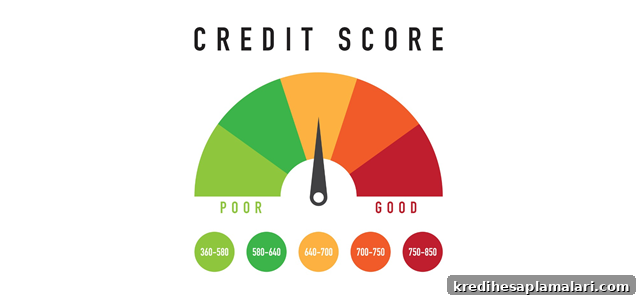
Based on your complete loan history, a credit score is a numerical measure of your overall financial health. Lenders rely on this score to decide whether to approve loan or credit card applications and to set the interest rates they will charge.
Beyond lenders, other organizations—such as landlords, employers, and insurance companies—may also check your credit score to determine whether to rent to you, hire you, or set your insurance premiums.
Let us understand what credit scores really are
Credit scores typically range from about 300 to 850. Scores around 600 are generally viewed as an entry-level “good” range, while higher scores increase your chances of loan approval on more favorable terms. Checking your score regularly helps you understand where you stand and what lenders see when they evaluate you.
There are two main kinds of credit scores: generic and custom.
- Generic scores are used broadly across different types of lenders and businesses to assess general credit risk. These scores are calculated using standard formulas and are available as a single score that most credit reporting agencies can provide.
- Custom scores are created by individual lenders and are tailored to their own portfolio data, including account history and internal risk models. These scores are specific to a particular lender or to certain loan types—such as mortgages or auto loans—and may differ from the generic score.
What kind of borrower are you: What a credit score reveals
- Payment history
The primary question lenders ask is: “Will I get my money back?” Your payment history is the biggest factor in your credit score because it shows whether you pay bills on time.
Relevant details include:
- Whether each account on your credit report was paid on time—late payments hurt your score.
- How late payments were—30, 60, or 90+ days late—with longer delinquencies having a larger negative impact.
- Whether any accounts were sent to collections—collection accounts signal serious repayment issues to potential lenders.
- Amounts owed
The second most important component examines how much you owe across different account types such as mortgages, auto loans, credit cards, and other installment accounts. Key considerations:
- Your total outstanding debt and how much remains on installment loans relative to their original amounts.
- Your credit utilization—the percentage of your available revolving credit you are using. Lower utilization generally helps your score. Carrying a small balance can demonstrate responsible use, but maxing out credit harms your rating.
- Length of credit history
How long you’ve used credit influences your score. Lenders consider how many years you’ve had credit, the average age of your accounts, and the age of your oldest account.
- New credit
Opening several new accounts in a short time can lower your score. The number of recent credit inquiries and the timing of newly opened accounts are factored in. - Types of credit in use
A mix of credit types—credit cards, retail accounts, revolving loans, and mortgages—can be beneficial. This component is smaller in weight, so not having every credit type is not a major concern.
Small tips to keep in mind while you apply for a loan
- Always pay bills on time; avoid being more than 30 days late.
- Don’t open many new accounts at once or repeatedly within a short timeframe.
- If you plan a major purchase requiring financing—like a home or car—check your credit score about six months in advance to allow time for improvement.
- Keep credit card balances low—ideally between 15–25% of your total available credit.
Do you always need a credit score?
Your credit score plays an important role in loan approvals and interest rates, but you don’t need to obsess over scoring formulas. Many modern credit solutions and financial services provide alternatives to traditional lending and offer tools that help you manage credit and view your score easily. These services often include short-term and longer-term loan options, free credit score checks, and digital payment features that can support your financial goals without relying solely on conventional lenders.
Building a strong credit profile takes time and consistent behavior, but you can also manage your finances responsibly even if your score is not yet high. If you have questions about credit, loans, or immediate cash needs, reach out to a trusted financial service or provider for personalized guidance.
If you use mobile apps or online portals, remember to download official apps from trusted sources and to sign up only through secure, verified websites.