What Is a Credit Card CVV and Why It Matters for Your Security
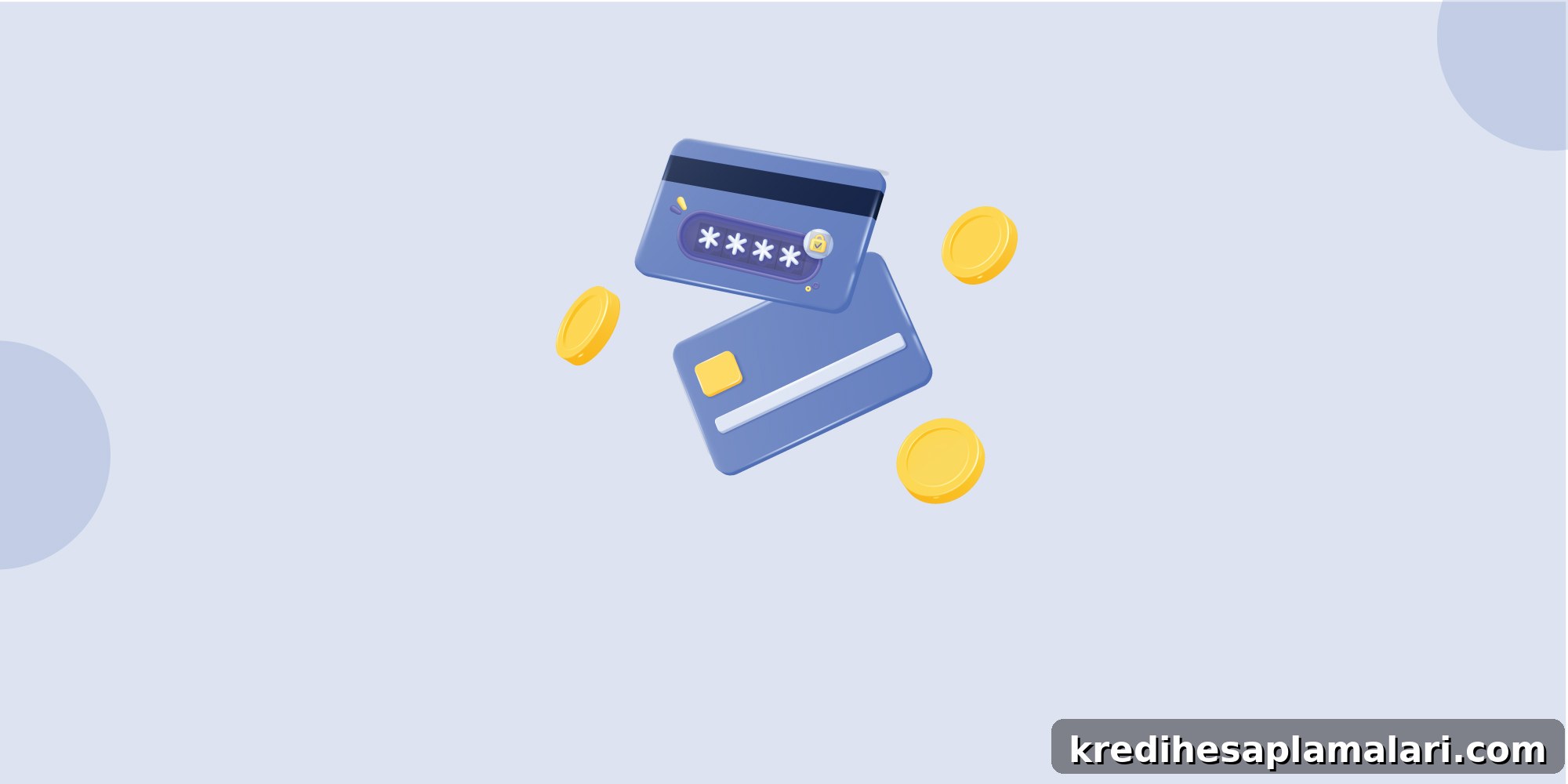
A credit card CVV number provides an extra layer of protection for your card information and identity. Whenever you use a credit or debit card, there is a risk of fraud and phishing as card details are shared. To reduce these risks, issuers implement multiple security measures, and one key safeguard is the CVV (Card Verification Value).
Read on to understand what a CVV is, how it helps prevent fraud in online and offline transactions, and where to find it on your card.
What is CVV?
CVV stands for Card Verification Value. It is sometimes referred to by other names, such as:
- Card Security Code
- Card Validation Code 2
- Card Identification Number
The CVV is typically a three- or four-digit code printed on your card and used to verify transactions. It appears on both credit and debit cards as an important security feature.
How It Works to Protect Against Fraud?
The CVV plays a dual role depending on whether you are making payments online or at a point-of-sale (POS) terminal. Below is how it enhances security for different payment methods.
In Online Payments
When making an online payment with a card, you are generally asked to enter a few details, including:
- Card number
- Cardholder’s name
- Expiry date
- Card security code (CVV)
After you submit these details, the payment gateway verifies them. Merchant payment portals are required to follow Payment Card Industry Data Security Standards (PCI DSS), which means they should not store sensitive card information like the CVV. As a result, you must enter these details each time you checkout on an unfamiliar or untrusted site.
Requiring the CVV helps ensure that the card is physically present with the person making the transaction (or that they have legitimate access to the card), reducing the chance that someone is using stolen card data. If the wrong CVV is entered, the payment will be declined, making the CVV an important authentication checkpoint.
In Offline Payments
For in-person transactions where you swipe, dip, or tap your card, the POS terminal reads the card data and may cross-check visible details such as the printed card number against the information encoded on the magnetic stripe or chip. Matching details help confirm the card’s authenticity and the legitimacy of the transaction before it is approved.
Where Can You Find It?
The location of the CVV depends on the card network. For Visa, Mastercard, and Discover cards, the CVV is usually a three-digit code located on the back of the card beneath the magnetic stripe and to the right of the signature panel. American Express cards typically display a four-digit code on the front, above the card number.
Because the CVV is printed on the card, keeping your card physically secure is essential. Avoid handing your card to strangers or leaving it unattended at reception desks, restaurants, hotels, or other locations. When possible, run or tap your own card at the terminal, and for online purchases use only trusted merchants and secure payment pages.
Another way to limit exposure of card data is to use a numberless card, which is issued without printed card numbers or other visible details. These cards make it harder for others to copy or misuse your card information if the physical card is handed over.
Some modern numberless card offerings also bundle additional benefits and security features, but availability and features vary by issuer and market.
FAQs on CVV Number
How do I find my CVV number?
For Visa, Mastercard, and Discover cards, the CVV is on the back of the card, usually to the right of the signature strip. For American Express cards, the CVV is a four-digit number on the front of the card above the card number.
What is the CVV number on an ATM card?
The CVV on an ATM or debit card serves the same protective function as on a credit card. Depending on the card network and issuer, it may be three or four digits long.
Is CVV a password?
No. The CVV is a piece of card information printed on the card—similar to the card number, cardholder name, and expiry date—used for transaction verification rather than acting as a password you create.
Is CVV private?
Yes. The CVV is confidential and should not be shared with others. Avoid disclosing it to anyone who does not have a legitimate reason to know it, including unsolicited callers. If you suspect your CVV or card details have been compromised, contact your card issuer immediately.