What Determines Your Personal Loan Interest Rate: Key Factors
Personal loans have surged in popularity and continue to grow rapidly. People turn to personal loans for a wide range of needs—weddings, vacations, tuition, event planning, home renovations, medical emergencies, and more. Their multipurpose nature, often unsecured terms, and in some cases minimal credit checks make personal loans accessible and attractive to many borrowers, which helps explain their rising demand.
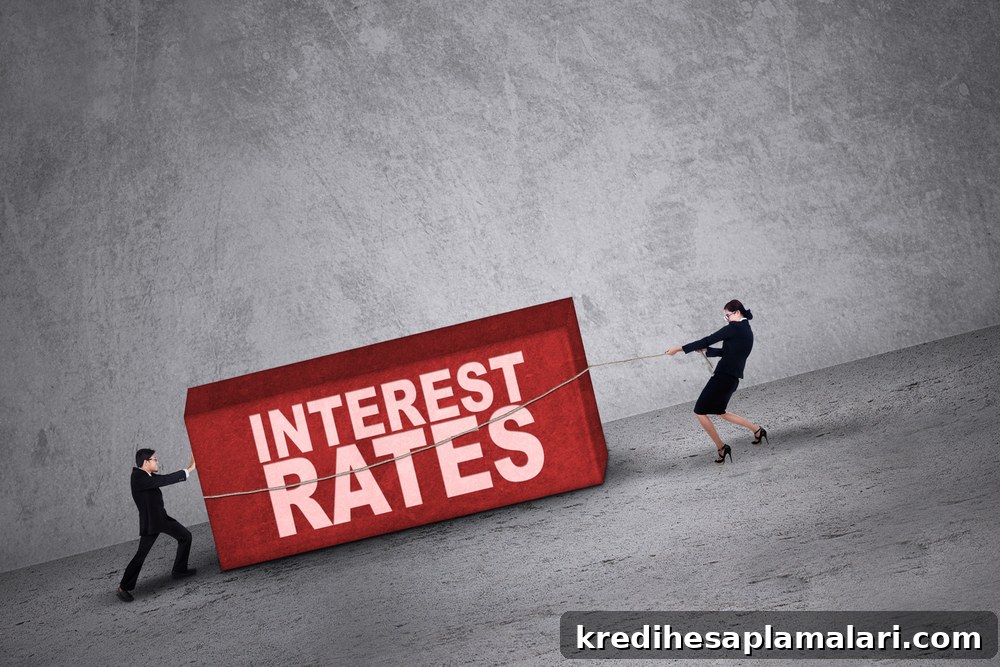
Despite their appeal, there are important considerations before applying for a personal loan. Even if you are confident in your ability to repay, the interest rate can significantly affect the total cost of borrowing and your monthly payments.
Unlike many home and auto loans that often have standard rates for borrowers, personal loan interest rates fluctuate and vary by lender and borrower profile. Lenders set rates according to eligibility criteria and perceived risk, so it’s important to understand the main factors that influence the interest rate on an online personal loan.
Key factors that can affect the interest rate on your personal loan include:
1. Your Income
Your income is one of the most influential determinants of the interest rate you’ll be offered. Borrowers with higher, stable incomes are generally considered more capable of repaying loans on time, which reduces the lender’s risk. As a result, higher-income applicants often qualify for lower interest rates. Conversely, lenders may charge higher rates to lower-income borrowers to compensate for increased perceived risk.
2. Your Credit Score
Your credit score plays a central role in both loan approval and the interest rate you receive. It reflects your past credit behavior—timely payments raise your score, while late payments and defaults lower it. A strong credit score signals reliability and can help secure a lower rate; typically, scores above 750 are considered good. Some digital lenders offer personal loans to borrowers with lower scores, but those loans often come with higher interest rates.
3. Your Employer’s Status
Because personal loans are often unsecured, lenders look for other signs of stability, and your employer’s reputation is one such factor. Employment with a well-known, stable company can boost a lender’s confidence in your ability to repay, possibly leading to more favorable loan terms. In some cases, lenders maintain special programs or relaxed criteria for employees of certain organizations.
4. Your Debt-to-Income Ratio
The debt-to-income (DTI) ratio compares your total monthly debt obligations to your monthly income. Even with a strong salary, a high portion of income dedicated to existing debt reduces your capacity to take on new payments. A high DTI indicates higher financial obligations and may lead lenders to charge higher interest rates to offset the increased risk of default.
5. Your Relationship with the Lender
Long-term relationships with a bank or lender can influence loan pricing. Lenders often reward loyal customers with better rates and terms, but this trust is built over time through consistent, responsible account behavior. Repeat customers or those who maintain multiple products with a lender may qualify for preferential offers compared with new customers.
Closing Word
Beyond these major factors, several other elements can affect the interest rate on a personal loan. Shorter loan tenures sometimes come with lower rates, and in some cases you may be able to negotiate better terms. Understanding how income, credit score, employer reputation, debt obligations, and your relationship with the lender influence rates will help you prepare and make smarter borrowing decisions when applying for a personal loan.