VPA (Virtual Payment Address): What It Means and How to Create One
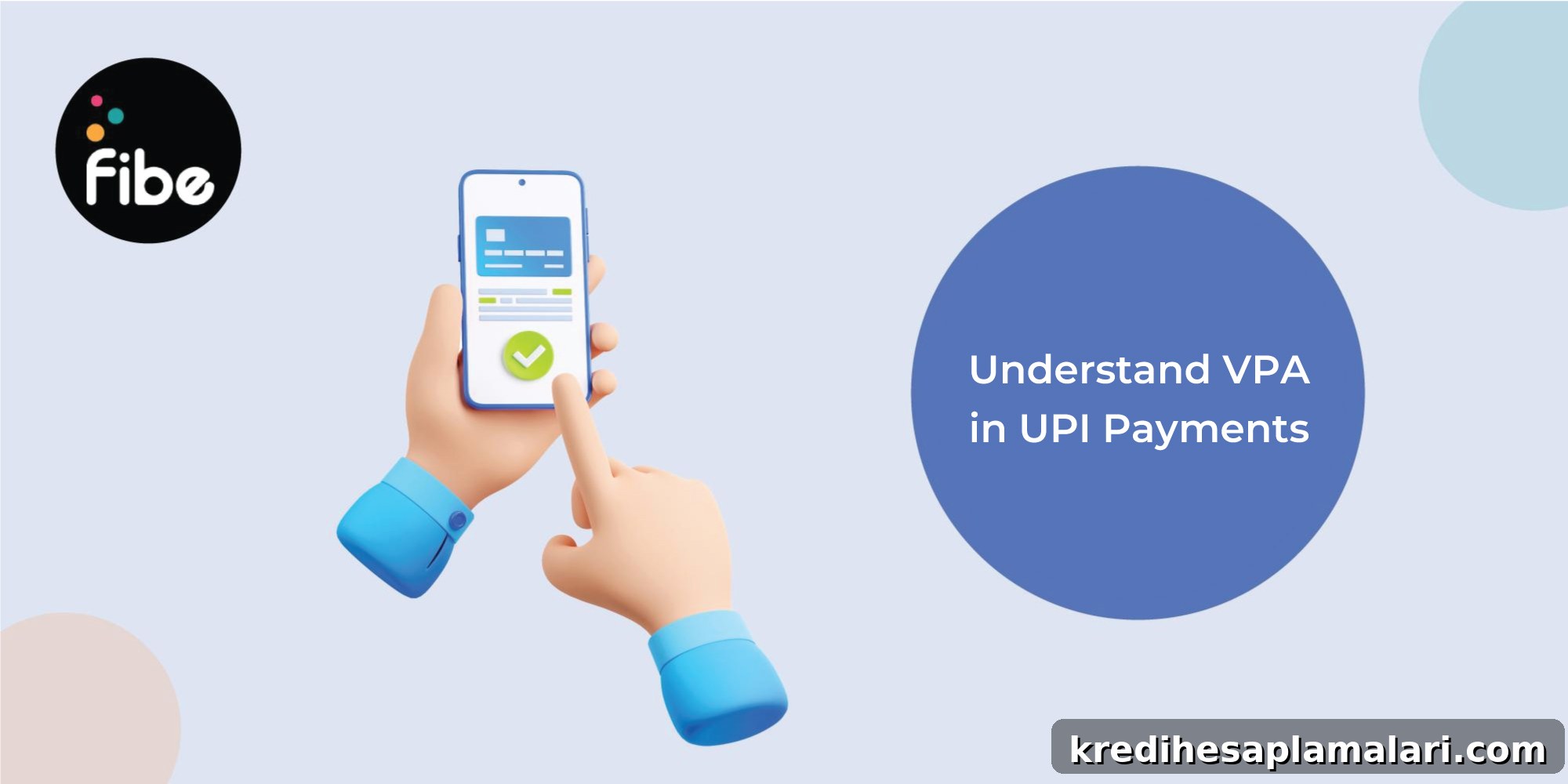
Virtual Payment Address (VPA) in UPI (Unified Payments Interface) is a unique identifier linked to your bank account that eliminates the need to share bank account numbers and IFSC codes for transactions. A VPA lets you send and receive money, pay bills, and make merchant payments quickly and securely.
Below is a clear overview of what a VPA is, how it is created and used, and the main benefits it offers.
What is a Virtual Payment Address?
A Virtual Payment Address (VPA) is a unique ID associated with a user’s UPI-enabled bank account. Instead of entering account number and IFSC every time you transfer funds, you can simply use a VPA to identify the beneficiary. A VPA typically looks like username@bank or username@upi. The username portion can be a name, initials, mobile number, or any unique handle you choose. The suffix might indicate:
- The name of the bank where your account is held
- The bank or payment provider associated with the UPI app
- The generic tag “UPI” provided by some apps
- A handle used by a specific UPI app
How to Create a VPA for UPI Payments
Creating a VPA is straightforward. Most third-party UPI apps guide you through the process during registration. Typical steps include:
- Step 1: Download and open a UPI app on your mobile device
- Step 2: Enter the mobile number registered with your bank account
- Step 3: Verify via the OTP sent to the registered number
- Step 4: Select the option to add or create a new UPI ID / VPA
- Step 5: Choose a unique username to precede the ‘@’ symbol
- Step 6: Submit to complete creation of your VPA
How VPA for UPI Payments Works
After creating your VPA, you can use it for both sending and receiving payments through the UPI app. Sending money using a VPA generally follows these steps:
- Step 1: Open the UPI app and choose the option to pay using UPI
- Step 2: Enter the receiver’s VPA and confirm it belongs to the intended recipient
- Step 3: If you have multiple UPIs, select which VPA to use for the payment
- Step 4: Enter your MPIN to authorize and confirm the transaction
To request or receive money using a VPA:
- Step 1: Open the UPI app and select the option to receive via UPI or request money
- Step 2: Enter the payer’s VPA or provide your VPA to the sender
- Step 3: Specify the amount you wish to request (if applicable)
- Step 4: Choose the VPA to receive funds if you have multiple IDs
- Step 5: Send the request and wait for the payer to approve the transaction
Benefits of VPA in UPI Payments
VPA offers several advantages that have driven the rapid adoption of UPI across India:
- Cost-effective: Most UPI transactions are free or incur minimal charges, making VPA-based transfers very economical.
- Secure: Since VPA removes the need to share bank account numbers and IFSC codes, it reduces exposure of sensitive banking details and lowers the risk of fraud.
- Fast processing: UPI transactions via VPA are processed in real time, so payments and receipts are immediate without lengthy bank approvals.
- Convenience: Using a VPA is simple—you only need the recipient’s UPI ID to send money or share your VPA to receive payments. Transactions can be completed on mobile devices anytime, anywhere.
Many UPI apps also allow you to link credit cards to your VPA for payments. Linking a card provides an additional option for fund settlement and can be useful for certain merchant payments, subject to the features and policies of your card issuer and UPI app.
Frequently Asked Questions about VPA in UPI Payments
How do I find my UPI VPA?
To locate your VPA within a UPI app, open the app, go to your profile or bank account section, select the bank account you want to view, and the UPI ID linked to that account will be displayed.
Is VPA and UPI ID the same?
Yes. VPA and UPI ID refer to the same unique identifier used for making UPI transactions.
Will my VPA expire if I do not use it?
No. A VPA remains active as long as the linked bank account exists; it does not expire simply from non-use.
Is it possible to change an existing VPA?
Yes. You can change your VPA by updating or creating a new UPI ID in your UPI app. The exact steps vary by app, but most allow you to add or modify UPI IDs linked to your account.