UPI Dispute Resolution: How to Raise and Resolve Complaints Quickly
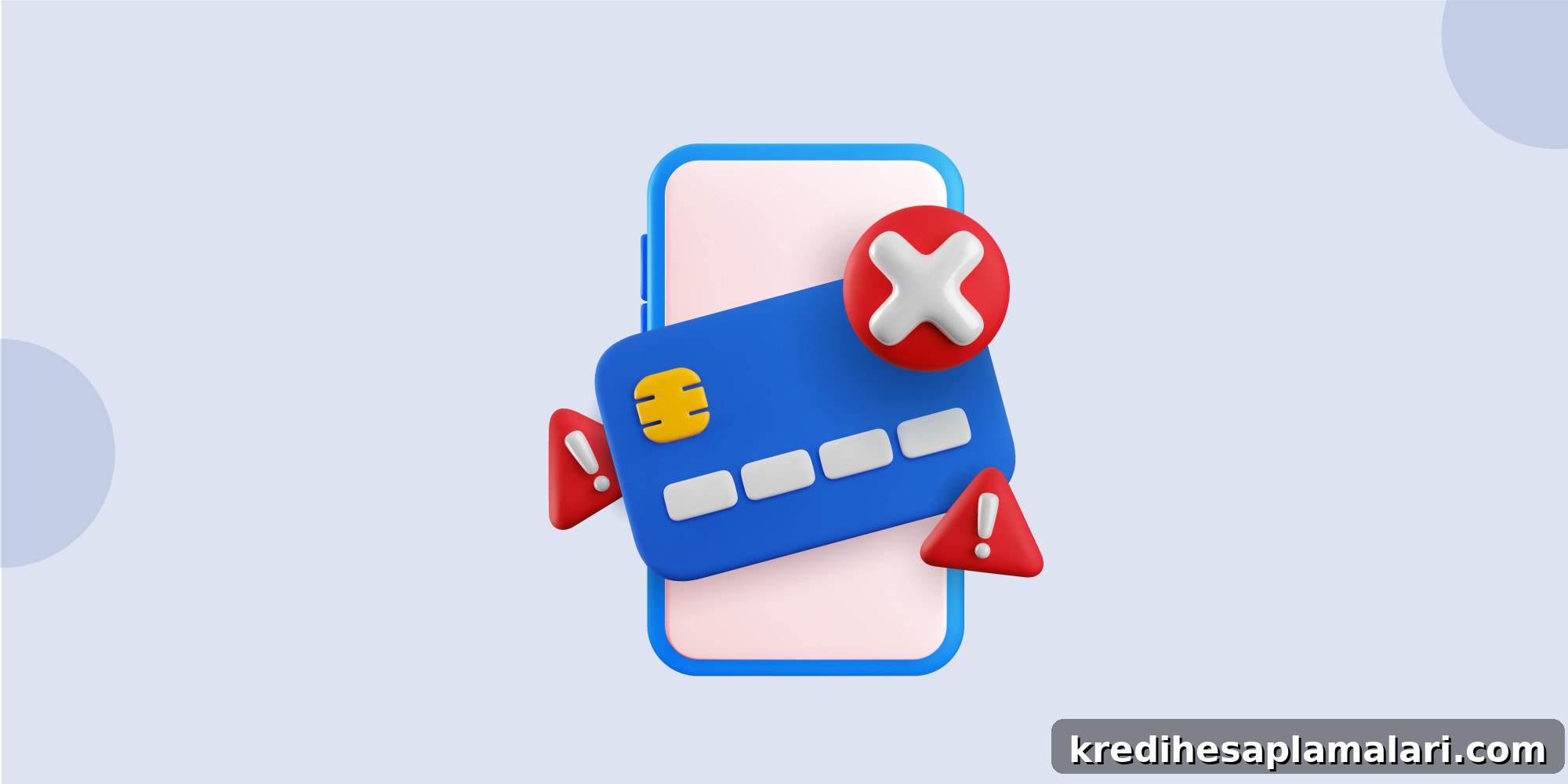
UPI has made digital payments fast and convenient, but errors can still occur. You might accidentally send money to the wrong account, experience a failed debit while funds are taken, or face delays in receiving a refund. The UPI dispute redressal mechanism exists to help users raise complaints, track their status, and get these issues resolved promptly.
Below is a clear guide to how the UPI dispute redressal mechanism works, the role of key institutions, typical causes of disputes, the steps to file a complaint, and expected timelines. Keep this as a reference if your payment gets stuck or goes to the wrong recipient.
Common Reasons for a UPI Wrong Transaction Complaint
Disputes commonly arise from the following situations:
- Entering an incorrect UPI ID while sending money
- Delays in settlement caused by technical or network errors
- Double debits during transactions that ultimately fail
- Lack of refund for failed or pending payments
- Payments getting stuck during peak hours due to server congestion
- Merchants not delivering goods or services despite receiving payment
These issues can affect many users at some point. The UPI dispute redressal framework is designed to address them efficiently and restore funds when applicable.
Role of NPCI in the Dispute Redressal Process
The National Payments Corporation of India (NPCI) operates the UPI platform and maintains its safety and reliability. To manage grievances, NPCI provides an official dispute redressal platform often referred to as ‘UPI Help’. This platform records complaints, tracks their progress, and ensures they are resolved within defined timelines.
NPCI coordinates between banks and payment service providers, allowing complaints to be logged and tracked until closure. It also analyses dispute trends to improve processes and reduce recurring issues. When a complaint cannot be resolved by the involved banks, NPCI intervenes through its grievance mechanism to drive a resolution.
The UPI Dispute Redressal Mechanism
The dispute redressal process follows a tiered approach to ensure accountability and thorough review:
- First level: Raise a complaint with your UPI app or the issuing bank.
- Second level: If unresolved, the issue is forwarded to the bank that manages the receiver’s account for investigation.
- Third level: When both banks are unable to resolve the matter, NPCI steps in using its official grievance platform.
- Final escalation: If NPCI cannot resolve the complaint to your satisfaction, you may approach the RBI Ombudsman under the Digital Transactions Scheme.
This layered structure ensures your concern is reviewed at multiple points, with each level responsible for specific actions and timelines.
Why the UPI Dispute Redressal Mechanism Matters
A formal grievance mechanism protects users and reduces uncertainty. Key benefits include:
- Transparency in how complaints are processed and tracked
- Defined timelines for responses from banks and payment apps
- Accountability for banks, apps, and intermediaries
- Protection for users affected by failed, duplicated, or wrong payments
- Uniform procedures across all UPI apps to ensure fairness
- Greater confidence in digital payments, supporting the transition to a cashless economy
These features make the system fairer and give users clear expectations during the resolution process.
How to File a UPI Wrong Transaction Complaint
Follow these steps to report a transaction that failed, debited your account incorrectly, or was sent to the wrong recipient:
- Open your UPI app and review the transaction status in the ‘History’ or ‘Transactions’ section.
- If the transaction shows as failed but money has been deducted, select the transaction and choose the option to ‘Raise Complaint’.
- Provide accurate details of the transaction, including transaction ID, beneficiary details, date, amount, and any relevant screenshots or evidence, then submit the complaint.
- Your bank will acknowledge and investigate the complaint, typically responding within a few working days.
- If the bank’s response is not satisfactory or the issue remains unresolved, escalate the matter to NPCI through its grievance platform for further adjudication.
Keep screenshots, transaction IDs, and any communication handy, as banks may request these during the investigation. Providing complete information speeds up resolution.
Timelines for Resolution
NPCI and RBI guidelines set expectations for how quickly different issues should be addressed:
- Failed transactions are generally expected to be reversed within T+1 working day (transaction day plus one).
- In many cases, refunds or reversals reflect in accounts within 3 to 5 working days; exact timings can vary by bank.
- Formal complaints are typically required to be resolved within 30 days from the date they are raised.
- If a complaint remains unresolved after the prescribed period, you may escalate the matter to the RBI Ombudsman for Digital Transactions.
- When money is transferred to the wrong recipient and they refuse to return it, legal recourse might be necessary because banks cannot forcibly debit another person’s account without consent.
These timelines create a structured and time-bound process, giving users a clear sense of when to expect action and outcomes.
Encountering a payment error can be stressful. While your dispute is being processed, consider backup options to manage short-term cash flow needs responsibly. If you require temporary funds, assess loan or credit options carefully and use trusted providers.
FAQs
How do I report a wrong transaction?
Report the issue through your UPI app’s transaction history section. Select the affected payment, choose the ‘Raise Complaint’ option, and submit necessary details. If the app or bank does not resolve it, escalate to NPCI and then to the RBI Ombudsman if required.
How can I reverse money sent to a wrong account?
If you sent money to an incorrect UPI ID, immediately raise a complaint via your app and contact your bank. The bank will attempt to recover the funds, but successful reversal often depends on the recipient’s cooperation. That is why verifying the UPI ID before sending money is crucial.
What if my complaint is closed but the issue is not resolved?
If a complaint is closed without a satisfactory resolution, you can reopen it in your UPI app or escalate directly to NPCI. If NPCI’s response does not resolve the matter, you can file a grievance with the RBI Ombudsman for Digital Transactions.