UPI AutoPay for Businesses: Benefits, Features and How It Works
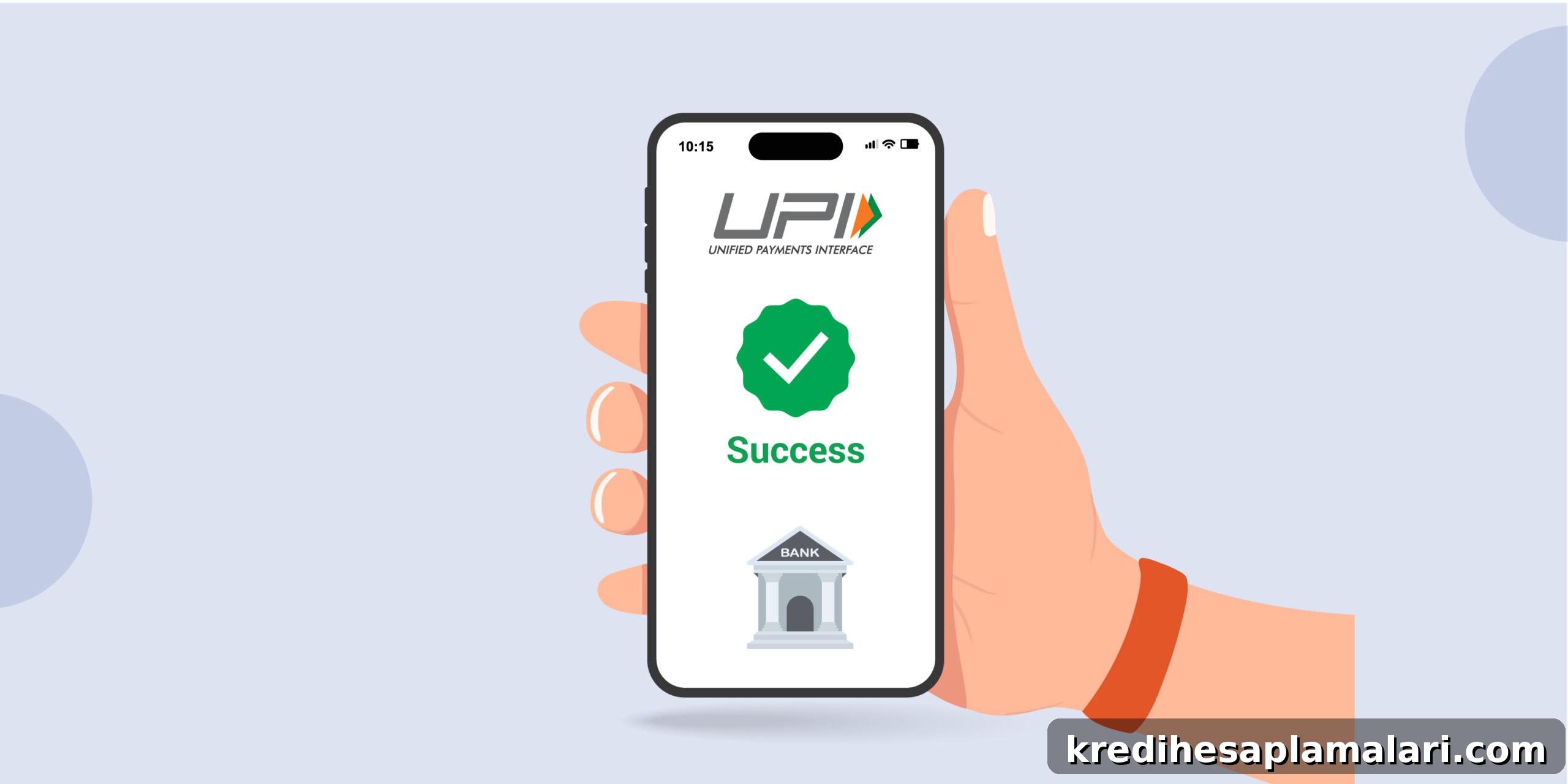
UPI AutoPay is changing how businesses collect recurring payments by enabling automated billing for subscriptions, EMIs and services. It simplifies the payment journey for customers, reduces churn from missed payments and helps companies maintain predictable revenue streams.
What is UPI AutoPay?
UPI AutoPay is an NPCI (National Payments Corporation of India) feature that lets businesses collect recurring payments after a one-time customer authorization or e-mandate. Instead of requiring customers to make manual payments each cycle, businesses can schedule automatic debits—daily, weekly or monthly—based on the agreed terms.
This capability is widely adopted across industries, including:
- OTT platforms like Netflix and Spotify
- Loan EMI collections by fintech lenders
- Insurance premium renewals
- Utility bill payments
India’s UPI ecosystem processes billions of transactions every month, making it one of the largest real-time payment systems globally. Given this scale, UPI AutoPay is rapidly becoming the default choice for recurring collections in India.
How Does UPI AutoPay Work?
Here is the typical flow for an AutoPay mandate:
- Customer Consent (Mandate Setup): The user approves a recurring payment request through UPI apps such as Google Pay, PhonePe or Paytm.
- Mandate Creation: The merchant defines mandate details including amount ranges, frequency and validity period.
- Authentication: The customer confirms the mandate using UPI PIN or OTP.
- Pre-Debit Notification: The user receives an alert before each scheduled deduction to ensure transparency.
- Scheduled Debit Execution: The agreed amount is auto-debited on the due date.
- Instant Settlement: Funds are transferred in real time to the business account, improving cash flow.
- Mandate Management: Customers can pause, modify or cancel mandates anytime through their UPI app.
For example, a SaaS provider can set up monthly billing via UPI AutoPay to avoid failed renewals caused by missed manual payments, improving retention and reducing manual collection work.
Benefits of UPI AutoPay for Businesses
1. Predictable and Recurring Revenue
AutoPay secures regular inflows without the need for repeated collection attempts, which is especially valuable for lenders and subscription services.
2. Higher Payment Success Rates
Automation reduces missed payments and declined transactions, boosting collection rates and lowering churn.
3. Rapid Growth in Adoption
Adoption of UPI AutoPay has grown quickly, with a rising number of active mandates and transaction volumes as users and businesses embrace the convenience and reliability of the system.
4. Improved Customer Experience
Customers no longer need to remember due dates or repeatedly authorize payments, resulting in fewer service interruptions and higher satisfaction—common benefits cited by OTT and subscription platforms.
5. Lower Operational Costs
Automating recurring collections reduces manual effort required for payment reminders, collection calls and failed transaction handling, enabling leaner operations and easier scaling.
6. Instant Settlement and Better Liquidity
UPI’s real-time settlement improves working capital cycles compared with delayed settlement methods, benefiting cash flow management.
7. Flexible Payment Limits
UPI AutoPay supports a range of transaction sizes, making it suitable for many uses:
- Standard limit (for many categories) around ₹15,000
- Higher limits (up to ₹1 lakh) for specific categories such as insurance, SIPs and certain credit products
These limits make AutoPay applicable across multiple business models, from micro-subscriptions to larger recurring commitments.
8. Customer Trust and Control
Users keep full control over mandates: they can pause or cancel at any time and monitor all active mandates centrally via their UPI app or NPCI portals. This transparency builds trust and reduces disputes.
9. Wide Industry Use Cases
UPI AutoPay fits diverse sectors and recurring-payment scenarios:
| Industry | Use Case Example |
|---|---|
| Fintech | EMI collections |
| OTT | Monthly subscriptions |
| Insurance | Premium auto-renewals |
| Edtech | Course installment payments |
| SaaS | Subscription billing |
With strong regulatory support, large-scale adoption and real-time settlement, UPI AutoPay is redefining how recurring payments are handled in India. For businesses that rely on subscriptions or instalment-based models, AutoPay offers automation, higher success rates and an improved customer experience that together make it an essential tool.
FAQs on UPI AutoPay
1. What are the new UPI rules for businesses?
Recent NPCI updates aim to enhance reliability and security. Key changes include controlled API usage to avoid overload, defined time windows for autopay execution, stronger fraud-check mechanisms such as verified beneficiary details, and limits on excessive transaction status queries. These measures help ensure smoother and safer automated collections.
2. How does AutoPay work in UPI?
AutoPay in UPI operates via a one-time mandate approval. After the customer authorizes the mandate, scheduled payments are deducted automatically at agreed intervals. Users receive pre-debit notifications and retain the ability to manage or cancel mandates at any time.