Understanding Prepayment Penalties: What They Mean for Your Loan
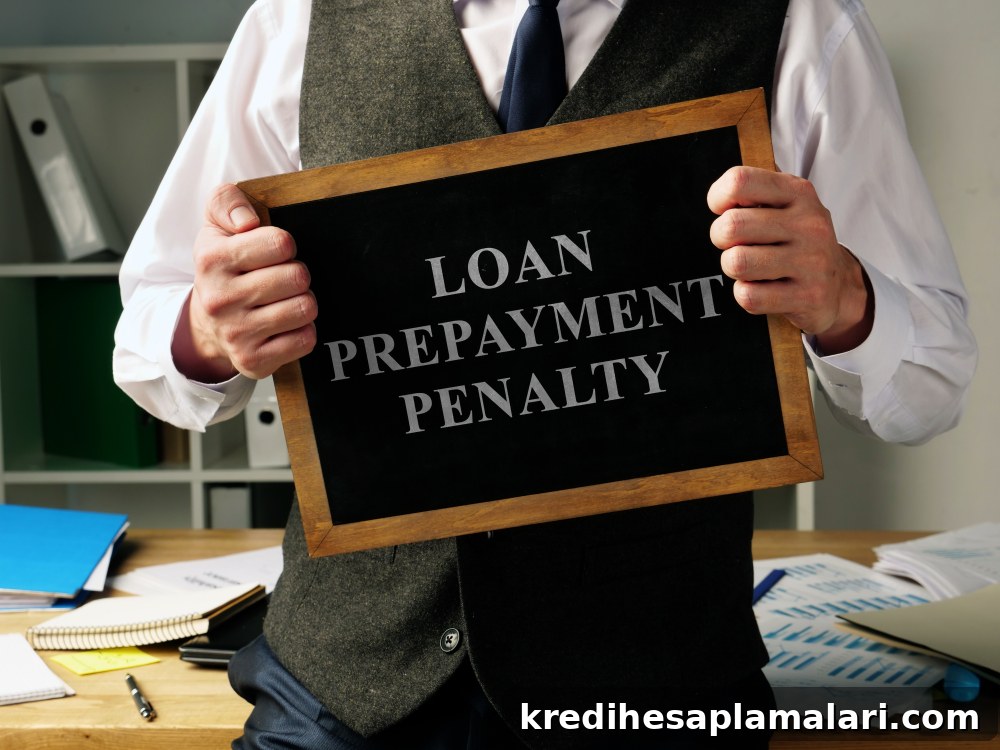
Thinking about repaying your personal loan early? Many borrowers wonder whether paying off a loan ahead of schedule will save money or cost extra. Some lenders do apply a prepayment penalty when you close a loan early—either partially or fully. These charges, often called pre-closure charges for personal loans, can affect the actual savings you achieve.
This article explains prepayment penalties in clear terms: what they are, why lenders impose them, how they work, and when prepaying can still be beneficial. You’ll also find practical tips to evaluate whether early repayment makes financial sense for your situation.
What is a Prepayment Penalty?
A prepayment penalty is a fee a lender may charge if you pay off your personal loan before the agreed term, whether as a full settlement or a partial prepayment. Lenders earn income from the interest built into your EMIs, and early repayment reduces the interest they would have collected. To compensate, some charge a percentage of the outstanding principal, a portion of the remaining interest, or a flat fee.
Why this matters:
- Interest savings: Prepaying reduces the future interest you would otherwise pay.
- Shorter loan term: Early repayment can shrink your loan tenure so you become debt-free sooner.
- Financial flexibility: Clearing debt early frees up cash flow and improves financial planning options.
- Credit profile: Timely EMI payments and responsible prepayment behavior can support a stronger credit profile over time.
- Lock-in periods: Some lenders impose a lock-in period (for example, 6–12 months) during which prepayment is restricted or penalized. Verify this in your agreement before planning a prepayment.
How Does a Prepayment Penalty Work?
Lenders use prepayment penalties to recover income lost from early loan closure. Common methods include:
- Percentage of the outstanding balance: A fee calculated as a fixed percentage of the remaining principal.
- Interest-cost-based calculation: A charge derived from part or all of the interest that would have accrued over the remaining tenure.
- Flat fee: A predetermined fixed amount, regardless of timing or outstanding balance.
Pro tip: Before prepaying, calculate the penalty and compare it to the interest you’ll save. If your interest savings exceed the penalty, prepayment is usually beneficial.
How to Calculate Prepayment Penalties
To make an informed decision, follow these steps:
- Read your loan agreement: Confirm the lender’s specified method for calculating pre-closure charges.
- Use a prepayment calculator: Online calculators help compare the penalty against the interest savings for different prepayment amounts and timings.
- Consider timing: Prepaying after any lock-in period often avoids unnecessary penalties and maximizes savings.
Dos and Don’ts of Prepayment Penalty Clauses
Keep these practical pointers in mind when evaluating prepayment:
| Dos | Don’ts |
|---|---|
| Read your agreement carefully to understand prepayment terms, charges, and lock-in periods. | Don’t prepay without checking the numbers—ensure interest saved exceeds any penalty. |
| Compare lenders and choose those with zero or minimal pre-closure charges when possible. | Don’t refinance or switch loans without calculating total costs, including any exit penalties. |
| Time your prepayment to occur after any lock-in period to avoid charges. | Don’t ignore the fine print—some lenders treat partial prepayments differently from full settlements. |
| Prefer lenders that explicitly offer no prepayment penalties if your goal is maximum flexibility and savings. |
Options with No Prepayment Penalties
Some lenders offer personal loans with zero foreclosure or prepayment charges, allowing borrowers to repay at any time without extra cost. Choosing such lenders makes it simpler to save on interest and shorten your loan duration whenever you have surplus funds, without the need to calculate penalty tradeoffs.
FAQs on Personal Loan Pre-closure Charges
Is it good to close a personal loan early?
Yes—if there are no pre-closure charges, closing a personal loan early generally saves interest and helps you reduce debt faster. Even with a penalty, early closure can be worthwhile if the savings exceed the fee.
Does prepayment affect credit score?
No. Prepayment itself does not harm your credit score. In many cases, timely EMIs and early repayment can strengthen your creditworthiness by demonstrating responsible borrowing behavior.
Will prepayment reduce the interest?
Yes. Prepayment lowers your outstanding principal, which cuts the total interest you will pay over the loan’s life. How much you save depends on timing, outstanding balance, and any applicable penalties.
Use the information above to review your loan agreement, calculate potential savings, and decide whether early repayment is the right move for your finances.