Top Mistakes to Avoid When Buying a Used Car
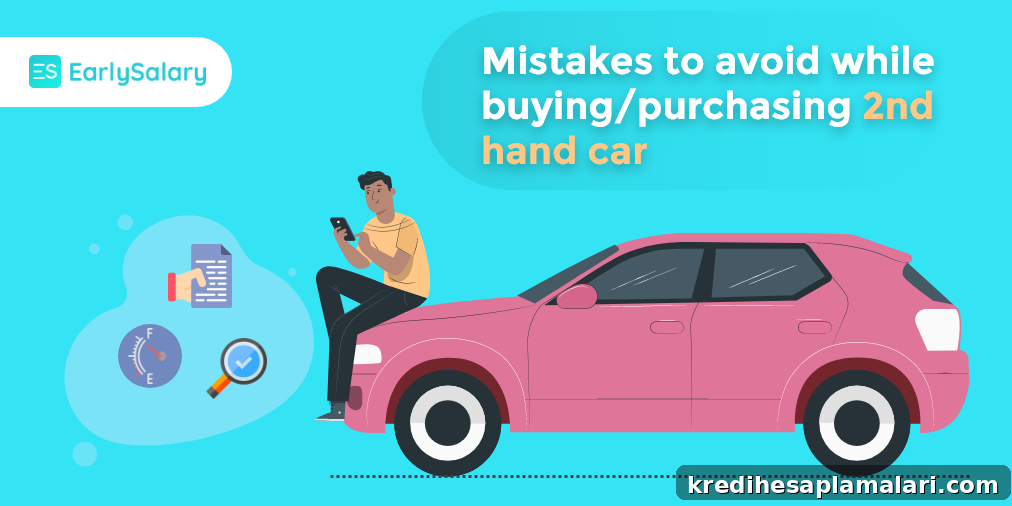
Highlight: Buying your first car is a big step, especially if you’re buying a second-hand vehicle. Below are the documents to verify and the common car-buying mistakes to avoid.
Sales of used cars have surged recently for good reasons. Compared with new cars, pre-owned vehicles often make more financial sense: lower upfront cost, reduced insurance premiums and a wider selection within a tight budget. A well-maintained used car can offer reliable transport without the hefty price tag of a showroom model.
That said, purchasing a second-hand car requires careful research. Even with secure online platforms, the buyer bears responsibility for verifying the vehicle’s condition and paperwork before completing a transaction. Missing a dent, skipping an inspection or ignoring key documents can lead to unexpected repair bills, legal hassles or resale complications.
To reduce the risk of a poor ownership experience, avoid these common mistakes and follow a checklist of essential documents and checks before you buy.
5 Most Common Mistakes Buyers Make When Purchasing Used Cars
Overlooking Fuel Efficiency
Many buyers focus on looks, model or features and forget to confirm real-world fuel efficiency. With rising fuel costs, mileage matters. A car that looks robust but consumes a lot of fuel will become an expensive burden over time. Always check the vehicle’s claimed and proven mileage, and compare it with similar models to avoid unexpected running costs.
Ignoring the Vehicle Inspection Report
Skipping an inspection is a frequent and costly error. Reputable dealers provide a detailed inspection report showing mechanical checks and history. If a dealer cannot supply a clear inspection report, treat that as a red flag. When buying from a private seller, hire a trusted mechanic or take the car to a professional workshop for a thorough check and a test drive. Spending a little on inspection beforehand can save you much larger repair bills later.
Choosing a Known Seller Over a Certified One
Friends and family may offer vehicles, and buying from someone you know can feel safe. However, certified pre-owned sellers often give greater transparency: full vehicle history reports, pre-sale repairs, and sometimes extended warranties. Although certified cars can cost more, they reduce the risk of hidden issues and provide stronger recourse if problems appear after purchase.
Failing to Compare Options
With abundant online listings, you should never skip price and condition comparisons. The same model may appear at different prices depending on age, mileage and service history. Research comparable listings and use available comparison tools to determine a fair price. This helps you spot unusually expensive or suspiciously cheap offers and negotiate effectively.
Not Requesting the Car History Report
A vehicle history report is essential. It records accidents, major repairs, flood or salvage damage, and previous ownership or rental use. It also records odometer readings and service events. Inspecting this report helps you understand the car’s past and identify potential hidden problems before committing to a purchase.
Documents to Check Before Buying a Second-Hand Car
Ownership transfer is only complete when all legal documents move from seller to buyer. Before finalising the purchase, verify and collect these documents:
- Registration Certificate (RC)
- Original purchase invoice
- Car insurance policy and claim history
- Service and maintenance records
- Relevant RTO forms (for transfer and NOC as required)
- No Objection Certificate (NOC) if applicable
- Road tax receipts
- PUC (Pollution Under Control) certificate
Buying Second-Hand Cars: Practical Tips
Prices vary by seller type: certified pre-owned vehicles tend to be pricier, dealers slightly less so, and private sellers often list the lowest prices. Price alone should not drive your decision. Prioritise verified service history, clear documentation, and transparent communication with the seller.
Certified dealers typically offer the most reliable vehicles and help minimise purchase risk through inspections, refurbishment and warranty options. If financing is needed, plan your budget and verify loan terms before committing. Proper checks, comparisons and patience will make buying a used car a safer, smarter experience.
FAQs on Purchasing a Second-Hand Car
What precautions should I take when buying a second-hand car?
Key precautions include:
- Request and review the vehicle history report
- Compare prices and conditions across listings
- Prefer certified sellers when possible
- Arrange a full mechanical inspection
- Take an extended test drive in varied conditions
- Verify and collect all legal documents before payment
Is it wiser to buy a second-hand car or a new car?
There’s no one-size-fits-all answer. For tight budgets and lower depreciation impact, a well-chosen used car is often the better financial decision. New cars offer the latest features, full warranty and zero wear, but cost more and depreciate faster.
Why choose a second-hand car?
Second-hand cars can deliver substantial savings, slower depreciation and access to higher-spec models for the same budget. The key is avoiding common buyer mistakes—confirm the vehicle’s history, condition and paperwork to ensure you get a reliable car without unexpected costs.