The True Philosophy of Wellbeing: What It Really Means
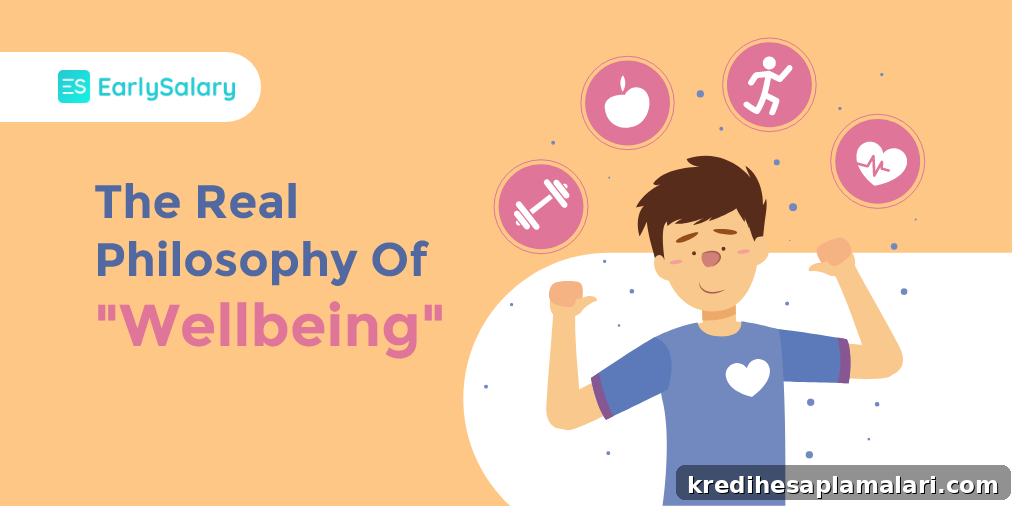
Highlight: Learn why workplace wellbeing matters, how HR can support it, and what the pandemic revealed about its importance.
Treating employees as whole people and genuinely caring for their wellbeing is a central principle of modern HR. The pandemic reinforced that employees are not just resources but individuals whose health, circumstances, and morale directly affect organizational outcomes.
Human resources play a vital role in promoting psychological health by encouraging motivation, engagement, and a supportive culture. HR initiatives that build self-confidence, creativity, autonomy, and initiative help meet organizational needs and improve overall work performance.
HR’s role in motivating and retaining employees
HR serves a strategic function in shaping job satisfaction, improving work-life balance, and strengthening the organizational climate—all of which influence productivity. Effective HR leaders understand that motivation and individual performance are closely linked. While many employees continue working despite conditions like anxiety or depression, some may be unable to perform without support. Thoughtful HR interventions can preserve long-term productivity and wellbeing.
HR should also create opportunities for employees to contribute to conversations about their roles, team activities, or broader organizational issues. When people feel their input is valued, morale and emotional health improve, leading to stronger commitment and better outcomes.
How to foster a positive wellbeing culture
Because employee motivation and wellbeing affect organizational health, customer satisfaction, and financial performance, HR can implement targeted strategies to build a positive culture.
Pleasant working conditions
Providing a safe, comfortable, and clean work environment supports employee wellbeing. Where possible, offering flexible hours or remote work options reduces stress and boosts motivation, especially when aligned with the needs of the role.
Recognize positive attitudes
Acknowledging proactive and solution-focused behaviors reinforces autonomy and engagement. Regular, sincere recognition and constructive feedback show employees that their contributions matter and encourage continued positive attitudes.
Encourage creativity
Creativity drives innovation. HR should promote flexible processes and opportunities that allow employees to explore new ideas without rigid constraints. Practical initiatives—such as short-term cross-team projects or innovation sprints—can increase collaboration, broaden skills, and spark fresh perspectives.
Maintain open, transparent communication channels
HR must be available for honest conversations about concerns, frustrations, and workplace challenges. Listening and addressing these issues early prevents escalation and builds trust across the organization.
Employee wellbeing during the pandemic
The COVID-19 pandemic changed how we work and blurred the line between personal and professional life. With family and colleagues often sharing the same physical space or screens, organizations had to rethink how they support people, teams, clients, and communities in this new reality.
While some organizations already prioritized health and wellbeing, the pandemic made it clear that protecting employees’ physical and mental health is essential to business continuity. During times of uncertainty, a company’s values and purpose guide decision-making, and wellbeing should sit at the center of those decisions. Prioritizing employee health and reducing stress became vital—not just a nice-to-have.
Workplaces that foster trust, transparency, and empathy stand out. A truly inclusive environment supports people from diverse backgrounds and allows them to bring their best to work, home, and community life.
Mental wellbeing at work is evident when employees feel safe to ask questions, seek feedback, report mistakes, or propose ideas without fear of repercussions. A psychologically healthy workplace actively promotes emotional wellbeing and takes practical steps to protect mental health.
Organizations that invest in sustainable wellbeing practices—such as flexible work arrangements, regular check-ins, mental health resources, and clear communication—help employees thrive and contribute to stronger, more resilient businesses.
Creating a culture that values wellbeing is an ongoing effort. HR leaders can drive change by embedding empathy, recognition, and support into everyday practices, ensuring employees feel seen, heard, and empowered to succeed.