Solar Panel Installation Loans: Your Complete Guide to Financing
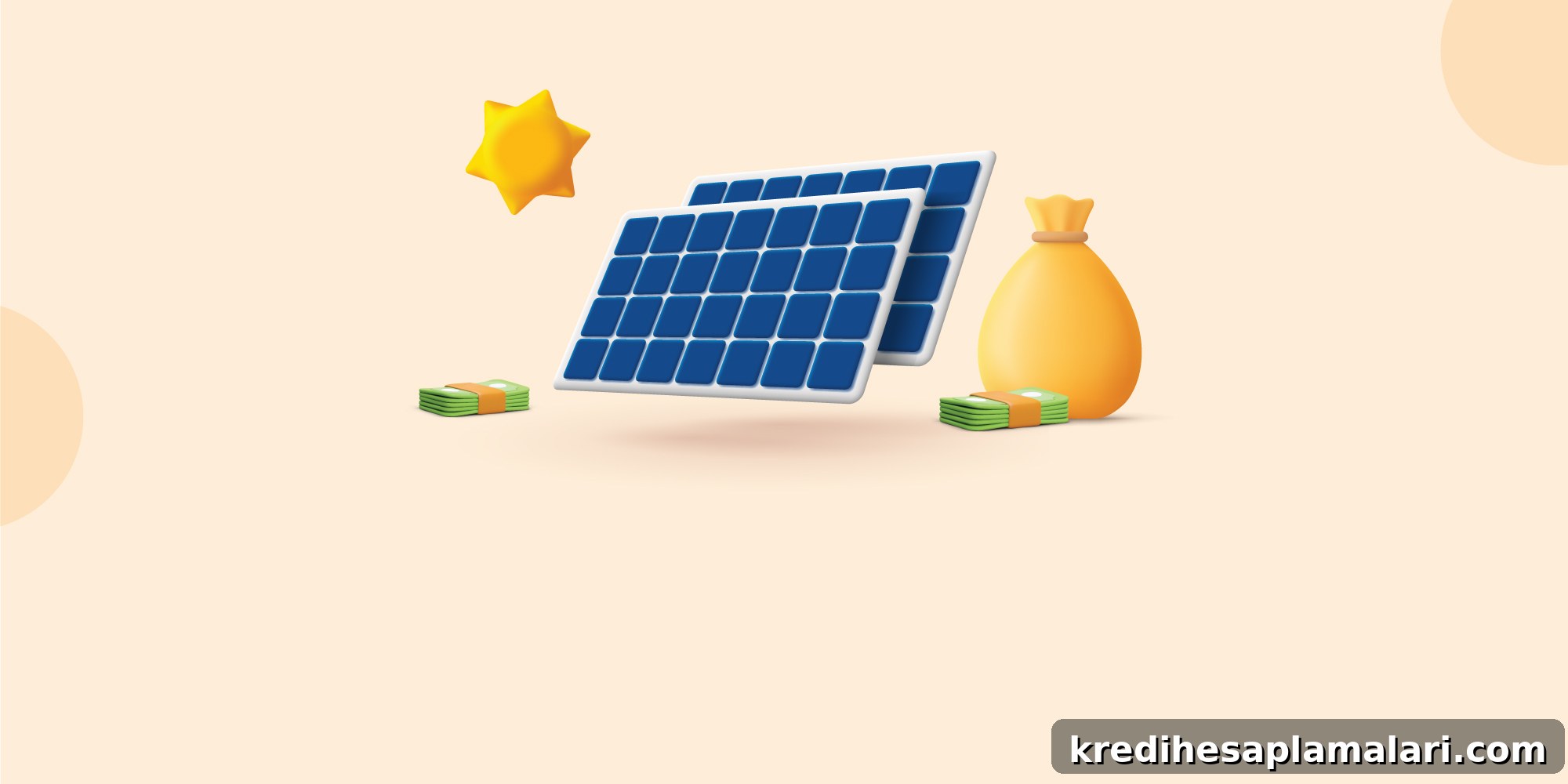
You can finance the installation of solar panels to generate your own electricity and reduce rising energy costs. As utility bills climb, many households find it harder to manage monthly expenses. Installing solar panels can lower electricity bills substantially and provide greater control over energy usage.
Below is a clear guide on how to obtain a solar panel loan, what documentation lenders typically require, and the main benefits of switching to solar power.
How to Get a Loan for Solar Panel Installation?
Follow these steps to secure financing for solar panel installation:
- Step 1: Research different loan types and lenders that offer solar financing, including personal loans, home improvement loans, and dedicated solar loans.
- Step 2: Compare interest rates, fees, tenor options, prepayment penalties, and customer service reputations to find the best fit.
- Step 3: Verify eligibility criteria and required documentation with your chosen lender to ensure a smooth application.
- Step 4: Apply for the loan online or in person at the lender’s branch, following their application process.
- Step 5: Submit the requested documents and respond promptly to any additional information requests to speed up approval and disbursal.
Paperwork Requirements to Get a Loan for Solar Panel Installation
Documentation requirements vary by lender, but most institutions ask for the following items:
- Proof of Identity: Aadhaar card, PAN card, passport, driver’s license, or voter ID.
- Proof of Home Ownership: Property documents, title deed, or other evidence showing you own the property where panels will be installed.
- Proof of Income and Employment: Recent bank statements, salary slips, or income tax returns to demonstrate repayment capacity.
Providing complete and accurate documentation helps speed up loan processing and reduces the chance of delays.
Benefits of Solar Panel Installation
Installing solar panels offers multiple advantages that extend beyond immediate savings on electricity bills.
- Eco-friendly Energy Resource
Solar power is a renewable, sustainable source of energy that reduces dependence on fossil fuels and lowers greenhouse gas emissions. By using solar energy, households contribute to a cleaner environment and help reduce the overall carbon footprint.
- Reduced Electricity Bills
By generating electricity on-site, you can run lights, fans, air conditioners, refrigerators, washing machines, and other appliances with solar energy. This lowers the amount of grid electricity you consume and can significantly reduce monthly utility bills. Over time, the savings on energy costs can offset the initial investment in panels and financing.
- Low Maintenance Expenses
Solar panels require minimal maintenance once installed. Regular cleaning two times a year and occasional inspections are generally sufficient. Since panels have no moving parts, wear and tear is minimal, which helps keep long-term upkeep costs low.
- Increases the Value of Property
Homes with solar installations are often more attractive to buyers because they offer lower ongoing energy costs. Solar panels are perceived as a valuable upgrade—similar to modern kitchen fittings or renovated bathrooms—making properties easier to sell and potentially increasing resale value.
If you prefer more flexible financing, personal loans can be used for solar installations because they typically have no restrictions on end use. Some lenders also offer instant cash loans or streamlined personal loan apps that provide quick disbursal with minimal documentation, helping you start your solar project sooner.
FAQs on Solar Panel Installation Loan
Can I get a loan for solar panels for my house?
Yes. Many financial institutions provide loans specifically for solar installations, and personal loans can also be used since they usually allow unrestricted end use. Compare options to find competitive interest rates and terms.
What documents are required for a solar loan?
Common documents lenders request include:
- Proof of Identity: Aadhaar, PAN, passport, driver’s license, or voter ID.
- Proof of Income and Employment: Bank statements, salary slips, or income tax returns.
- Proof of Home Ownership: Property documents or title deed.
What is the interest rate for solar project loans?
Interest rates vary by lender, loan type, credit profile, and loan tenure. Shop around, compare offers, and consider the total cost of borrowing—including fees and prepayment terms—to find the most affordable option for your situation.
Are financing options available for rooftop solar?
Yes. Many banks, non-bank financial companies, and specialized solar financiers offer loans for rooftop solar systems. These options can cover equipment, installation, and related expenses, making rooftop solar more accessible.
Careful planning, comparing lenders, and preparing the required documents will help you secure financing and enjoy the long-term benefits of solar power.