Solar Panel Area Calculator: How Much Roof Space Do You Need?
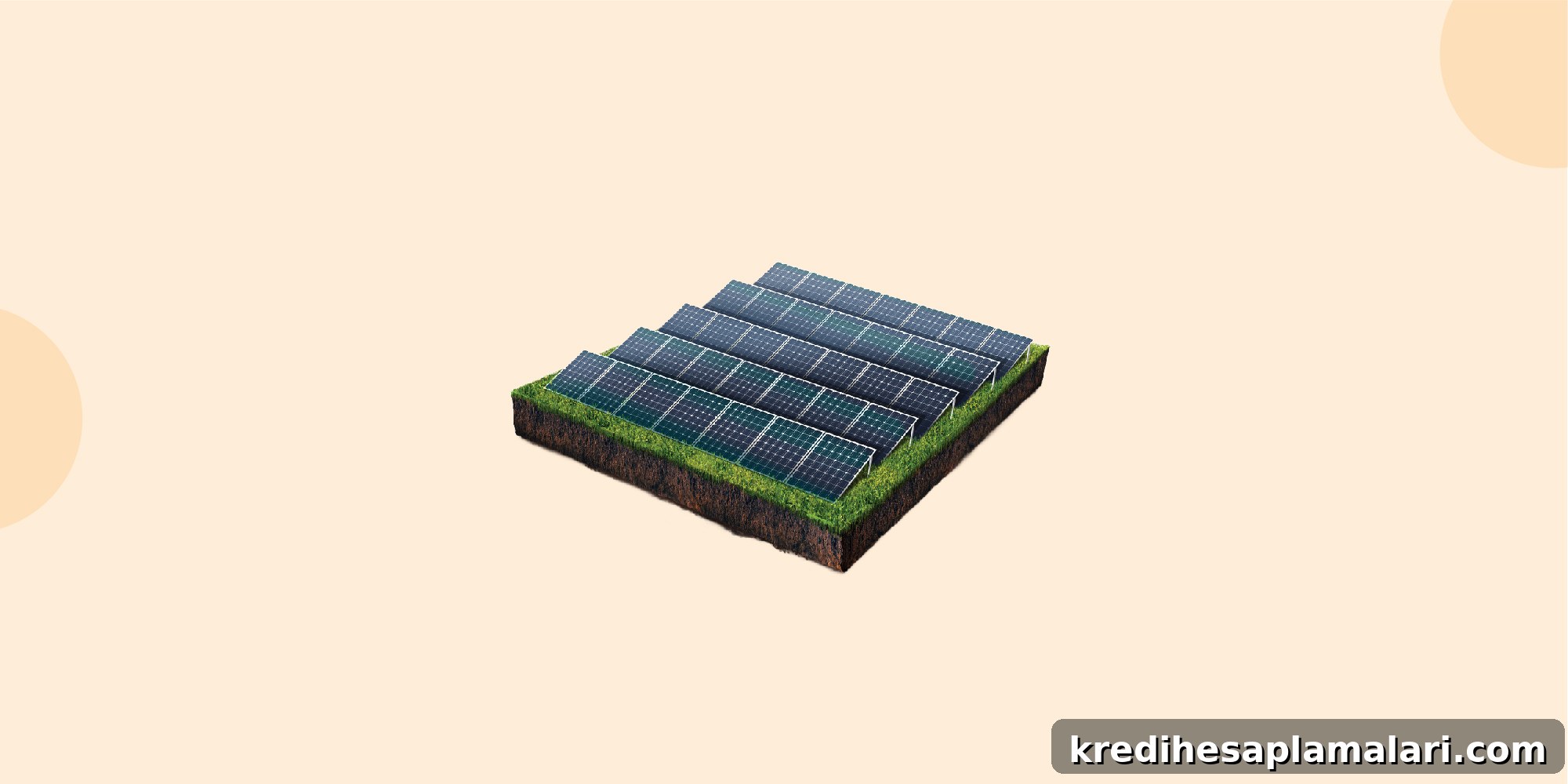
Thinking about installing solar panels but unsure how much space you need? It’s simpler than it sounds. The area required depends on your electricity needs, the size and efficiency of the panels, and how much sunlight your site receives. With a few basic calculations you can estimate the number of panels and the roof or ground area needed to meet your energy goals.
Understanding Solar Power Calculation
Solar power calculation estimates the energy a solar array will generate based on sunlight exposure, panel efficiency and system losses. This estimate is essential for determining how many panels you need and how much unobstructed space to allocate for installation.
Key Factors in Solar Panels Calculation Formula
Several factors influence the area and capacity required for a solar installation:
- Energy Consumption:
Start by identifying how much energy you use, typically shown in kilowatt-hours (kWh) on your electricity bills. This monthly or daily consumption figure is the foundation of the calculation.
- Sunlight Hours:
Average peak sunlight hours per day in your location directly affect how much energy each panel can produce. More sunlight means fewer panels are needed to generate the same amount of power.
- Panel Efficiency:
Panel efficiency indicates how much sunlight a panel converts into usable electricity. Higher-efficiency panels produce more power per square meter, reducing the total area required.
- System Losses:
No system runs at 100% efficiency. Losses from wiring, inverters, temperature, dirt and shading are typically accounted for with a loss factor—commonly between 10% and 20% depending on site conditions.
- Panel Area:
The physical area of panels needed depends on the required power output, available sunlight and panel efficiency. As a rule of thumb, roughly 100 sq. ft. (about 9.3 m²) of clear, unshaded space per 1 kW can be expected for many typical installations, though modern modules and higher efficiencies can reduce that footprint.
- Shadow Effects:
Shading from trees, chimneys or nearby buildings can significantly reduce output. Even small shadows can impact string performance unless optimizers or microinverters are used. Design your layout to avoid shading throughout the day.
Calculation for Solar Panel Area
Below is a straightforward step-by-step example to estimate the number of panels and area required:
- Find Energy Needs:
If your monthly usage is 900 kWh, divide by 30 to get a daily need: 30 kWh/day. - Determine Required Power Output:
Divide daily need by average peak sunlight hours. With 5 peak hours/day: 30 ÷ 5 = 6 kW required.
- Adjust for System Losses:
If you assume 20% losses, divide by 0.8: 6 ÷ 0.8 = 7.5 kW actual system size to install. - Choose Panel Wattage:
If using 300 W (0.3 kW) panels, proceed to calculate quantity. - Find the Number of Panels:
7.5 kW ÷ 0.3 kW per panel = 25 panels. - Calculate Total Area:
If each panel measures about 1.6 m², multiply: 25 × 1.6 m² = 40 m² total panel area.
In this example, you would need 25 panels occupying around 40 m² of clear space. Adjust each step based on your local sunlight data, chosen panel efficiency and the actual panel dimensions you plan to install.
Imagine reducing your electricity bills and powering your home or business with clean energy. Many providers and finance options exist to help make installation affordable, with loan and repayment plans tailored to solar investments.
FAQs on How to Calculate Area for Solar Panel Installation
Is there a solar calculator?
Yes. Several online solar calculators estimate the number of panels and area required by using your local sunlight hours, energy consumption and panel specifications. They provide quick, location-specific estimates that are useful for preliminary planning.
How do you calculate solar requirements?
To calculate solar requirements, determine your average daily electricity use, find local peak sunlight hours, select panel efficiency and wattage, then account for system losses. From those values you can calculate the required system size, number of panels and estimated installation area.