Renew Motor Insurance Online: Step-by-Step Guide
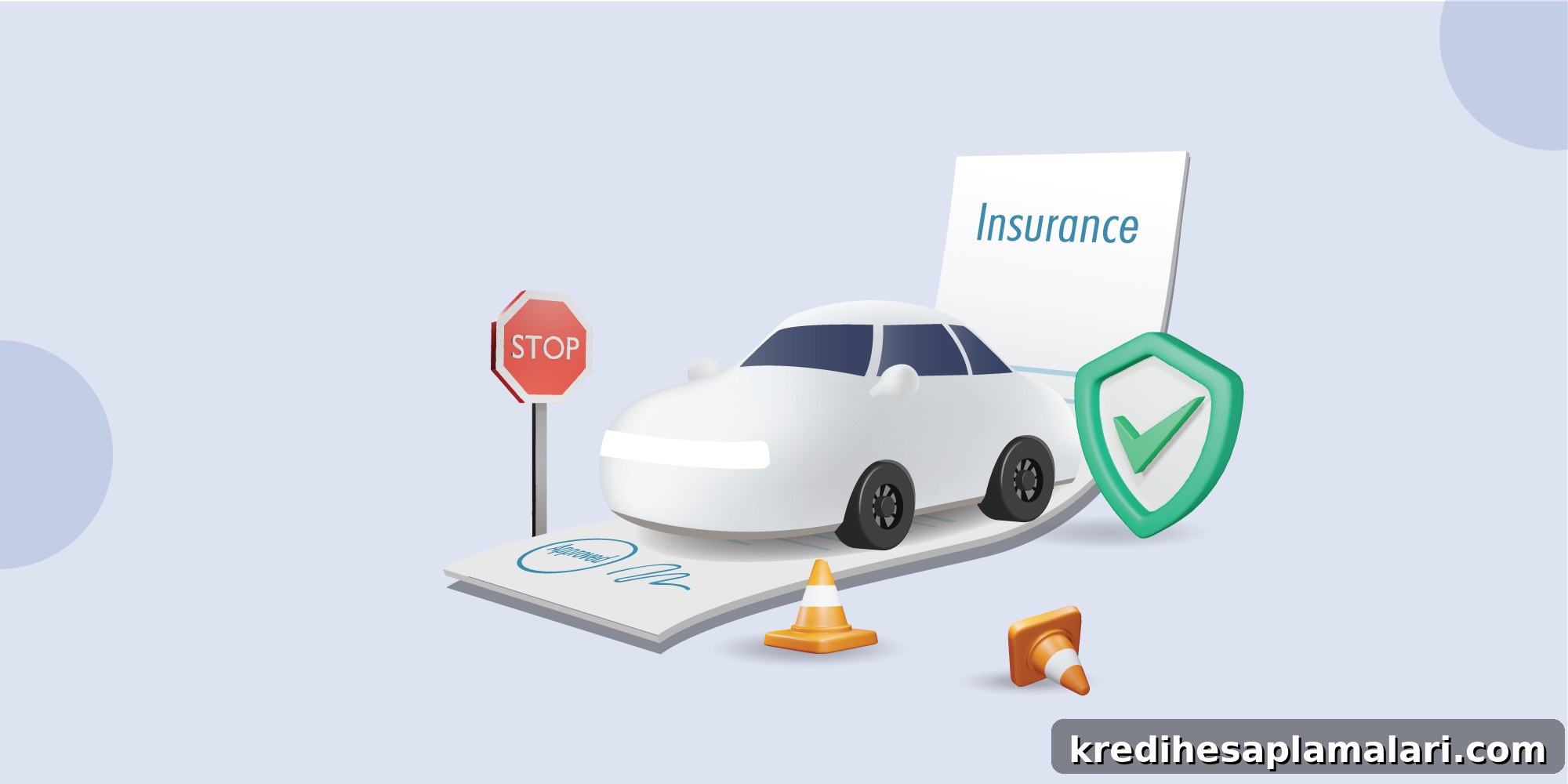
Motor insurance renewal online takes under 10 minutes – if you know what you are doing. This guide walks through every step, from gathering documents to making payment, and explains what to do if your policy has already lapsed.
Renewing motor insurance online is quicker than most people expect. In under 10 minutes you can complete the process, but many vehicle owners either let their policy lapse or pay too much at renewal because they don’t check the key choices that affect claims and payouts. The online checkout is simple; the important part is picking the right IDV, preserving your NCB and choosing appropriate add-ons.
Important legal note: Under the Motor Vehicles Act, 1988, third-party motor insurance is mandatory for all vehicles registered in India. Driving without a valid third-party policy can result in a fine and/or imprisonment according to the Act.
What You Need Before You Start
Before you open an insurer’s site, gather these items. Having them ready avoids interruptions during checkout.
- Your existing policy number or the previous policy document
- Vehicle Registration Certificate (RC)
- Driving licence
- A valid payment method (UPI, net banking, debit or credit card)
Note: If your policy lapsed more than 90 days ago, many insurers now require a quick self-inspection video showing the front and rear, both sides, odometer reading and VIN plate. This is usually uploaded via the app or portal and reviewed the same day.
Step 1: Choose Where to Renew
You can renew in three main ways: directly with your current insurer, via an insurance aggregator to compare multiple quotes, or through a comparison platform that brings several insurers into one place. If you are happy with your current cover and service, renewing directly is fastest. If you want the best price for the same cover, spend a few minutes comparing quotes.
Tip: Premiums for the same IDV can vary by 15–25% between insurers. A short comparison can save a few hundred to a couple of thousand rupees on identical coverage.
Step 2: Enter Your Vehicle Details
Enter your registration number. Most portals auto-populate RC details, expiry date and claims history from official databases. Verify every field—incorrect fuel type or variant details are common causes of claim issues later. This verification takes under a minute.
Step 3: Select Your Coverage
There are two main cover types:
| Cover Type | What It Covers | Best For |
|---|---|---|
| Third-Party Only | Liability for injury or property damage to a third party | Older vehicles with low market value |
| Comprehensive | Third-party liability + own-damage (theft, accident, natural calamity) | Newer or higher-value vehicles |
| Standalone Own-Damage | Own-damage only (requires a separate third-party policy) | Vehicles already covered under a long-term third-party plan |
Comprehensive policies allow add-ons such as zero-depreciation, roadside assistance, engine protection, consumables cover and return-to-invoice. Add-ons increase premium but significantly improve claim outcomes for certain losses.
| Vehicle Type | Approx. Third-Party Premium (annual) | Approx. Comprehensive Premium (annual) |
|---|---|---|
| Petrol car (up to 1000cc) | ₹2,094 | ₹6,000–₹9,000 |
| Petrol car (1000–1500cc) | ₹3,416 | ₹8,000–₹14,000 |
| Two-wheeler (75–150cc) | ₹1,366 | ₹2,500–₹4,500 |
| Two-wheeler (150–350cc) | ₹1,804 | ₹4,000–₹7,000 |
Third-party rates are regulated and identical across insurers; own-damage premiums vary based on IDV, city, vehicle age and selected add-ons. The table figures are indicative for a 3–4 year old vehicle.
Step 4: Review the Insured Declared Value (IDV)
IDV is the maximum cash payout if your vehicle is stolen or written off. It is calculated as the manufacturer’s selling price minus depreciation. Some insurers present a lower IDV to make the premium look cheaper, but that lowers your payout substantially in a total-loss claim. For vehicles up to five years old, follow the standard depreciation schedule and ask the insurer to explain the IDV calculation if it looks low.
Tip: A small premium saving rarely justifies a much lower IDV. Verify market listings or used-car prices if unsure, and request a revision before paying.
Step 5: Check Your No-Claim Bonus (NCB)
No claims in the previous year earn you an NCB discount on the own-damage portion at renewal. NCB follows the policyholder, not the vehicle, and transfers when you change insurers. Always confirm the NCB percentage shown on the quote and, if switching insurers, download the NCB certificate from your current insurer to present to the new one.
| Consecutive Claim-Free Years | NCB Discount |
|---|---|
| 1 year | 20% |
| 2 years | 25% |
| 3 years | 35% |
| 4 years | 45% |
| 5 years or more | 50% |
Step 6: Make the Payment
Confirm the final figures—total premium, IDV, and NCB—then complete the payment using UPI, net banking or card. The insurer usually emails the policy document within minutes of the transaction clearing, and a soft copy is available for download from the portal or app. Save the policy document on your phone; a digital copy is valid proof of insurance at traffic checks.
- Your policy document is typically emailed immediately
- A soft copy is available from the insurer’s portal or app
- Some insurers also send an SMS confirmation with a policy reference number
What to Do If Your Motor Insurance Policy Has Lapsed
A lapsed policy means you are not legally covered to drive. Any damage during the lapse is your responsibility. If the gap is under 90 days, most insurers allow online renewal without inspection and your NCB is usually preserved. If the gap is between 91 days and 3 years, an inspection is required before renewal; many insurers accept a video inspection. If the lapse is over 3 years, the process is treated as a fresh policy issuance with inspections and updated documentation.
| Lapse Duration | Action Required | Can You Renew Online? |
|---|---|---|
| Under 90 days | Standard renewal process; no inspection needed with most insurers | Yes |
| Over 90 days | Vehicle inspection required before renewal can be processed | Partially – initiate online; inspection may be physical or video-based |
| Over 3 years | New policy issuance (not renewal) — fresh RC and inspection required | Yes, but treated as a new policy |
Warning: Payment confirmation alone does not mean cover is active. Wait for the policy document; a payment receipt will not serve as valid proof at a traffic checkpoint or in a claims dispute.
Common Mistakes to Avoid When Renewing Motor Insurance Online
- Leaving renewal too late—start at least a month before expiry. Even a one-day lapse means you are uninsured.
- Skipping comparison—five minutes on an aggregator can reduce your annual bill for the same cover.
- Accepting a low IDV to save a small premium—this can reduce total-loss payouts by lakhs.
- Ignoring add-ons on newer vehicles—zero-depreciation and engine protection can pay off on a claim.
- Not verifying the NCB—an incorrect percentage means overpaying. Cross-check with your last policy document.
Conclusion
Comparing options before you renew is the simplest way to reduce your motor insurance cost while keeping appropriate protection. Use a comparison platform or check multiple insurers, verify IDV and NCB, choose add-ons that make sense for your vehicle’s age and value, and complete the payment only after confirming the final figures. Doing this takes a few extra minutes and can protect you from costly mistakes later.
FAQs On How to Renew Motor Insurance Online
1. Can I renew my motor insurance policy if it has already expired?
Yes. If the lapse is under 90 days, most insurers allow online renewal without inspection. After 90 days, an inspection is typically required; many insurers accept a short self-recorded video instead of a physical visit. Do not drive the vehicle until you have the confirmed policy document.
2. How do I find my existing motor insurance policy number?
Check the original policy document or the renewal email/SMS from your insurer. You can also search official vehicle insurance databases by registration number to retrieve linked policy details.
3. Is it safe to renew motor insurance online?
Yes, when using reputable insurers or regulated aggregators. Verify the website is secure (https) and that the insurer is properly registered. Stick to known platforms to avoid phishing or fraud.
4. Can I switch insurers when renewing motor insurance?
Yes. There is no penalty for switching, and your NCB transfers with you. Obtain an NCB certificate from your current insurer and provide it to the new one to get the discount immediately.
5. Does online motor insurance renewal cost more than going through an agent?
Typically it costs less. Direct portals and aggregators usually do not include agent commission, so the base premium can be lower than an agent-mediated purchase.
6. What documents are needed to renew a lapsed motor insurance policy?
For lapses under 90 days: RC, old policy document or policy number, and a valid payment method. For longer lapses, an inspection (physical or video) and possibly updated ID or address proof may be required.
7. I bought a used bike – how do I check if it has existing insurance?
Use official vehicle registration databases to check insurance status by registration number. This confirms whether the vehicle currently has active cover.
8. My policy portal still shows ‘expired’ after I renewed—what should I do?
Wait a few hours; portals can take time to update. Meanwhile keep the payment confirmation email and the policy document you received as proof. If the portal still shows expired after 24 hours, contact the insurer’s helpline with your payment reference for assistance.