Prevent KYC Fraud: Practical Compliance Tips for Businesses
KYC details act as your digital identity, and with scams and phishing on the rise, completing KYC is only the first step. To keep your personal information secure you must follow a safe KYC process in line with RBI guidelines. These rules are designed to verify identity and prevent misuse of sensitive data.
Below is a clear guide to protecting your KYC information whether you are investing or applying for credit.
Why Safe KYC Matters for Investments and Loans?
When you complete KYC, you provide access to sensitive information such as PAN, Aadhaar, photographs and address proofs. If you skip secure steps or use unofficial platforms, the consequences can include:
- Leakage of personal details
- Loans or accounts opened in your name fraudulently
- Rejection of investment applications or credit requests
- Freezing or restrictions on your financial accounts
Safe KYC is not just paperwork. It’s a protective measure for your identity and financial wellbeing.
Common KYC Risks
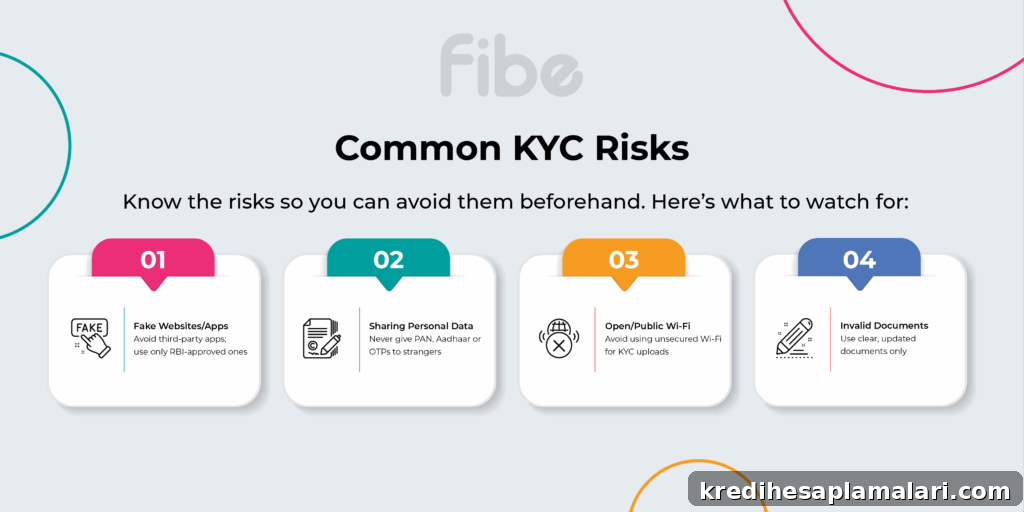
Understanding common risks helps you avoid them. Watch out for:
- Fake websites or apps: Use only trusted platforms such as CAMS, CVL KRA or your bank’s official app. Do not click links from unknown texts or emails.
- Sharing personal data with agents: Never share PAN, Aadhaar or photos over calls or social media unless the agent is verified and the channel is official.
- Unverified third-party apps: Some apps promise quick KYC but could misuse data. Prefer RBI-registered platforms and verified KRAs.
- Incomplete or expired documents: Submitting unclear or outdated documents can cause delays or rejection. Always upload clear, updated copies.
To reduce fraud risk, ensure websites use secure connections, never share OTPs, and verify URLs before submitting information.
What are the RBI KYC Rules?
RBI’s KYC rules apply across banks, NBFCs and other regulated entities to ensure identity verification and prevent fraud. These rules are periodically updated to reflect new risks and technologies.
Key points to note:
- KYC for all accounts: Financial institutions must verify identity and address before opening accounts or disbursing loans.
- Re-KYC requirements: You may need to update KYC when details change or periodically as required by the lender or regulator.
- Video KYC: Video-based KYC with a live agent is permitted under guidelines, subject to secure processes.
- Acceptable identity documents: PAN, Aadhaar, passport and utility bills are commonly accepted for verification.
- Checks on suspicious activity: Unusual transactions or account behaviour can prompt re-verification or additional checks.
Both RBI and SEBI have frameworks to protect customer data and ensure regulated entities follow safe KYC practices.
Best Practices to Ensure a Safe KYC Process
Follow these practical steps to keep your KYC secure:
- Use trusted sites: Always access official portals like CAMS, CVL KRA or your bank’s or lender’s verified app or website.
- Prepare documents beforehand: Keep clear, valid copies of PAN, Aadhaar and address proof ready to avoid delays.
- Avoid public Wi‑Fi: Complete KYC over a private, secure internet connection to reduce interception risk.
- Verify senders: Fraudsters often mimic official messages. Check the sender’s email address or phone number before responding.
- Limit sharing of documents: Share KYC documents only through verified channels; avoid sending sensitive files via unverified WhatsApp chats or emails.
- Choose RBI-registered lenders: For loans, work only with entities approved and regulated by the RBI.
These straightforward precautions significantly lower the chances of KYC-related fraud and make the process smoother.
Benefits of Following a Safe KYC Process
Maintaining secure KYC habits brings clear benefits:
- Reduced risk of fraud and identity theft
- Smoother processing of investments and loan applications
- Protection of personal data in line with regulatory requirements
- Less need to repeatedly submit documents due to verification failures
Whether you are investing in mutual funds or applying for credit, a careful KYC process preserves access and protects your data.
Occasionally unexpected expenses arise. If your KYC is already complete, you can access credit quickly without selling investments. Some lenders offer loans against mutual fund holdings with minimal paperwork and fast disbursal, provided your KYC is up to date.
FAQs on Safe KYC Practices
How can I ensure KYC is completed safely?
Use only official portals like CAMS, CVL KRA or your lender’s verified app. Never share OTPs or sensitive documents over unverified channels. Confirm the web address and security indicators before submitting information.
How do I avoid fake KYC sites?
Check the URL carefully and ensure it uses HTTPS. Avoid links shared via SMS or messaging apps unless they come from verified official accounts. When in doubt, type the known official website address directly into your browser.
What do the latest RBI KYC guidelines require?
RBI requires regulated entities to verify identity using valid documents like PAN or Aadhaar. Digital and video-based verification are permitted with customer consent and appropriate security safeguards. Re-verification is required if details change or an account remains inactive for a specified period.