Personal Loans for Low CIBIL Scores: Quick Approval Options
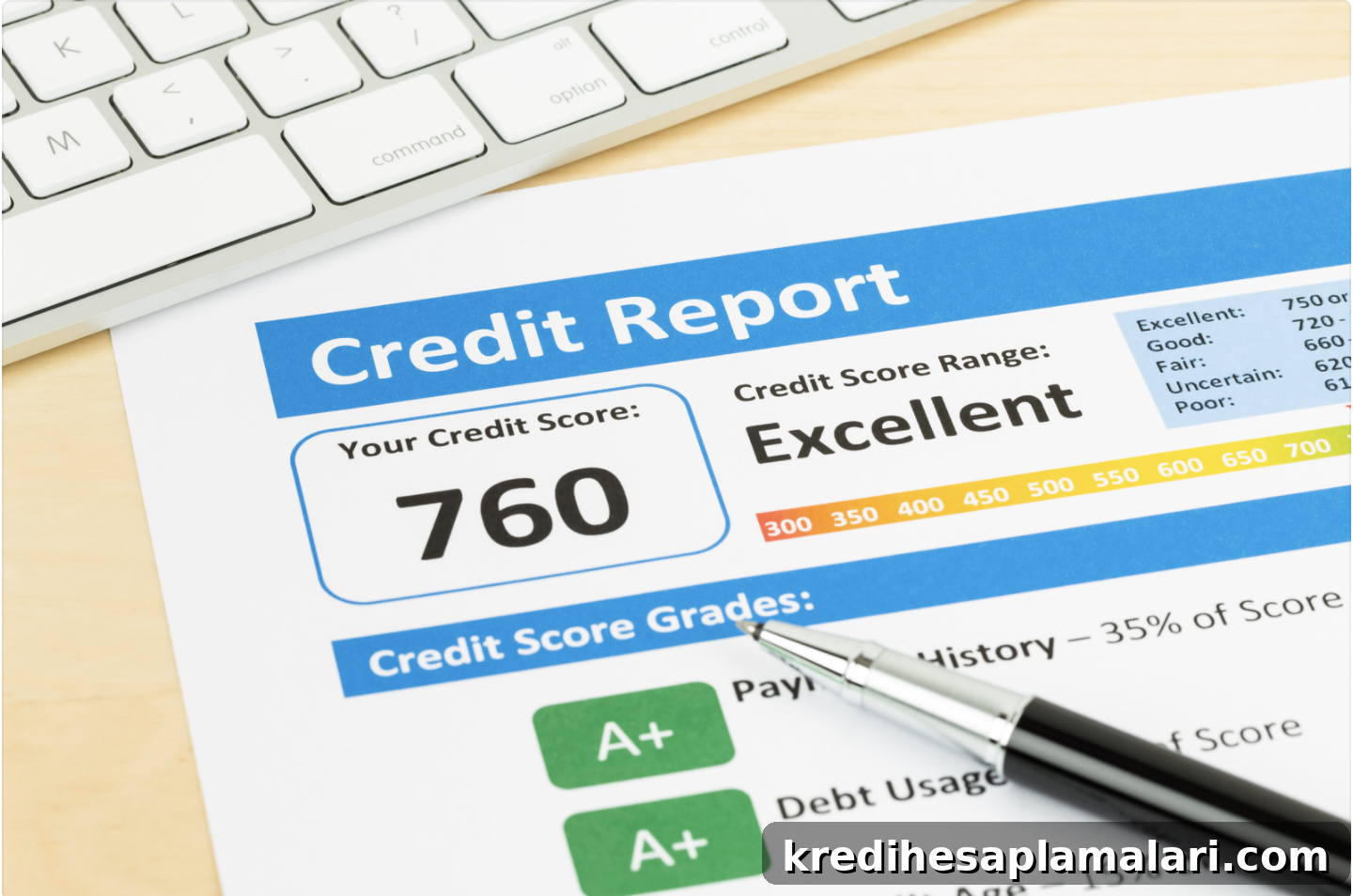
If your CIBIL score is low and you’re worried about securing a personal loan, there’s good news: a low score does not automatically prevent you from getting credit. While your credit score strongly influences lenders’ decisions, it is not the only factor they consider. By demonstrating steady income, responsible financial behavior, and the ability to repay, you can still qualify for a personal loan even with a low CIBIL score.
Personal loans are useful for urgent expenses—weddings, medical emergencies, debt consolidation, or sudden repairs. Because personal loans are generally unsecured, lenders evaluate your repayment capacity carefully before approving the loan. Your CIBIL score is an important indicator of past repayment behavior, but lenders also look at current income, liabilities, and other proof of financial stability.
Know CIBIL Score and Its Impact on Personal Loans
Your CIBIL score summarizes your credit history and repayment habits. Lenders use it to assess the risk of lending to you:
- High Score = Better Approval Chances – A score of 750 and above typically improves approval odds and can lead to lower interest rates.
- Low Score = Higher Perceived Risk – Scores below 650 can make approvals harder and may result in higher interest rates or rejection.
- Middle Range Scores (650–749) – Many lenders still approve loans in this range, though borrowing costs may be somewhat higher.
In short, a strong CIBIL score gives lenders confidence in your ability to repay. A low score means lenders will exercise more caution, but it does not make loan approval impossible.
How to Get a Personal Loan Without Relying Solely on Your Credit Score
If your CIBIL score is low, consider alternative ways to demonstrate repayment ability and improve your chances of approval:
- Provide Proof of Stable Income – Salary slips, bank statements, and income tax returns help show steady cash flow and strengthen your application.
- Apply with a Co-applicant or Guarantor – A co-applicant with a good credit profile can significantly improve approval likelihood.
- Maintain a Healthy Debt-to-Income Ratio – Keep total monthly EMIs within 40–45% of your income so lenders see you can manage repayments comfortably.
- Choose Lenders Using Alternate Credit Assessment – Some lenders and platforms consider alternative data points—employment records, bank transaction patterns, and other indicators—to evaluate creditworthiness beyond the CIBIL score.
- Start with a Smaller Loan – Smaller amounts are easier to approve; timely repayments help rebuild your credit history and unlock larger loans later.
- Avoid Multiple Applications – Each hard inquiry can lower your score slightly and signal desperation to lenders, so apply selectively.
- Consider Secured Loans – If possible, offer collateral such as fixed deposits or gold. Secured loans reduce lender risk and improve approval chances despite a low score.
- Demonstrate Financial Discipline – Keep credit card utilization low, ensure no bounced cheques, and maintain consistent repayment behavior.
Following these steps will increase your eligibility and reduce the chance of repeated rejections while you seek a loan with a low CIBIL score.
Strategies to Improve Your Loan Approval Chances Over Time
While you arrange a loan, take actions that will strengthen your profile and improve future approval odds:
- Pay all EMIs and credit card bills on time to avoid negative marks on your credit report.
- Reduce outstanding credit card balances to keep utilization below 30%.
- Consolidate debt where practical to simplify repayments and lower interest costs.
- Avoid applying for multiple loans or credit cards at the same time to prevent numerous hard inquiries.
- Review your credit report periodically to spot and dispute any errors.
- Adopt a budget and control non-essential spending to build a consistent savings and repayment track record.
Over months, these practices can raise your credit score and make it easier to secure loans at more affordable interest rates.
Why This Type of Lender Can Be a Good Option
Some lenders and platforms use alternate credit scoring models that assess your repayment ability beyond just the traditional credit score. These models consider current income, bank transaction history, and other behavioral data to offer borrowers with limited or imperfect credit histories a fair chance at approval. Such options may provide quick approvals, reasonable documentation requirements, and flexible underwriting that focuses on present repayment capacity.
Depending on the lender, you may be able to get a personal loan for a lower CIBIL score with minimal paperwork and faster processing. If you qualify, these loans can help with urgent needs or debt consolidation while you work on improving your credit profile.
FAQs on Personal Loans with a Low CIBIL Score
How can I get a personal loan from an NBFC with a poor credit score?
Some NBFCs and fintech lenders evaluate alternative data points—such as salary history, bank transaction patterns, and employment stability—to assess creditworthiness. If you meet their eligibility criteria and can prove steady income and repayment capacity, you may qualify for an instant loan even with a poor credit score.
What credit score is ideal for availing a personal loan?
A score of 750 or above is generally considered ideal by most lenders. However, lenders that use broader assessment criteria may approve borrowers with lower scores if other indicators show reliable repayment ability.
- What is considered the lowest score for personal loan approval?
Scores below 600 often make loan approval difficult with traditional banks. Still, alternative lenders or loans backed by collateral can be available to borrowers who can otherwise prove repayment capacity.
Can I improve my CIBIL score?
Yes. Timely repayment of EMIs and credit card bills, reducing outstanding balances, maintaining low credit utilization, and avoiding defaults will gradually raise your credit score. Regularly checking your credit report and correcting inaccuracies also helps speed up improvement.