Personal Loans for Doctors: How to Choose the Right Option

Taking out a personal loan is a significant financial decision. For doctors, a personal loan can provide a lump sum to fund major purchases, investments, or to manage cash flow. Compared with credit cards, personal loans often come with lower interest rates and predictable repayment schedules, but they also increase your debt obligations and require disciplined repayment.
This article outlines the main advantages and drawbacks doctors should consider when evaluating a personal loan for doctor, helping you determine whether this option fits your financial goals and circumstances.
Pros of Personal Loan for Doctor
Flexible Use of Funds
A key benefit of a personal loan for doctor is flexibility. Unlike secured loans tied to a home or vehicle, personal loan proceeds can be used for a variety of purposes: setting up or expanding a medical practice, purchasing instruments and equipment, funding professional education, consolidating high-interest debt, or covering other major personal or professional expenses. This flexibility makes personal loans useful when you need a lump sum without restrictions on how it’s spent.
Potential for Lower Interest Rates
Personal loans typically carry lower interest rates than credit cards and some unsecured credit lines. Rates vary by lender and borrower profile, but doctors with strong credit histories or stable incomes are often able to secure competitive rates. Lower interest costs can make personal loans a cost-effective way to finance large expenses compared with revolving credit.
Predictable Payments
Most personal loans come with fixed terms and monthly payments established at signing. That predictability makes budgeting easier: you know the interest rate, payment amount, and loan term up front. A fixed schedule helps avoid payment surprises and enables you to plan for eventual loan payoff within a defined timeframe.
Cons of Personal Loan for Doctor
Added Debt Burden and Obligation
Taking a personal loan increases your debt load and creates a long-term repayment obligation. Missing or late payments can harm your credit history and raise future borrowing costs. Doctors who already carry significant loans or who face variable income should weigh the additional cash-flow demands carefully before taking on more debt.
Loan Approval May Require Strong Credit
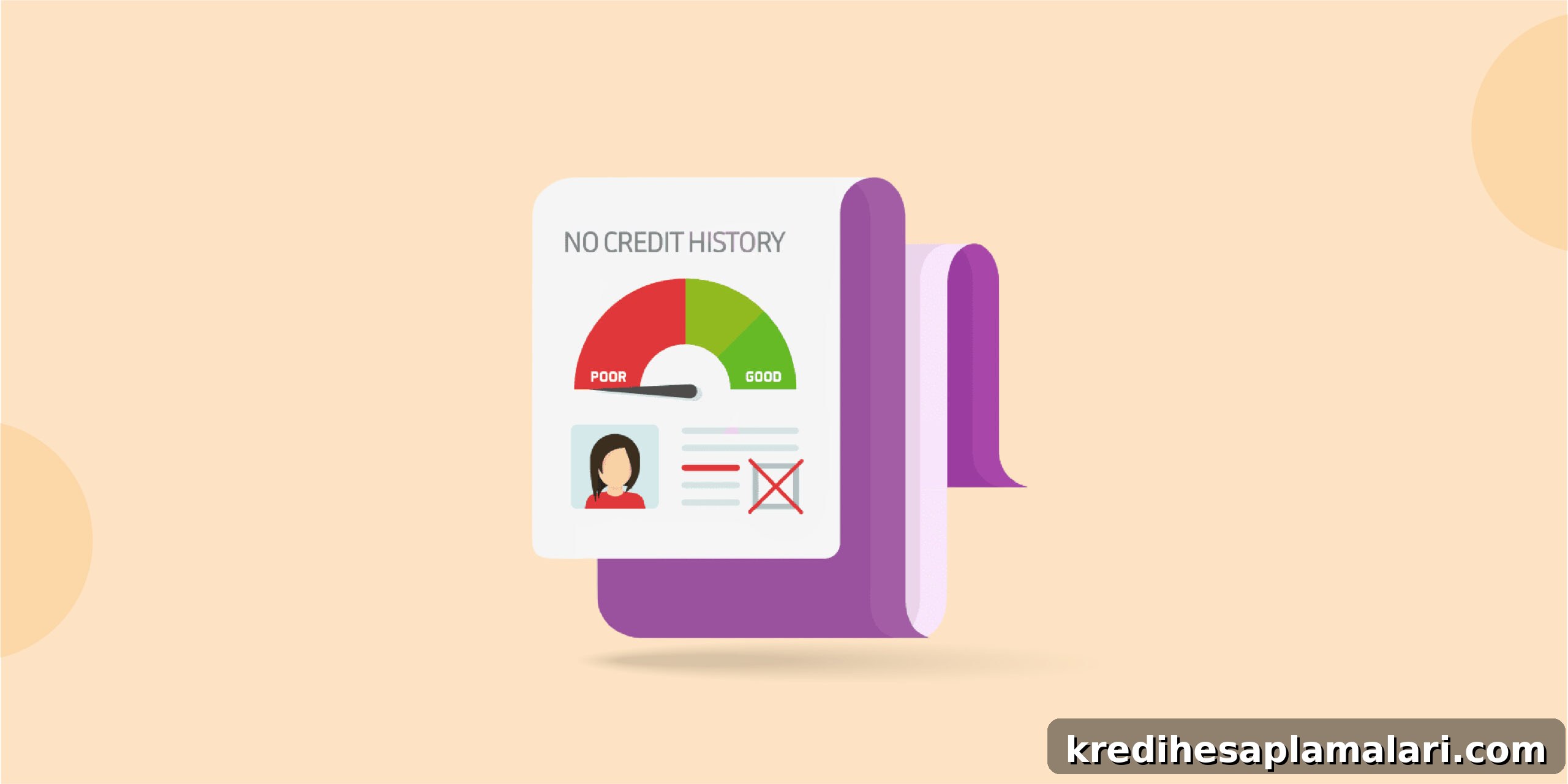
Favourable loan terms are typically available to borrowers with strong credit and stable finances. Doctors early in their careers, those with limited credit history, or those with high existing liabilities may face higher rates or stricter approval requirements. Checking your credit profile and addressing weaknesses beforehand improves your chances of securing better terms.
Note: Some lenders evaluate applicants holistically beyond the credit score alone, considering income stability, profession, and other factors. This can help doctors early in their careers access financing even with a limited credit history.
When Does a Personal Loan Make Sense for Doctors?
Personal loans can be appropriate in several situations for medical professionals, including:
- Funding a New Medical Practice: Cover startup costs such as equipment, staffing, and marketing while preserving working capital.
- Debt Consolidation: Combine multiple high-interest debts into a single loan with a lower interest rate and simpler payments.
- Major Life Events: Finance significant personal expenses like further education, weddings, or family needs without tapping emergency savings.
Should You Take Out a Personal Loan? The Doctor’s Checklist
Approach borrowing as an informed professional. A personal loan can be a powerful tool when used strategically. Consider the following before applying:
- Is the expense a priority now, and do you have a plan to manage monthly payments within your budget?
- Have you compared lenders and negotiated for the best possible rate and terms based on your financial profile?
- Will taking the loan improve your financial position (for example, by enabling revenue-generating investments) or simply add unnecessary debt?
- Do you have an emergency fund or contingency plan in case income fluctuates?
Being deliberate and informed helps you use loans to support career goals and personal priorities while minimizing downside risk. Responsible borrowing—choosing the right amount, rate, and term—lets you leverage financing without compromising future stability.
Conclusion
A personal loan for doctor can supply the funds you need for major expenses or strategic investments, but it also increases your repayment obligations. Weighing the pros and cons in light of your career stage, cash flow, and long-term goals will help you decide whether a personal loan is appropriate.
Some lenders tailor products for medical professionals and consider factors beyond credit scores when assessing applications. If you choose to proceed, compare offers, verify eligibility criteria, and ensure the repayment plan fits your budget.
FAQs
Can a doctor get a personal loan?
Yes. Doctors are generally viewed favourably by lenders due to steady income and stable careers. Many lenders offer personal loans to medical professionals, often with competitive limits and rates depending on creditworthiness.
What interest rates can doctors expect for personal loans?
Interest rates vary by lender and borrower profile. In general, unsecured personal loan rates typically range from the low double digits to higher, depending on credit score, income, and other factors. Doctors with strong credit histories and stable incomes often qualify for more attractive rates than average borrowers.
How do I choose the best loan provider?
Compare lenders on interest rates, fees, repayment terms, processing times, and customer service. Look for transparent fee structures, flexible repayment options, and approval requirements that match your profile. Pre-qualifying offers and reading loan disclosures help you make an informed choice.
What credit score is typically required?
Many lenders prefer a minimum credit score in the mid-600s to qualify for standard personal loan offers, though requirements vary. Maintaining good credit through timely payments and manageable debt levels will improve your chances of securing favourable terms.