Personal Loan vs Education Loan: Which Is Right for You?
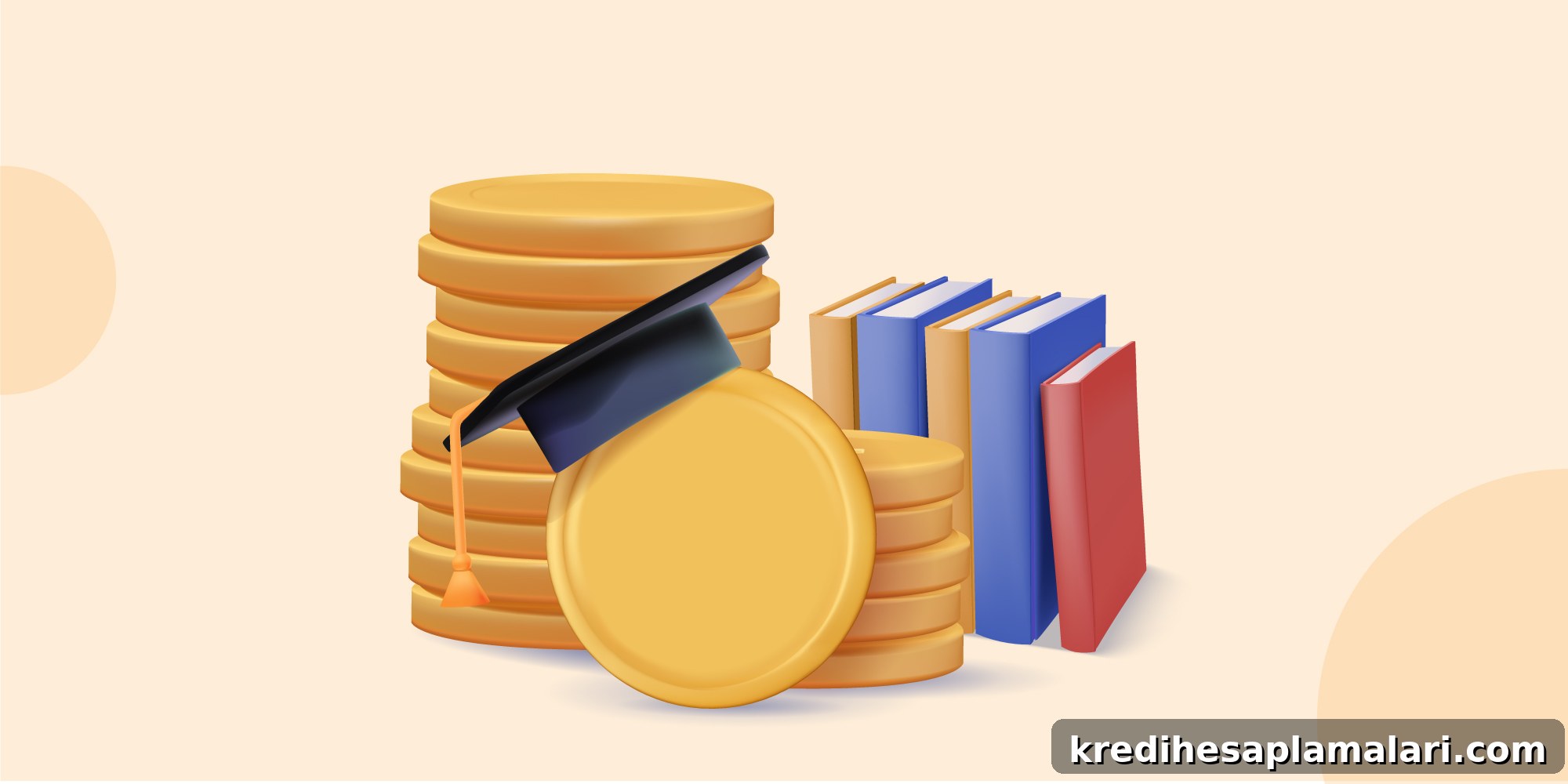
If you’re a student or a parent, you have likely noticed how education costs keep rising. Two common ways to cover these expenses are education loans and personal loans. Both can help, but understanding the differences between a personal loan vs an education loan will help you pick the best option for your needs and budget.
Key factors to consider when choosing between the two include:
- Loan amount
- Repayment tenure
- Need for a guarantor or co-signer
- Moratorium or grace period
- Requirement for collateral
Below is a clear overview of each loan type, their benefits, and how they differ so you can decide with confidence.
Introduction to Personal and Education Loans
Personal loans are widely popular because they are flexible and generally have no restrictions on how the funds may be used. Common uses include:
- Paying tuition and other education expenses
- Settling utility or credit card bills
- Making a down payment on a vehicle
- Home improvement and renovations
- Funding travel or other personal needs
An education loan is specifically designed to cover education-related costs. These loans can finance studies in India or abroad, and funds are typically used for:
- Tuition and course fees
- Books and study materials
- Accommodation and hostel fees
- Meals and living expenses while studying
Personal Loan vs Education Loan
Both loan types are useful, but they differ in structure and features. The following table summarizes the main distinctions:
| Basis of Difference | Education Loan | Personal Loan |
|---|---|---|
| Utilisation of Funds | Funds are intended specifically for education-related expenses. | No restrictions on end use; can be used for education or any other purpose. |
| Rate of Interest | Often offered at competitive rates tailored for students, depending on the lender and scheme. | Rates may be competitive and vary by lender; pricing depends on applicant profile and product. |
| Repayment Duration | Typically allows longer repayment tenures aligned to student needs. | Available in a variety of tenures from short-term to multi-year options. |
| Tax Exemptions | Interest paid on education loans may be eligible for tax deduction under applicable provisions. | Personal loans generally do not offer tax deductions for interest paid. |
| Moratorium Period | Often includes a moratorium or grace period so repayments can begin after completion of studies or after a defined period. | Repayment usually starts according to the loan schedule, often from the month after disbursement. |
| Guarantor and Collateral | Students may need a guarantor or collateral depending on loan amount and lender policies. | Many personal loans are unsecured, so no collateral is required, though eligibility criteria such as credit score and income are strict. |
Benefits of Personal and Education Loans
To decide which option suits you best, examine the benefits each loan type offers.
Advantages of personal loans include:
- Flexible use of funds for any purpose, including education.
- Fast processing and quick disbursal, helpful when funds are needed urgently.
- Relatively simple eligibility criteria and minimal documentation for many lenders.
- Multiple repayment plans let you choose a schedule that matches your cash flow.
- Often unsecured, so you typically do not need to pledge property or other valuable assets.
Benefits commonly associated with education loans include:
- Designed specifically for students, these loans can offer terms tailored to the academic timeline.
- Tenures are usually longer, reducing monthly instalments and easing repayment pressure.
- Interest paid on education loans can often be claimed for tax benefits under applicable laws.
- Many education loans provide a grace period or moratorium so you can focus on studies and find employment before repayments begin.
- They cover a wide range of education-related expenses, including tuition, accommodation, and study materials.
When choosing between a personal loan and an education loan, consider your financial situation, income stability, and specific loan requirements. Evaluate interest rates, repayment flexibility, the need for a guarantor, and any tax implications before applying.
If you prefer the flexibility of a personal loan, some lenders offer instant personal loans with competitive monthly rates and no pre-closure charges, allowing quick access to funds. Compare products and choose a lender whose terms align with your repayment ability and financial goals.
FAQs on Personal Loan Vs Education Loan
Can I use a personal loan for education?
Yes. Personal loans typically have no restrictions on end use, so they can be used to cover education expenses.
What is the best way to get an education loan?
Compare eligibility criteria, interest rates, moratorium options, and documentation requirements across lenders. Apply to the lender that best matches your profile to improve approval chances and secure favourable terms.
Is taking an education loan risky?
Education loans are generally safe when you borrow responsibly. Review lender terms, interest rates, and repayment obligations before committing to ensure the loan fits your long-term financial plan.
Why might someone prefer a personal loan over an education loan?
Many borrowers choose personal loans for their speed of processing and flexibility in fund usage. If you need quick access to funds and prefer no restrictions on use, a personal loan may be a suitable choice.